














A Comprehensive Comparison of Pad Printing and Laser Marking
Industrial marking is a foundational requirement in modern manufacturing. Every product that leaves a production facility — whether a medical implant, an automotive component, a consumer electronic device, or a simple promotional item — carries some form of identification, branding, compliance mark, or traceability code. The method by which that mark is applied determines not only its visual quality but also its durability, cost, regulatory acceptability, and compatibility with the materials and geometries of the product itself.
Among the many industrial marking technologies available today, pad printing and laser marking stand out as two of the most widely deployed and practically significant. Both are capable of producing high-resolution marks across a broad range of materials. Both are used in demanding industrial environments where consistency, throughput, and mark permanence are non-negotiable. And both have been refined over decades of commercial application into mature, reliable technologies with well-understood performance characteristics.
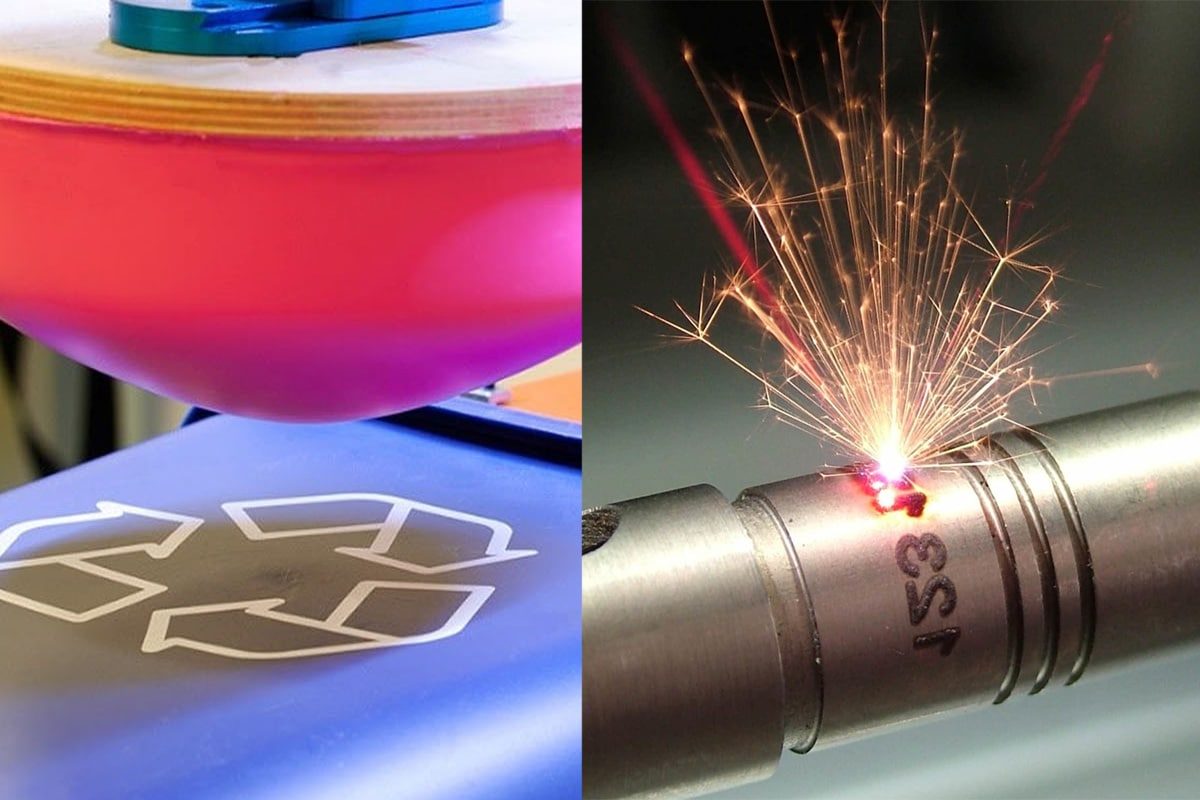
Yet despite these surface-level similarities, pad printing and laser marking are fundamentally different processes. Pad printing transfers ink from an etched plate through a silicone pad onto a substrate — a contact-based, consumable-dependent process that excels at decorating complex three-dimensional surfaces with multiple colors. Laser marking uses a focused beam from a laser generator to alter or ablate the surface of a material directly — a contactless, consumable-free process that excels at producing permanent, machine-readable codes on precision components at high speed.
The choice between these two technologies has real and lasting consequences for production economics, product quality, regulatory compliance, and operational complexity. A poorly matched marking technology adds cost, introduces quality risk, and can create compliance problems that are expensive to resolve after the fact. A well-matched technology becomes a transparent, reliable part of the production workflow that adds value without friction.
This article provides a structured, technically grounded comparison of pad printing and laser marking across every dimension that matters in industrial marking decisions — from mark quality and material compatibility to equipment investment, operating cost, environmental impact, and integration capability. The goal is to give manufacturers, process engineers, and procurement decision-makers the factual foundation needed to evaluate these two technologies clearly and select the approach that best serves their specific application requirements.
Table of Contents
What Is Laser Marking?
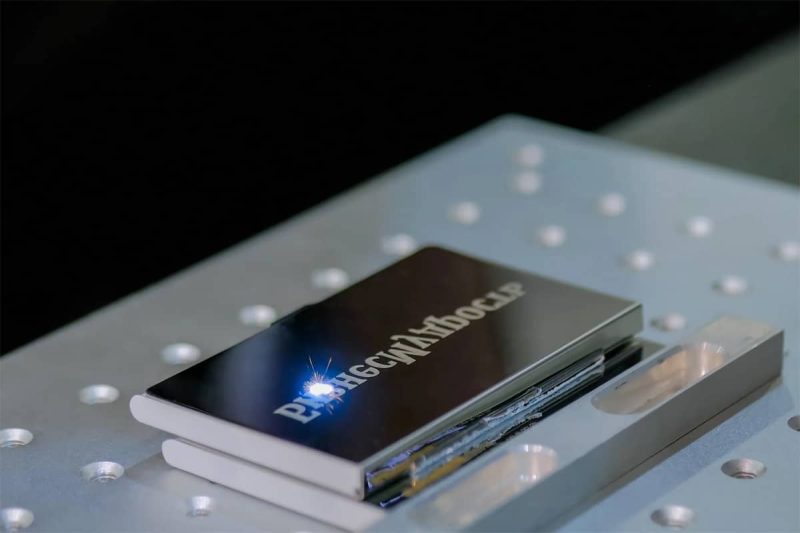
Laser marking is a non-contact marking process in which a focused beam produced by a laser generator modifies the surface of a material to create a permanent, visible mark. Unlike processes that deposit material onto a surface — such as inkjet printing or pad printing — laser marking works by interacting directly with the substrate at the molecular or microstructural level, producing changes in color, reflectivity, or surface texture without the application of inks, dyes, or other consumable substances. The result is a mark that is chemically integral to the substrate and inherently permanent.
How Laser Marking Works
In laser marking, the laser generator produces a focused beam of coherent light that is directed across the workpiece surface by a high-speed galvanometer mirror system or a moving gantry. The beam delivers concentrated energy to each point it touches, triggering one of several surface-modification mechanisms depending on the material composition and the laser parameters used.
Annealing occurs when the laser heats a metal surface in a controlled manner, producing a localized sub-surface oxidation reaction that changes the color of the metal without roughening or removing material from the surface. The resulting mark is smooth, flush with the surrounding area, and highly resistant to corrosion and mechanical wear — making annealing the preferred marking mechanism for medical devices, food-contact components, and precision instruments where surface integrity must be preserved.
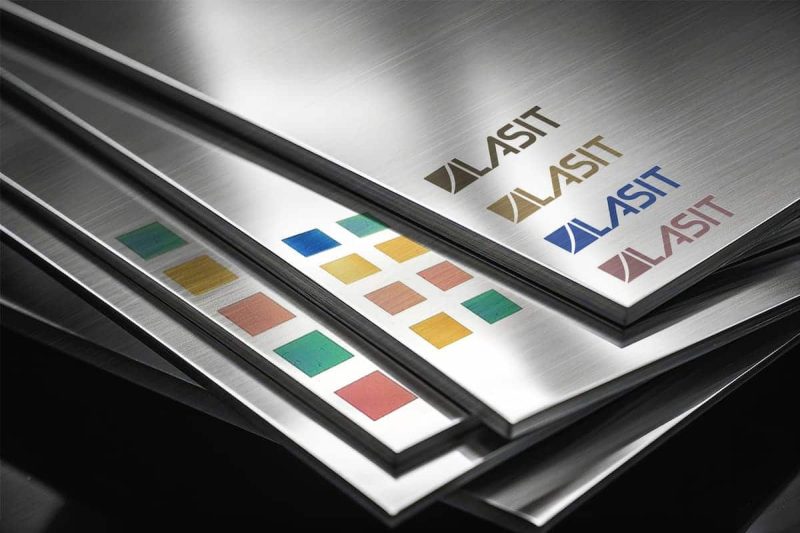
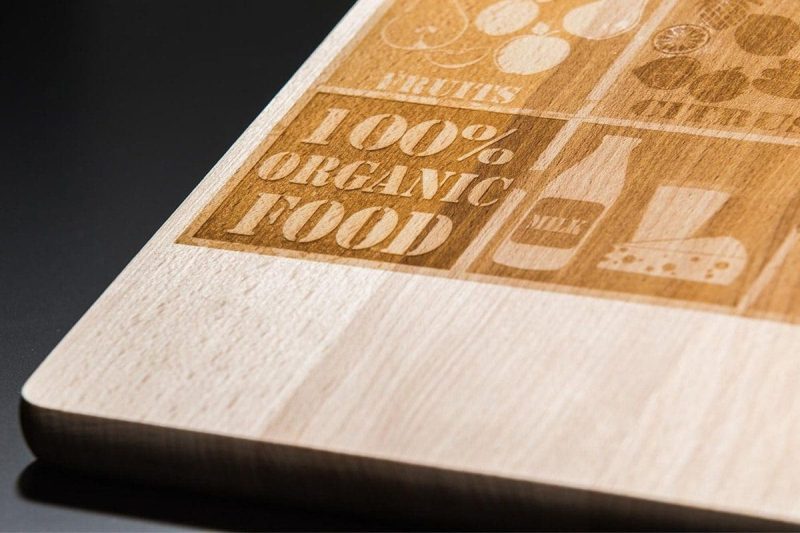
Carbonization occurs when the laser heats an organic material — plastic, leather, coated surface — to a temperature at which the surface layer chars, producing a dark, high-contrast mark. Foaming occurs on certain dark plastics when the laser causes surface melting and gas bubble formation, creating a bright, raised mark with high reflective contrast. Color change marking on certain metals — particularly titanium and stainless steel — uses controlled oxidation to produce marks in a range of colors by varying the oxide film thickness through precise laser parameter control.
Types of Laser Marking Machines
The three principal laser generator technologies used in industrial laser marking are fiber, CO2, and ultraviolet (UV).
Fiber laser generators operate at a wavelength of approximately 1,064 nanometers and are the dominant platform for industrial metal marking. They deliver high peak power in short pulses, couple energy efficiently into metallic substrates, and produce fine spot sizes that enable high-resolution marking of barcodes, data matrix codes, serial numbers, and logos on steel, stainless steel, aluminum, titanium, and copper alloys. Fiber laser marking systems are fast, compact, low-maintenance, and well-suited to automated production line integration.
CO2 laser generators operate at approximately 10,600 nanometers and are well-suited to marking organic and polymeric materials — wood, acrylic, glass, ceramics, leather, rubber, and most plastics — through carbonization, foaming, and surface ablation mechanisms. They are less efficient for direct metal marking but excel in applications involving non-metallic substrates across a wide range of industries, including packaging, signage, electronics, and consumer goods.
UV laser generators operate at approximately 355 nanometers and deliver very short wavelength energy that is absorbed by a broad range of materials with minimal thermal impact on the surrounding area. This cold processing characteristic makes UV laser generators the preferred choice for marking heat-sensitive materials — thin films, flexible electronics, pharmaceutical packaging, and fine plastics — where the thermal side effects of fiber or CO2 processing would cause damage or distortion.
Common Applications and Industries
Industrial traceability is the largest single application domain for laser marking. Automotive manufacturers apply unique identifiers, assembly codes, and regulatory compliance marks to engine components, transmission housings, fasteners, and safety-critical assemblies using fiber laser marking systems integrated directly into production lines. Aerospace manufacturers mark structural components, fasteners, and tooling with serial numbers and inspection stamps that must remain legible throughout the operational life of the aircraft. Medical device manufacturers apply unique device identification codes to surgical instruments, implants, and diagnostic equipment using annealing laser marking techniques that preserve material surface integrity and corrosion resistance.
Electronics manufacturing uses laser marking extensively for board-level identification, component marking, and consumer product branding on housings and panels. Packaging manufacturers use CO2 laser marking for date coding, batch number application, and tamper-evident marking on food, pharmaceutical, and beverage packaging. Jewelry manufacturers use laser marking to apply hallmarks, inscriptions, and decorative surface effects to precious metal pieces.
Laser marking is a non-contact, consumable-free marking technology that uses focused energy from a laser generator to permanently modify a material surface through annealing, carbonization, foaming, or color change mechanisms. Available in fiber, CO2, and UV laser generator configurations suited to different material categories, laser marking serves a broad range of industries where permanent, high-resolution, machine-readable marks are required on precision components and products at production speed.
What Is Pad Printing?
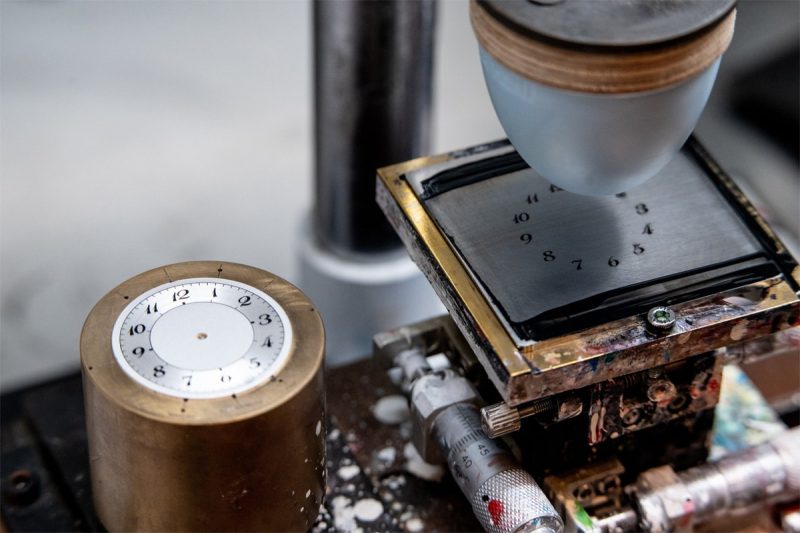
Pad printing is a contact-based indirect printing process in which ink is transferred from a flat etched plate — called a cliché — to a three-dimensional substrate via a flexible silicone pad. The pad’s ability to deform and conform to complex surface geometries is what distinguishes pad printing from other contact printing methods and makes it uniquely effective for decorating surfaces that are curved, recessed, textured, or otherwise non-planar. Pad printing is one of the most widely used decoration and identification processes in consumer goods manufacturing, and it has served industries ranging from medical devices to promotional products for several decades.
How Pad Printing Works
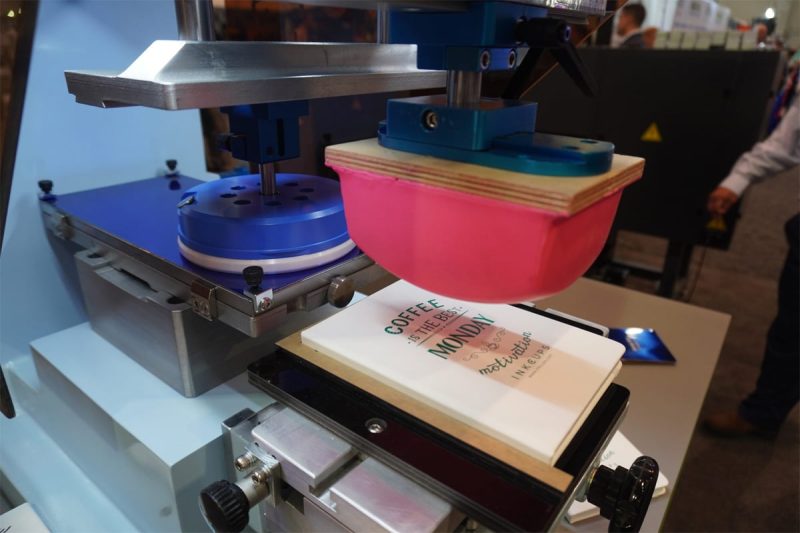
The pad printing cycle begins with the application of ink to a cliché — a steel or polymer plate into which the desired image has been etched to a shallow depth. A doctor blade clears excess ink from the flat surface of the cliché, leaving ink only in the etched image cavity. A silicone pad descends onto the cliché, picking up the ink from the cavity onto its surface. The pad then lifts and moves to the substrate, where it descends and presses the ink image from its surface onto the workpiece. The silicone pad returns to its starting position, and the cycle repeats.
The silicone pad is the key enabling element of the process. Its low surface energy means it accepts ink from the cliché readily but releases it completely onto the substrate during transfer, achieving high ink transfer efficiency. Its elastomeric deformability allows it to conform to curved, concave, convex, and textured substrate surfaces that would resist ink transfer from rigid printing elements. Pad shape, hardness, and size are selected to match the geometry of the substrate and the size of the image being transferred, and a wide variety of pad geometries are available to address different substrate profiles.
Key Components of a Pad Printing System
A complete pad printing system consists of several key components, each of which influences the quality and consistency of the printed mark. The cliché carries the image and must be produced with precise etch depth and clean image edges to ensure consistent ink pickup and transfer across the production run. Clichés are produced from steel — which offers long production life — or polymer materials, which are less expensive and suitable for shorter runs.
The ink system encompasses the printing ink itself, the solvent used to adjust its viscosity and drying behavior, and the ink cup or doctor blade mechanism that controls ink delivery to the cliché. Pad printing inks are formulated for specific substrate materials and must be selected with attention to adhesion, chemical resistance, and compliance requirements. Solvent evaporation is a managed aspect of pad printing — the ink must be tacky enough to transfer from the cliché to the pad and from the pad to the substrate, but it must not dry so quickly that it leaves residue on the pad or so slowly that it fails to adhere properly to the substrate.
The pad printing machine itself provides the mechanical actuation — the cliché flood stroke, the doctor blade wipe, the pad pickup and transfer motions — with either pneumatic or servo-electric drive systems. Modern pad printing machines range from simple single-color manual units to sophisticated multi-station, multi-color automatic systems with vision inspection, reject handling, and production data logging capabilities.
Common Applications and Industries
Medical device manufacturing uses pad printing extensively to apply symbols, graduation marks, dosage indicators, and identification text to syringes, catheters, surgical instruments, and diagnostic devices. The ability to print on curved surfaces and apply multiple colors in a single setup makes pad printing well-suited to the complex geometries and stringent visual quality requirements of medical product decoration.
Consumer electronics manufacturers use pad printing to apply brand logos, model names, regulatory compliance symbols, and functional indicators to housings, keypads, remote controls, and wearable devices. Promotional products manufacturing relies heavily on pad printing as the standard method for applying brand graphics to pens, lighters, USB drives, keychains, drinkware, and thousands of other promotional item categories. Automotive manufacturers use pad printing for instrument panel markings, control legends, decorative graphics, and interior component identification.
Pad printing is an indirect contact printing process that transfers ink from an etched cliché to a substrate via a deformable silicone pad, enabling high-quality multi-color marking on curved, recessed, and geometrically complex surfaces. Its key components — the cliché, ink system, and printing machine — must be carefully matched to the substrate material and production requirements. Pad printing serves a broad range of industries where multi-color decoration of three-dimensional surfaces is the primary marking objective.
Head-to-Head Comparison
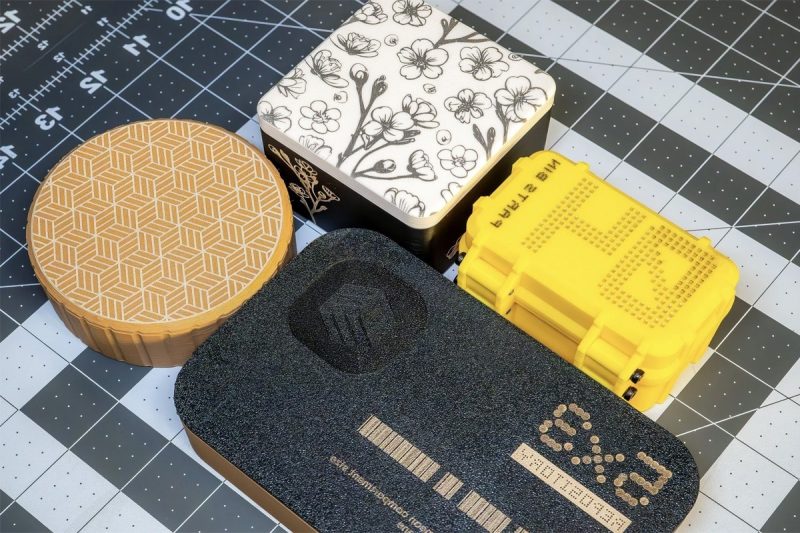
With a clear understanding of how each process works, it is possible to compare pad printing and laser marking directly across the performance dimensions that matter most in industrial marking decisions. This section provides a structured, objective comparison across eight critical criteria, establishing the factual basis for the application-specific recommendations that follow.
Mark Quality and Resolution
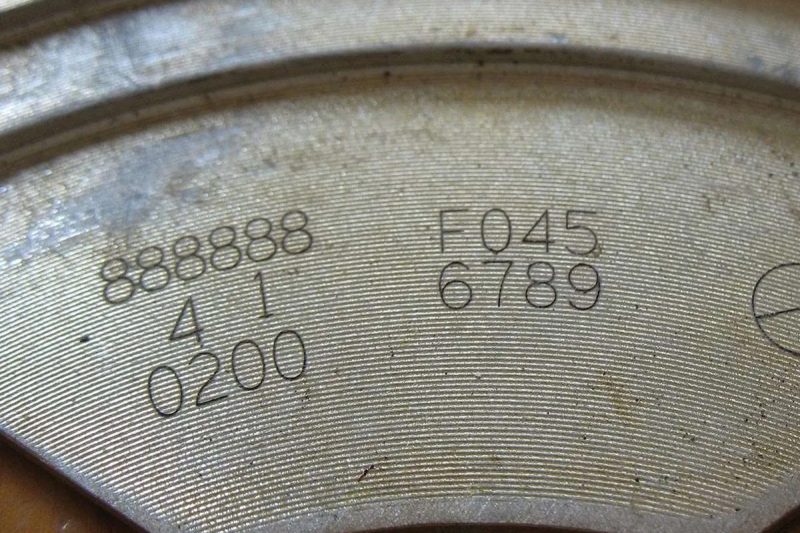
Both pad printing and laser marking are capable of producing high-quality marks, but the nature of that quality differs in ways that are relevant to specific applications. Laser marking, particularly with fiber laser generators, can achieve spot sizes in the range of 20 to 50 micrometers and positioning accuracy of a few micrometers, enabling the production of extremely fine text, complex two-dimensional barcodes, and detailed logos with a level of resolution that exceeds what pad printing can achieve on most substrates. Data matrix codes with cell sizes of 0.3 mm are routinely produced by laser marking systems and verified to GS1 standards — a level of precision that is difficult to replicate consistently with pad printing.
Pad printing produces marks whose quality is determined by the resolution of the cliché, the rheology of the ink, and the deformation behavior of the pad on the substrate surface. On flat or gently curved surfaces, modern pad printing systems can achieve very good resolution with fine text and graphic detail. However, on strongly curved or textured surfaces, the deformation of the pad during transfer introduces some degree of image distortion that limits the minimum feature size and positional accuracy achievable. For applications requiring the highest resolution machine-readable codes, laser marking has a clear quality advantage.
Material Compatibility
Pad printing can be applied to a very wide range of substrates, including plastics, metals, glass, ceramics, rubber, leather, and wood, provided that an ink formulation with appropriate adhesion to the substrate is available or can be developed. The surface energy of the substrate must be sufficient to accept the transferred ink, and in some cases, surface treatment — corona treatment, plasma activation, or primer application — is required to achieve adequate adhesion. Nearly any material that can be physically held in the printing fixture can theoretically be pad printed.
Laser marking is also broadly compatible with many materials, but its effectiveness is more dependent on the material’s optical and thermal properties at the specific laser wavelength being used. Fiber laser generators mark metals with high efficiency and most engineering plastics with good results, but are less effective on transparent or highly reflective materials without specific surface treatments or material additives. CO2 laser generators mark non-metals well but are limited in direct metal marking capability. UV laser generators extend compatibility to heat-sensitive materials that would be damaged by longer wavelength lasers. Neither process covers all materials equally well, and each has material categories where it is clearly superior.
Permanence and Durabilitytibility
This is one of the most significant differentiating dimensions between the two processes. Laser marks — particularly annealing marks on metals and deep ablation marks on hard substrates — are integral to the material surface. They cannot be wiped away, chemically stripped, or worn off without removing a corresponding layer of substrate material. For traceability applications where marks must remain legible throughout the entire operational life of a component — potentially spanning decades of service in demanding environments — this inherent permanence is a critical advantage.
Pad printing marks are ink-based surface deposits, and their durability is a function of the ink formulation, substrate adhesion, and the environmental conditions the printed surface encounters in service. High-performance pad printing inks with appropriate cross-linking agents and topcoat protection can achieve good resistance to abrasion, solvents, and UV exposure. However, they remain surface deposits that can be worn, scratched, or chemically attacked under sufficiently demanding conditions. For applications subject to heavy mechanical contact, harsh chemical environments, or extreme temperature cycling, laser marking’s inherent permanence gives it a significant durability advantage over pad printing.
Production Speed and Throughput
Laser marking systems — particularly fiber laser generators used for metal part marking — are extremely fast. A complex data matrix code or serial number can be marked on a metal component in a fraction of a second, and high-speed systems can process hundreds or thousands of parts per hour in automated configurations. The mark content can be changed from part to part without any machine adjustment, enabling fully variable data marking at production speed. This makes laser marking is the natural choice for high-volume, high-mix production environments.
Pad printing cycle times are determined by the mechanical speed of the printing machine, the number of colors being applied, and the drying or curing time required between color layers. Single-color pad printing on a well-configured automatic machine can achieve cycle rates competitive with laser marking for simple graphics. Multi-color pad printing requires multiple stations and drying intervals that extend cycle time significantly. Setup and changeover between different print jobs require cliché changes, ink changes, and pad adjustments that add non-productive time to the production schedule.
Setup Time and Changeover
Setup and changeover represent a meaningful cost and flexibility difference between the two processes. Pad printing requires a cliché for each unique image — and clichés must be produced, inventoried, and changed physically when the job changes. An ink change requires flushing the ink cup, cleaning the doctor blade, and loading the new ink formulation. These changeover activities typically require 15 to 45 minutes per job change, which represents significant lost production time in high-mix environments.
Laser marking systems change job content through software alone. A new serial number, barcode, logo, or text string is loaded from the control computer in seconds, with no physical changeover required. This software-driven flexibility is one of laser marking’s most compelling operational advantages in environments where product variety is high and production runs are short.
Consumable Costs and Ongoing Expenses
Pad printing carries ongoing consumable costs associated with ink, solvent, cliché replacement, and pad replacement. Ink and solvent costs vary by substrate type and mark coverage but represent a continuous and material operating expense. Clichés have finite production lives — typically hundreds of thousands of cycles for steel clichés — and must be periodically replaced. Silicone pads also wear over time and require replacement. The cumulative consumable cost of pad printing in high-volume production can be substantial.
Laser marking systems have essentially no consumable costs in normal operation. The laser generator itself has a rated operational life — typically measured in tens of thousands of hours for fiber laser generators — and will eventually require replacement, but this is a capital replacement cost rather than a consumable expense. No inks, solvents, or mechanical wear components are consumed in the marking process itself. This consumables-free operating model gives laser marking a significant long-term cost advantage in high-volume applications, even when the higher upfront equipment investment is taken into account.
Equipment Investment and Total Cost of Ownership
The upfront equipment investment for pad printing is generally lower than for laser marking, particularly for simple single-color applications. A basic automatic pad printing machine suitable for medium-volume production can be acquired for a fraction of the cost of an equivalent laser marking system. This lower entry cost makes pad printing an accessible option for small manufacturers, custom decorators, and applications where production volumes do not justify the capital investment in laser equipment.
Laser marking systems carry a higher initial capital cost, but their lower operating costs — no consumables, minimal maintenance, high uptime — result in a total cost of ownership that is frequently lower than pad printing over a multi-year operational horizon in high-volume applications. The crossover point depends on production volume, mark complexity, substrate type, and the specific systems being compared, and should be calculated based on realistic production assumptions rather than equipment list prices alone.
Environmental Impact
Pad printing uses solvent-based or UV-curable inks that contain volatile organic compounds (VOCs) and require careful management of waste ink, contaminated solvent, and spent clichés. Regulatory requirements for VOC emissions and hazardous waste disposal vary by jurisdiction but represent a compliance obligation and an operating cost. The shift toward UV-curable and water-based pad printing inks has reduced but not eliminated the environmental footprint of the process.
Laser marking produces no inks, solvents, or chemical waste. The only environmental output is the fume and particulate generated by the surface modification reaction, which is captured and filtered by the fume extraction system built into or connected to the laser marking machine. The environmental profile of laser marking is substantially cleaner than that of ad printing in terms of chemical waste generation, VOC emissions, and regulatory compliance burden.
Across the eight comparison dimensions, laser marking demonstrates clear advantages in mark permanence, long-term durability, and software-driven flexibil-free operating economics, and environmental impact. Pad printing demonstrates advantages in multi-color capability, conformance to complex three-dimensional surfaces, and lower upfront equipment investment. Neither technology dominates across all dimensions, and the relative importance of each criterion depends on the specific application requirements being addressed.
Where Pad Printing Has the Advantage
Despite laser marking’s advantages in permanence, speed, and operating economics, pad printing retains meaningful competitive advantages in specific application contexts. Understanding where pad printing genuinely outperforms laser marking is as important as understanding the reverse, because selecting the wrong technology for the wrong application always results in inferior outcomes, regardless of which technology is theoretically more capable in other contexts.
Multi-Color Marking in One Setup
Pad printing’s most distinctive advantage over laser marking is its native capability to apply multiple ink colors in a single production setup. A multi-station pad printing machine can apply two, three, four, or more colors in registration with each other as the workpiece indexes through successive printing stations, producing full-color graphics, logos, and decorative elements that cannot be replicated by standard laser marking systems. Laser marking is fundamentally a monochromatic process — it produces marks by modifying the substrate material rather than depositing pigment, and while color marking on metals is technically possible through controlled oxidation, the range of achievable colors is limited, and the process is not suitable for the broad-palette multi-color graphics that pad printing handles routinely.
For brand graphics, product decoration, and consumer goods marking where color is integral to the visual identity of the mark — a company logo in brand-specific colors, a multicolor scale on a consumer product, decorative graphics on promotional items — pad printing’s multi-color capability is a decisive advantage that laser marking cannot match without the addition of secondary coloring processes.
Curved and Irregular Surfaces
The silicone pad at the heart of the pad printing process is inherently capable of conforming to the three-dimensional geometry of complex substrate surfaces. Deeply curved parts, concave surfaces, recessed panels, and surfaces with complex compound curvature can all be pad printed with good image quality and registration accuracy, provided that the pad geometry is correctly selected for the substrate profile. This surface conformance capability makes pad printing the standard marking technology for product categories such as golf balls, bottles, pens, lighters, and medical syringe bodies — all of which present surface geometries that would challenge or preclude flat or gantry-based laser marking configurations.
Laser marking systems can address curved surfaces through the use of rotary fixtures, tilted work surfaces, and dynamic focus adjustment systems, but these solutions add complexity and cost and are not always effective for highly complex geometries. For marking applications on strongly curved, deeply recessed, or genuinely irregular three-dimensional surfaces, pad printing often provides a simpler and more cost-effective solution than configuring a laser marking system to handle the same geometry.
Low Upfront Cost for Simple Applications
For simple, single-color marking applications at moderate production volumes — a brand logo on a promotional pen, a compliance symbol on a consumer product component, a color accent on a medical device housing — the lower upfront cost of pad printing equipment makes it an economically rational choice compared to a laser marking system. The consumable costs of pad printing are real but manageable at modest volumes, and the capital savings relative to laser marking can justify pad printing on pure economics for applications that do not require the permanence, speed, or variable-data capabilities that favor laser.
Best-Suited Industries and Use Cases
decoration — logos, legends, and branding on curved plastic housings — frequently favors pad printing where color is required. Medical device decoration for non-traceability applications — dosage graduation marks, color-coded handling indicators, brand graphics — often uses pad printing for its surface conformance and multi-color capabilities. Toy and sporting goods manufacturing relies on pad printing for product decoration across a wide range of geometries and color requirements.
Pad printing’s competitive advantages concentrate in three areas: multi-color marking capability, surface conformance to complex three-dimensional geometries, and lower upfront equipment investment for simple moderate-volume applications. These advantages are genuine and meaningful in the right application contexts, and they explain why pad printing continues to occupy a substantial share of the industrial marking market despite the growing adoption of laser marking across many industries.
Where Laser Marking Has the Advantage
Laser marking’s advantages over pad printing are extensive and span several of the most commercially significant dimensions of industrial marking performance. This section identifies where laser marking outperforms pad printing most clearly and maps those advantages to the industries and application contexts where they translate directly into superior production outcomes.
Permanent, Consumable-Free Marking
The permanence of laser marks — integral to the material surface, resistant to mechanical wear, chemical attack, and environmental degradation — is laser marking’s most fundamental advantage over pad printing for applications where long-term mark legibility is a requirement. Traceability codes that must remain readable after decades of service in demanding industrial environments, identification marks that must survive sterilization, chemical cleaning, and surgical handling, and compliance marks that must be legible at end-of-life recycling are all applications where the inherent permanence of laser marking is not merely preferable but functionally necessary.
The absence of consumables in laser marking operations simplifies supply chain management, eliminates ink and solvent handling requirements, reduces waste generation, and creates a predictable, stable operating cost profile that is independent of material price fluctuations. For high-volume production operations, this consumable-free model represents a substantial and compounding cost advantage over the lifetime of the equipment.
High Precision and Fine Detail
The fine spot sizes and high positioning accuracy achievable with laser generator-based marking systems enable the production of marks at resolution levels that exceed pad printing for most practical applications. Two-dimensional data matrix codes at small cell sizes, QR codes, micro-text readable only under magnification, and fine halftone images are all within the capability of modern laser marking systems. This precision is particularly valuable for traceability applications governed by standards that specify minimum code quality grades — standards that laser marking systems routinely achieve and that pad printing systems may struggle to meet consistently on demanding substrates.
Faster for Variable Data and High-Mix Production
The ability to change mark content — serial numbers, batch codes, date-time stamps, customer-specific identifiers — from part to part through software alone, without any physical machine adjustment or downtime, is one of laser marking’s most compelling operational advantages in high-mix and serialized production environments. Every part can carry a unique, sequentially generated identifier that is applied at production speed without the setup overhead that pad printing would require for even modest mark content changes. For industries where product serialization and unique part identification are regulatory requirements — medical devices, aerospace components, automotive safety parts — this capability is not optional but essential.
Automation and Integration Capability
Laser marking systems are well-suited to integration into automated production lines because they are compact, require no ink replenishment or mechanical changeover, can be triggered by production line control signals, and can interface with manufacturing execution systems to receive mark content data and return verification results in real time. A laser marking station can be inserted into a conveyor line, a robotic cell, or a precision assembly station with minimal footprint and without the ancillary infrastructure — ink supply, waste management, drying or curing equipment — that pad printing integration requires. This integration simplicity supports the trend toward fully automated, traceable production across automotive, electronics, and medical device manufacturing.
Best-Suited Industries and Use Cases
Medical device manufacturing’s requirement for permanent UDI marking on stainless steel and titanium components is almost universally served by laser annealing marking. Aerospace and defense manufacturing’s serialization and traceability requirements on metal structural components and tooling are served by fiber laser marking systems that can produce permanent, wear-resistant marks in compliance with applicable standards. Automotive production line marking — engine blocks, transmission components, chassis parts, fasteners — relies on high-speed fiber laser marking integrated into automated assembly cells. Electronics manufacturing uses laser marking for PCB identification, housing marking, and component coding. Packaging and food manufacturing use CO2 laser generators for permanent date and batch coding that eliminates the ink smearing, non-adhesion, and legibility issues associated with ink-based coding on difficult substrates.
Laser marking’s advantages — inherent permanence, consumables-free economics, fine resolution, variable-data speed, and automation integration capability — are most decisive in applications requiring permanent traceability codes on precision components, high-volume serialized production, automated production line integration, and compliance with regulatory marking standards. These advantages have driven the rapid adoption of laser marking across the most demanding industrial marking applications globally, and they represent a compelling case for laser marking wherever these requirements are present.

How to Choose Between Pad Printing and Laser Marking
The preceding analysis establishes a clear picture of where each technology excels and where each falls short. This section translates that analysis into a practical decision framework, organized around the key criteria that should drive the selection process in real-world industrial marketing decisions. It also addresses the increasingly common scenario where both technologies are used in combination to address marking requirements that neither can fully serve alone.
Key Decision Criteria
The first criterion to evaluate is the mark permanence requirement. If the application demands marks that will remain legible and machine-readable throughout the entire operational life of the component — across harsh service environments, sterilization cycles, or abrasive contact conditions — laser marking is the appropriate technology. If the marks are decorative, serve short-term identification purposes, or will be renewed periodically, the durability advantage of laser marking may not justify its cost premium over pad printing.
The second criterion is color requirement. If the application requires multi-color graphics — a brand logo in multiple specified colors, a color-coded indicator system, a decorative graphic element with color differentiation — pad printing is the natural and most cost-effective solution. Standard laser marking cannot produce multi-color output, and attempts to achieve color effects through laser marking mechanisms are limited in palette and not suited to the full-color branding requirements that are routine in consumer goods and promotional product manufacturing.
The third criterion is substrate geometry. For flat or modestly curved surfaces, both technologies are practical. For strongly curved, concave, or geometrically complex three-dimensional surfaces where a flat or semi-flat mark transfer is required, pad printing’s silicone pad conformance capability provides a practical solution that laser marking can only match with significant additional equipment complexity and cost.
The fourth criterion is production volume and mix. For high-volume, high-mix production with frequent content changes — particularly serialized production where every part carries a unique identifier — laser marking’s software-driven flexibility and speed make it the more productive and economical choice. For lower-volume production with stable, infrequently changing mark content, pad printing’s lower equipment investment may offer better overall economics despite its consumable costs.
The fifth criterion is regulatory and traceability requirements. Applications governed by standards requiring permanent, machine-readable traceability codes on metal components — medical device UDI requirements, aerospace serialization standards, automotive traceability mandates — will typically mandate laser marking by the technical requirements of the applicable standard, regardless of other cost or capability considerations.
Hybrid Approaches: Using Both Methods Together
In many production environments, the optimal marking strategy is not an either-or choice between pad printing and laser marking but a deliberate combination of both technologies, each applied to the marking requirements it serves best. A medical device manufacturer might use laser annealing marking to apply a permanent, sterilization-resistant UDI code to a stainless steel instrument body while using pad printing to apply color-coded handling indicators and brand graphics to the polymer grip components. An automotive manufacturer might use laser marking for the permanent serialization of metal engine components while using pad printing for the color legend markings on instrument panel plastic components.
Hybrid approaches allow production operations to capture the permanence, precision, and variable-data advantages of laser marking where those qualities are required by the application, while retaining the multi-color and surface-conformance capabilities of pad printing where they are needed — without forcing either technology to operate outside its optimal performance range. Evaluating whether a hybrid approach is appropriate requires mapping the full set of marking requirements across the product range to the capabilities of each technology and identifying the combination that best addresses the complete requirement set at the lowest total cost.
Choosing between pad printing and laser marking requires evaluating five key criteria in sequence: permanence requirement, color requirement, substrate geometry, production volume and mix, and regulatory or traceability obligations. Working through these criteria systematically will identify the clearly appropriate technology for the great majority of industrial marking applications. Where the requirements include both capabilities that favor laser marking and capabilities that favor pad printing — multi-color decoration alongside permanent traceability coding, for example, a hybrid approach using both technologies in combination is often the most effective and economical solution.
Conclusion
This article has provided a thorough, structured comparison of pad printing and laser marking across every dimension relevant to industrial marking decisions — from the fundamental mechanisms of each process through mark quality, material compatibility, durability, speed, cost, environmental impact, and practical application guidance.
Laser marking and pad printing are complementary technologies that each occupy well-defined application niches. Laser marking — driven by fiber, CO2, or UV laser generators depending on the substrate — produces permanent, consumable-free marks with high resolution, variable-data flexibility, and automation integration capability that make it the dominant choice for industrial traceability, precision component identification, and regulatory compliance marking. Its inherent permanence, clean operating economics, and compatibility with automated production environments have driven its adoption across automotive, aerospace, medical device, and electronics manufacturing at a pace that continues to accelerate.
Pad printing remains the superior choice for multi-color decoration on complex three-dimensional surfaces and for lower-volume applications where the upfront cost of laser equipment is not justified by the production requirements. Its surface conformance capability, multi-color output, and broad material compatibility make it indispensable in promotional products, consumer electronics decoration, and consumer goods manufacturing, where color and geometry diversity are central challenges.
The decision between the two technologies is not a matter of one being universally better than the other — it is a matter of matching the right technology to the specific requirements of the application. Permanence and traceability requirements favor laser marking decisively. Multi-color and complex-geometry requirements favor pad printing. Where both sets of requirements exist within the same production environment, a thoughtfully designed hybrid approach that uses each technology where it excels is frequently the most effective and economical solution. Understanding the technical and commercial profiles of both technologies clearly — as this article has aimed to provide — is the essential foundation for making that choice well.
Get a Laser Marking Solution
For manufacturers evaluating laser marking technology — whether as a replacement for an existing pad printing operation, as a new capability to meet traceability or regulatory requirements, or as part of a hybrid marking strategy — selecting the right laser marking system and working with a supplier who can provide genuine application support across the full product lifecycle makes a measurable difference to the quality of the outcome.
AccTek Laser is a professional laser machine manufacturer offering a comprehensive range of fibre, CO2, and UV laser marking systems designed to address the full spectrum of industrial marking applications covered in this article. From high-speed fibre laser marking systems for in-line metal component traceability to CO2 systems for non-metallic substrate marking and UV systems for heat-sensitive material applications, its product portfolio is matched to the real diversity of industrial marking requirements. Engineering consultation is available to support application assessment, system selection, and parameter development for specific substrate and mark quality requirements. Installation, commissioning, operator training, spare parts supply, and after-sales technical support are provided as a complete service package — ensuring that the transition to laser marking delivers the production quality, throughput, and regulatory compliance outcomes that the investment is intended to achieve.

Contact information
- [email protected]
- [email protected]
- +86-19963414011
- No. 3 Zone A, Lunzhen Industrial Zone,Yucheng City , Shandong Province.
Get Laser Solutions