Is Laser Dust Removal Harmful to Humans?
Is laser dust removal harmful to humans? This guide covers health risks, safety standards, protective measures, and best practices for safe industrial laser dust removal.
| Model | AKQ-100 | AKQ-200 | AKQ-300 | AKQ-500 | AKQ-1000 | AKQ-1500 | AKQ-2000 |
|---|---|---|---|---|---|---|---|
| Laser Power | 100W | 200W | 300W | 500W | 1000W | 1500W | 2000W |
| Laser Operating Modes | Pulse Laser | ||||||
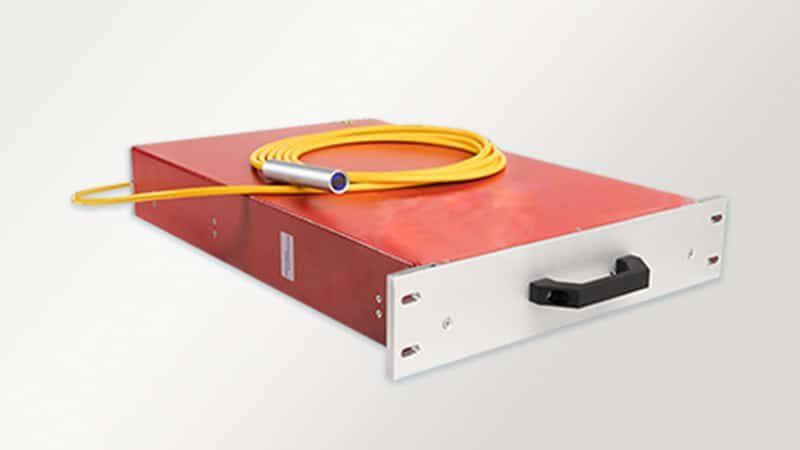
| Laser Generator | JPT | ||||||
| Laser Wavelength | 1080nm±10nm | ||||||
| Pulse Energy | 1.5mj | 1.5/2/5mj | 1.5/2/5/15mj | 1.5/15/50mj | 15/50mj | 50/100mj | |
| Laser Cleaning Head | AccTek | ||||||
| Laser Cleaning Area | 100*100mm (130*130mm, 150*150mm Optional) | 130*130mm (150*150mm Optional) | 150*150mm (180*180mm, 290*290mm Optional) | ||||
| Control System | AccTek | ||||||
| Expected Focal Distance | 160mm | ||||||
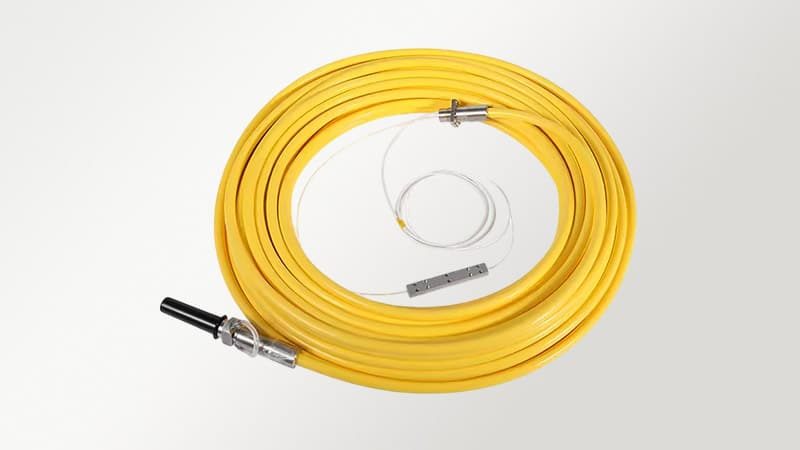
| Fiber Cable Length | 3m | 5m | 10m | ||||
| Cooling Type | Air Cooling | Air/Water Cooling | Water Cooling | ||||
| Pulse-Frequency Range | 20-200 KHz | ||||||
| Voltage and Frequency | 220V 50/60H | ||||||
| Working Environment | 10-40℃ | ||||||
| Operating Humidity | 5-95% | ||||||
| Comparison Item | Laser Cleaning | Sandblasting | Ultrasonic Cleaning | Dry Ice Blasting |
|---|---|---|---|---|
| Cleaning Principle | Uses focused laser energy to remove rust, paint, oxide, oil, and surface deposits | Uses high-speed abrasive particles to strike and remove contaminants | Uses high-frequency sound waves in liquid to create cavitation bubbles | Uses compressed air to blast dry ice pellets onto the surface |
| Surface Contact | Non-contact cleaning, no mechanical force on the workpiece | Direct impact on the surface with abrasive media | Workpiece must be placed in cleaning liquid | Dry ice pellets impact the surface but sublimate after contact |
| Surface Damage Risk | Low risk when parameters are correctly set | Higher risk of roughening, pitting, or removing base material | Low for many small parts, but unsuitable for some sensitive materials | Lower than sandblasting, but impact force may affect delicate parts |
| Cleaning Precision | Very high; suitable for selective and local cleaning | Lower precision; often cleans a wider area | Good for complex small parts immersed in liquid | Medium precision; better for broad surface cleaning |
| Suitable Materials | Metals, molds, stone, some composites, and selected coated surfaces | Metals, concrete, stone, and heavy-duty surfaces | Small metal, plastic, glass, and precision parts | Metal, rubber, plastic, food equipment, and industrial surfaces |
| Rust Removal | Very effective for light to heavy rust on metal surfaces | Very effective for heavy rust and scale | Limited; better for oil, grease, and fine particles | Moderate; better for dirt, oil, paint, and light residues |
| Paint Removal | Can remove paint layer by layer with controlled parameters | Fast paint removal but may damage the substrate | Not ideal for thick paint removal | Effective for some coatings, but not always for thick or hard paint |
| Oil and Grease Removal | Effective, especially with proper laser settings | Possible but may spread contamination or need extra treatment | Very effective for oil and grease on small parts | Effective for oil and grease without water |
| Cleaning Speed | Fast for targeted areas and automated production lines | Fast for large rough surfaces | Slower because parts need soaking and drying | Fast for large surfaces and production equipment |
| Environmental Impact | No abrasive waste, usually low secondary pollution | Produces dust, spent abrasive, and contaminated waste | Requires cleaning liquid and wastewater treatment | No blasting media residue, but requires CO₂ dry ice supply |
| Consumables | No regular cleaning media required | Requires sand, grit, or other abrasive media | Requires cleaning solution and sometimes additives | Requires dry ice pellets and compressed air |
| Operating Cost | Higher initial cost, lower consumable cost | Lower equipment cost, higher ongoing media and cleanup cost | Moderate cost, depending on tank size and liquid use | Ongoing dry ice and compressed air costs can be high |
| Equipment Investment | Higher initial investment | Usually lower initial investment | Low to medium for small systems; higher for large industrial tanks | Medium to high depending on system size |
| Automation Capability | Excellent; easy to integrate with robots, CNC systems, and production lines | Possible, but media handling and dust control are more complex | Suitable for batch cleaning, less flexible for large parts | Can be automated, but dry ice supply must be managed |
| Cleaning of Complex Shapes | Good for accessible surfaces, corners, welds, and molds | Good for exposed surfaces but may be uneven in narrow areas | Excellent for small complex parts fully immersed in liquid | Good for many shapes, but deep narrow gaps may be difficult |
| Post-Cleaning Treatment | Usually little or no post-cleaning required | Often requires dust removal and surface finishing | Requires rinsing and drying | Usually little residue, but moisture/condensation may need attention |
| Worker Safety | Requires laser safety glasses, enclosure, and fume extraction | Requires dust protection, blasting suit, and hearing protection | Requires chemical handling and liquid safety measures | Requires ventilation, hearing protection, and care with cold materials |
| Noise Level | Relatively low to medium depending on system and extraction | High noise during blasting | Low to medium | High due to compressed air blasting |
| Best Application Scenarios | Precision rust removal, weld cleaning, mold cleaning, oxide removal, coating removal, and automated cleaning | Heavy rust, scale, old coating removal, and rough surface preparation | Small precision parts, medical parts, electronics parts, and oil removal | Food equipment, molds, production lines, and cleaning without water |
| Main Limitation | Higher purchase cost and need for laser safety control | Dust, abrasive waste, surface roughening, and cleanup work | Limited by tank size, liquid use, and drying requirements | Requires dry ice supply, compressed air, and good ventilation |

AccTek Laser uses advanced fiber laser technology to ensure stable performance and precise cleaning results. Their machines provide efficient removal of rust, paint, oil, and coatings while protecting the base material, making them suitable for many industrial cleaning applications.
AccTek Laser offers a variety of laser cleaning machines with different power levels and configurations. Customers can choose from portable handheld machines to high-power industrial systems, allowing businesses to select the most suitable equipment for their specific cleaning tasks.
AccTek Laser machines are built with reliable components such as premium fiber laser sources, high-speed scanning systems, and durable control units. Using quality parts improves system stability, extends machine lifespan, and ensures consistent performance during long-term industrial operation.
AccTek Laser provides flexible customization based on customer needs. Laser power, cooling systems, cleaning width, and automation options can be adjusted according to different applications. This helps businesses achieve optimal cleaning efficiency for various materials and contamination types.
AccTek Laser offers comprehensive technical support, including machine selection guidance, installation assistance, and operation training. Their experienced engineering team helps customers quickly understand the equipment and ensures smooth machine operation after installation.
AccTek Laser serves customers in many countries and provides dependable international service. Detailed documentation, remote technical support, and responsive after-sales service help customers maintain machine performance and minimize downtime during daily production operations.
Is laser dust removal harmful to humans? This guide covers health risks, safety standards, protective measures, and best practices for safe industrial laser dust removal.
This article systematically explains the types and principles of laser cleaning machine cooling systems, daily inspection and maintenance procedures, and methods for diagnosing and handling common faults, helping users quickly
This article will systematically analyze the main limitations of laser cleaning from an engineering and application perspective, and provide mature and practical solutions to help manufacturing companies make informed decisions.
This article delves into the safety operation training requirements for laser cleaning machines in industrial applications, covering laser safety, protective equipment, equipment maintenance, risk management, and compliance standards.
The price range for a 2000w pulse laser cleaning machine is typically between $40,00 and $50,000. The cost depends on a variety of factors, including the machine’s specifications, features, brand reputation, and other accessories or options included in the purchase.
Machines at the lower end of the price range may offer basic features and fewer advanced features, while higher-priced models may come with more sophisticated scanning systems, enhanced security features, and better overall performance.
Specific cleaning needs, budget constraints, and desired functionality should be carefully assessed when selecting a machine to ensure that the investment in a solution will effectively meet requirements and provide long-term value. Additionally, considering factors like warranty coverage, technical support, and manufacturer reputation can help you make an informed buying decision. If you need the accurate price of a 2000w pulse laser cleaning machine, you can contact our sales staff, they will provide you with a detailed quotation and support.
Maintenance and operating costs for a 2000W pulse laser cleaning machine can vary depending on a variety of factors, including frequency of use, type of material being cleaned, and any necessary consumables. Here’s a breakdown of potential costs:
While the initial purchase price of a 2000w pulse laser cleaning machine is a significant investment, the ongoing maintenance and operating costs are typically manageable compared to traditional cleaning methods. Proper maintenance and regular repairs help extend the life of your machine and ensure long-term, stable performance.
The maximum cleaning area of a 2000w pulse laser cleaning machine usually depends on the specifications of the machine and the specific model provided by the manufacturer. The 2000w pulse laser cleaning machines produced by AccTek Laser have a standard cleaning area of 150 x 150mm, but they also offer options for larger cleaning areas including 180 x 180mm and 290 x 290mm.
The larger cleaning area option enables users to clean larger surfaces more efficiently, reducing overall processing time for projects involving larger workpieces or areas. The ability to select different cleaning area sizes provides the flexibility to adapt to a variety of cleaning applications, from smaller precision cleaning tasks to large-scale surface preparation or restoration projects.
When considering a 2000w pulse laser cleaning machine, it is important to evaluate the available cleaning area options based on your specific cleaning requirements and the size of the surface to be treated. Choosing a machine with a larger cleaning area can increase productivity and versatility, especially for projects involving larger workpieces or areas that require faster cleaning speeds.
The 2000w pulse laser cleaning machine provided by AccTek Laser uses an S&A water cooler as the cooling system. The S&A Water Cooler is an industrial water cooler designed to effectively remove heat from laser systems.
It uses a refrigeration cycle to cool the circulating fluid, which then absorbs heat from the laser system. This process helps maintain the optimal operating temperature of laser components, ensuring consistent performance and extending the life of the equipment.
In this setup, a water cooler circulates coolant (usually water or a water-glycol mixture) through the laser system to absorb the heat generated during operation. The coolant then passes through the cooling unit, where it is cooled and then recycled back to the laser system.
Cooling the 2000w pulse laser cleaning machine with an S&A water cooler ensures efficient and reliable cooling, thereby maintaining the machine’s performance and stability during operation.
The 2000w pulse laser cleaning machine is a powerful tool that uses laser energy to remove contaminants and unwanted materials from a variety of surfaces. Here are some materials that can typically be cleaned with this machine:
It is important to note that the effectiveness of cleaning depends on the type of material, the nature of the contaminants, and laser parameters such as pulse duration, wavelength, and energy. Proper settings and adjustments allow for optimal cleaning results without damaging the substrate material. When cleaning different materials, always refer to your machine’s user manual and guides to ensure safe and effective operation.
Yes, the power output or intensity of the 2000w pulse laser cleaning machine can be adjusted to suit a variety of cleaning applications and materials. This adjustability helps achieve optimal cleaning results while ensuring the safety and integrity of the target surface.
Adjusting power output typically involves modifying parameters such as pulse duration, pulse frequency, and power density. Pulse duration refers to the length of time each laser pulse lasts. The shorter the duration, the higher the peak power, which is suitable for treating more difficult contaminants. Pulse frequency, on the other hand, determines the number of pulses emitted per second, affecting overall power delivery and cleaning speed. At the same time, power density (calculated as laser power divided by beam spot size) determines the intensity of the laser beam on the target surface.
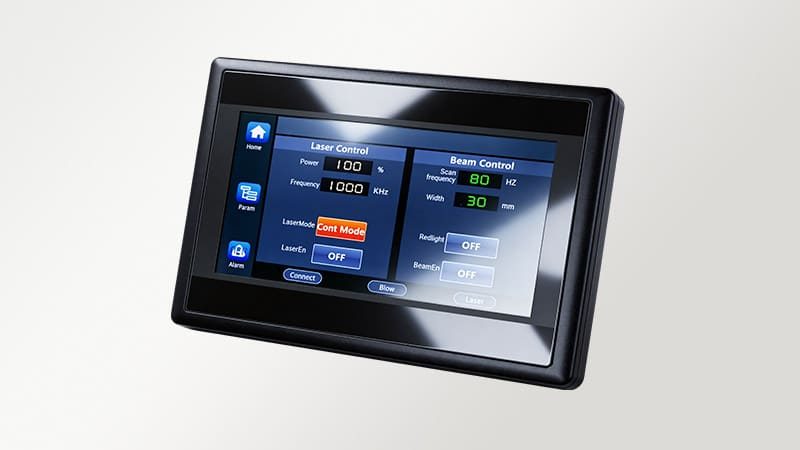
Modern laser cleaning machines have user-friendly interfaces that make it easy to adjust these parameters. This allows operators to fine-tune the cleaning process to the specific requirements of the material being cleaned, whether it is metal, stone, wood, or other surfaces. Proper adjustment ensures efficient cleaning while minimizing the risk of material damage, making the machine versatile and suitable for a variety of industrial and restoration applications.
The effectiveness of a 2000w pulse laser cleaning machine in removing contaminants depends on several factors, including the type of contaminant, the material being cleaned, and the specific parameters used in the cleaning process. Generally speaking, 2000w pulse laser cleaning machines are very effective in removing various contaminants from different surfaces. Here are some key points to consider regarding its effectiveness:
The 2000w pulse laser cleaning machine is an efficient tool for removing various surface contaminants, with precision, efficiency, and environmental benefits compared to traditional cleaning methods. However, specific results may vary depending on the application and the condition of the surface being cleaned.
For a 2000w pulse laser cleaning machine, the power requirements can be broken down as follows:
Taking these factors into consideration, the total power requirement of a 2000w pulse laser cleaning machine is likely to be between approximately 5300w and 6800w. The scope takes into account changes in the efficiency and design of components, as well as any additional power requirements for safety features or auxiliary systems.
4 reviews for 2000W Pulse Laser Cleaning Machine
Ryan –
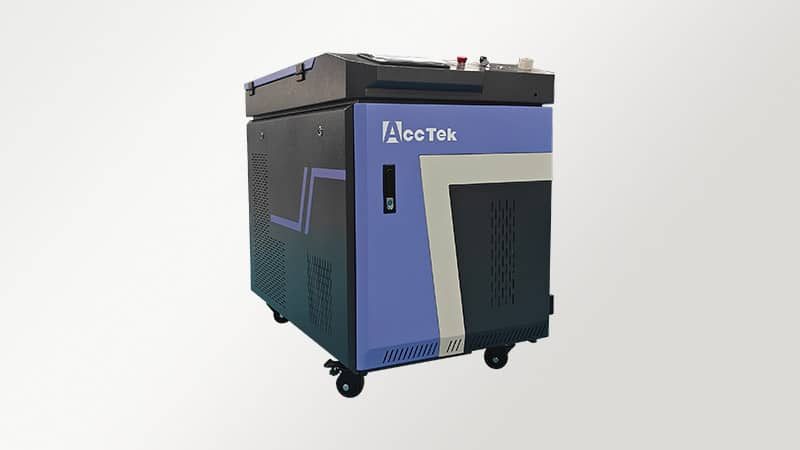
We use the pulse laser cleaning machine for rust removal on steel frames and repair parts. The best part is how easy it is to move around the workshop. Some parts are too large to bring to one cleaning area, so the built-in wheels save us a lot of handling time. The cleaning head covers the surface evenly, and we can adjust the settings for light rust or heavier buildup. The machine does not create the same mess as grinding or blasting. After a few days of use, our team was comfortable with the controls. It has made our cleaning work faster and more consistent.
Samuel –
After using the machine for several months, I can say it is easy to work with once you understand the settings. The control system is clear, and common cleaning tasks can be repeated without starting from zero each time. We use it for rust, coating residue, and general surface cleaning before assembly. The laser output is stable, and the cleaning head moves smoothly over the surface. The cooling equipment keeps the machine running well during longer tasks. Compared with manual cleaning, it saves effort and gives a neater finish. It is a dependable machine for regular production support.
Carter –
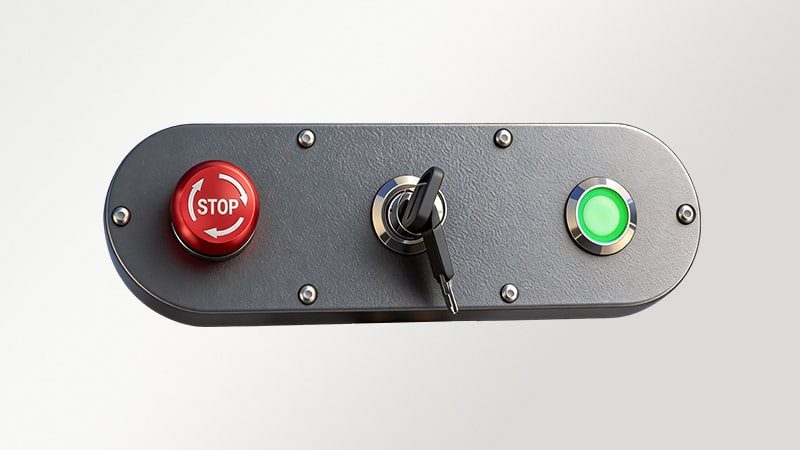
Our welding shop needed a cleaner way to prepare parts before welding and finishing. This machine has worked well for that. It removes rust and surface dirt without leaving dust all over the floor. The beam delivery feels steady, and the cleaning head is easy to guide once the operator gets used to it. We also move the machine between work bays, so the mobile design is a real advantage. The safety interlock and alarm system is useful because several workers use the equipment during the week. It gives us better control than hand tools and helps improve the final look of our welded parts.
Natalie –
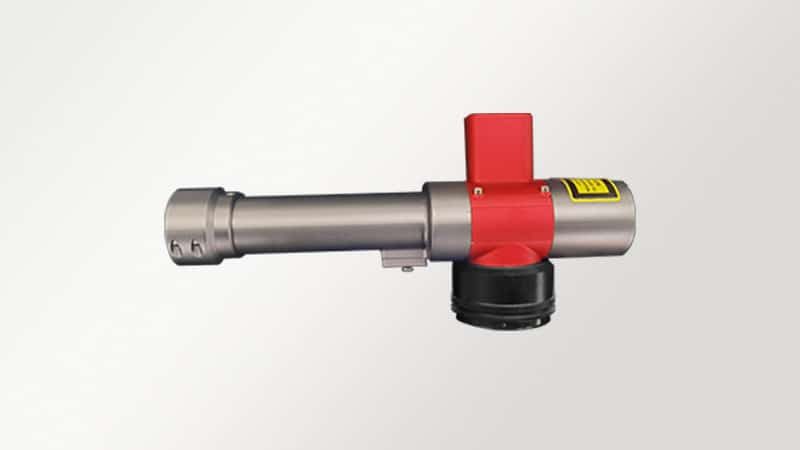
The pulse laser cleaning machine has been helpful for surface preparation before coating. We use it on metal parts that need rust, paint, or oil residue removed. The pulsed laser gives good control, so we can clean the surface without being too aggressive. I also like the double-wobble cleaning head because it reduces uneven marks and gives a smoother result. The control system is simple enough for our operators to learn, but still gives us the settings we need. During longer jobs, the cooling system keeps the machine stable. It has become a useful part of our daily production process.