
















CO2 Laser Cutting Machine Safety Guidelines
This article covers the essential safety precautions for operating a CO2 laser cutting machine, from radiation and fire risks to fume extraction, PPE, machine features, and routine maintenance checks.
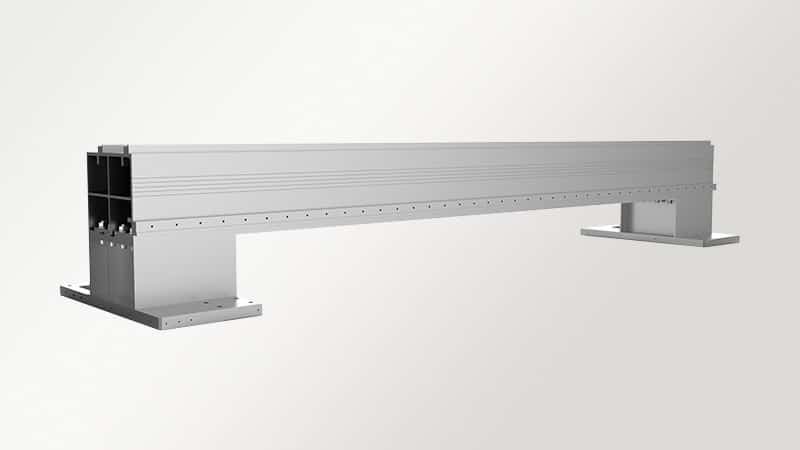
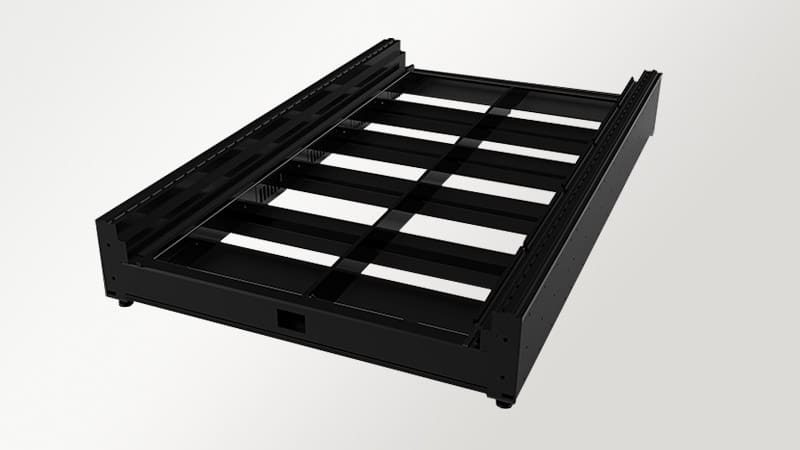
| Model | AKJ1530F | AKJ1545F | AKJ1560F | AKJ2030F | AKJ2040F | AKJ2060F | AKJ2560F |
|---|---|---|---|---|---|---|---|
| Cutting Range | 1500*3000mm | 1500*4500mm | 1500*6000mm | 2000*3000mm | 2000*4000mm | 2000*6000mm | 2500*6000mm |
| Laser Power | 1500-40000W | ||||||
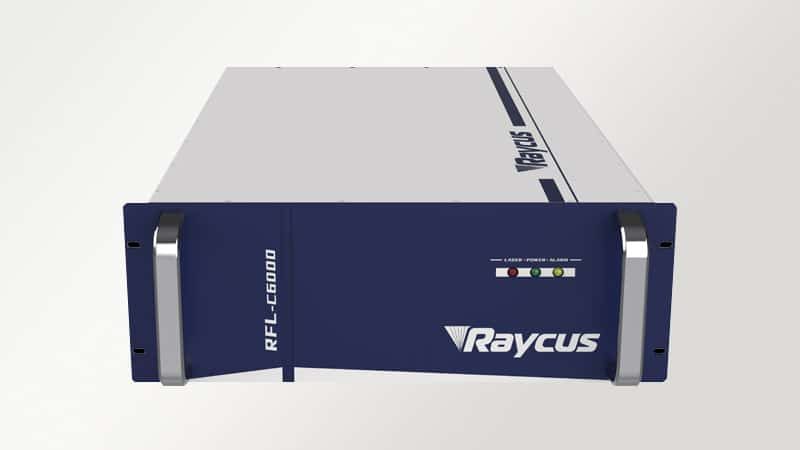
| Laser Generator | Raycus/Max/IPG | ||||||
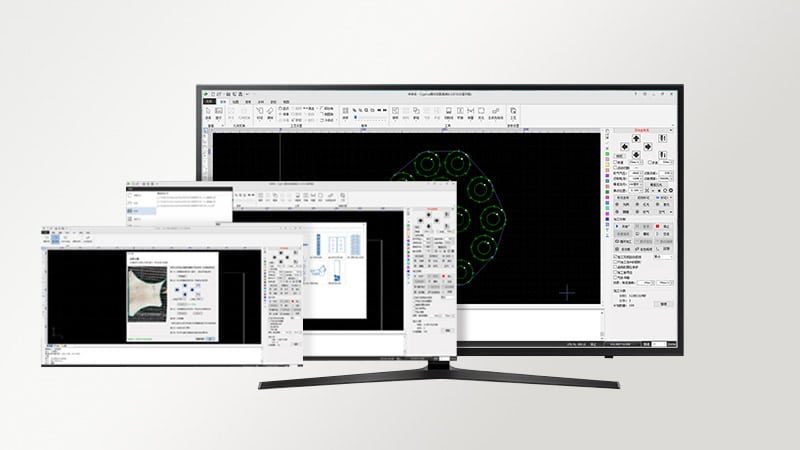
| Control System | Au3tech/Cypcut | ||||||
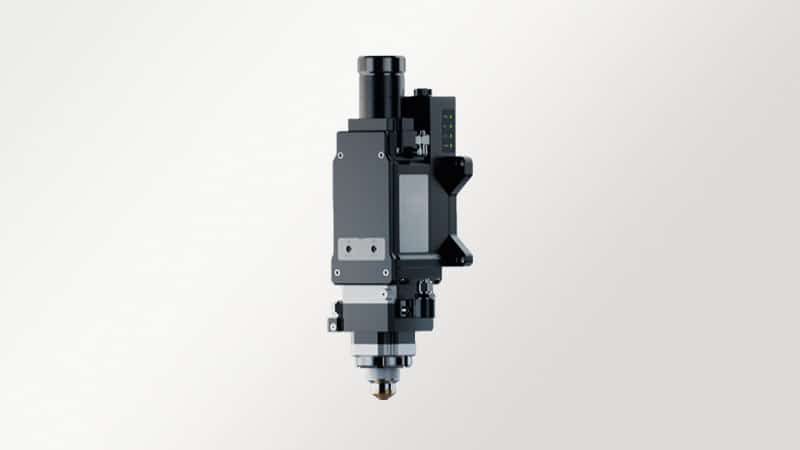
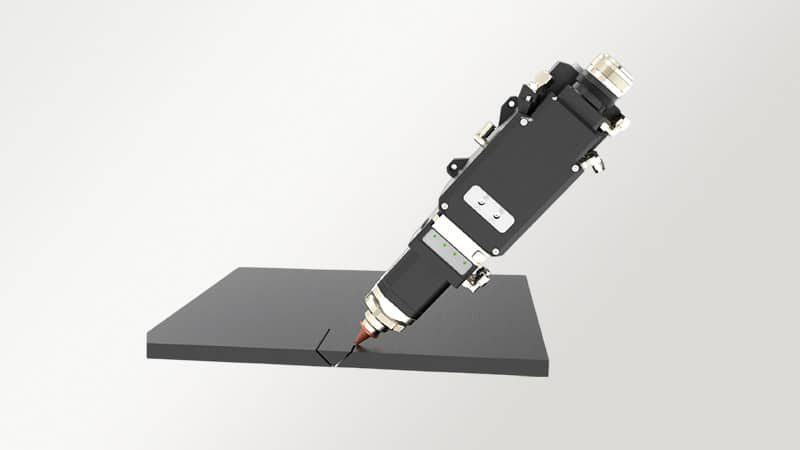
| Laser Cutting Head | Au3tech/Raytools/Boci | ||||||
| Transmission System | Rack Drive | ||||||
| Rack | VASTUN/Apex/YYC | ||||||
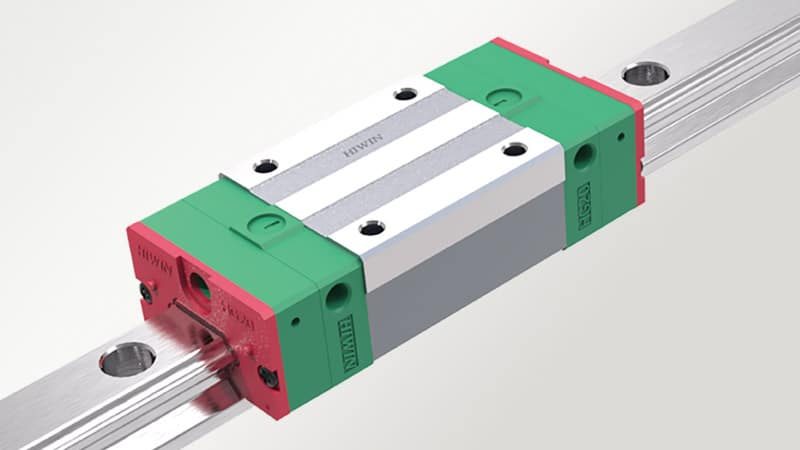
| Guide Rail | HIWIN | ||||||
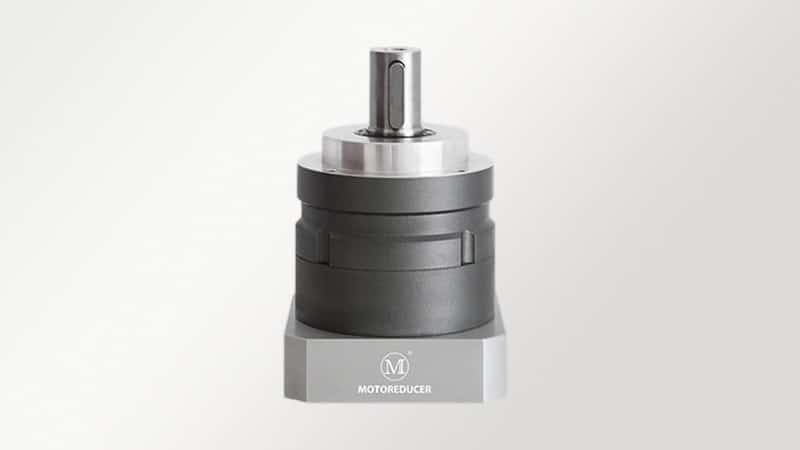
| Gear Reducer | Motoreducer | ||||||
| Ball Screw | TBI | ||||||
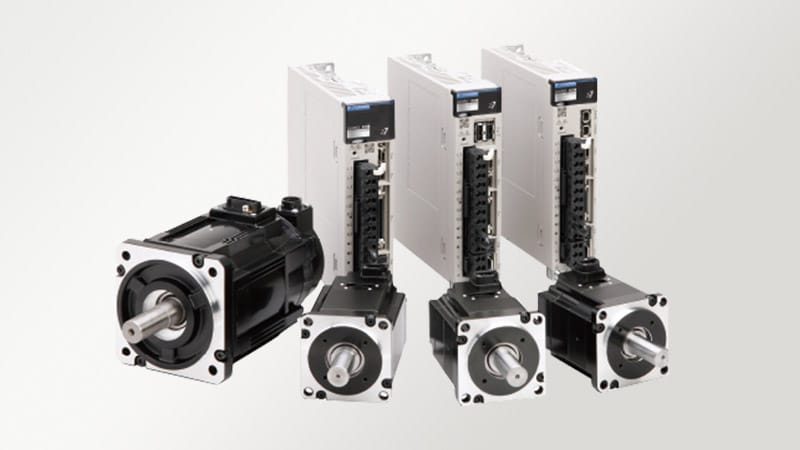
| Servo Motor | Delta/Yaskawa | ||||||
| Electronic Components | Schneider | ||||||
| Pneumatic Components | SMC/AirTAC | ||||||
| Water Chiller | S&A/Hanli | ||||||
| Maximum Moving Speed | 100m/min | ||||||
| Maximum Acceleration | 1.0G | ||||||
| Positioning Accuracy | ±0.01mm | ||||||
| Repeat Positioning Accuracy | ±0.03mm | ||||||
| Voltage and Frequency | 380V 50Hz/60HZ | ||||||
| Comparison Item | Laser Cutting | Plasma Cutting | Waterjet Cutting | Mechanical Cutting |
|---|---|---|---|---|
| Cutting Principle | Focused laser beam melts/vaporizes material | Ionized gas (plasma arc) melts metal | High-pressure water with abrasives erodes material | Physical force using blades/tools |
| Material Compatibility | Metals, some non-metals | Conductive metals only | Almost all materials | Mostly metals and soft materials |
| Cutting Precision | Very high (±0.01–0.05 mm) | Medium (±0.1–0.5 mm) | High (±0.05–0.1 mm) | Low to medium |
| Edge Quality | Smooth, clean, minimal burr | Rougher, requires finishing | Smooth, no heat marks | Often requires deburring |
| Heat-Affected Zone (HAZ) | Very small | Large | None (cold cutting) | None or minimal |
| Cutting Speed | Very fast (especially thin metals) | Fast (thick metals) | Slow to medium | Medium |
| Thickness Capability | Medium to thick (depends on power) | Excellent for thick metals | Excellent for very thick materials | Limited by tool strength |
| Kerf Width | Very narrow | Wider | Medium | Wide |
| Material Deformation | Minimal | Moderate due to heat | None | Possible due to force |
| Automation Capability | Highly automated (CNC/robotic) | Automated | Automated | Semi-automatic or manual |
| Operating Cost | Medium to high (depends on laser type) | Medium | High (abrasives + maintenance) | Low to medium |
| Maintenance Requirements | Moderate (optics, source) | Moderate (consumables) | High (pumps, seals) | Low |
| Environmental Impact | Low emissions, clean process | Produces fumes and gases | No heat, but water disposal needed | Generates chips and noise |
| Noise Level | Low | High | High | Medium |
| Setup Time | Quick | Moderate | Longer setup | Quick |
| Tool Wear | No physical tool wear | Electrode/nozzle wear | Nozzle wear, abrasive usage | High tool wear |
| Ability for Complex Shapes | Excellent (fine details) | Good | Excellent | Limited |
| Secondary Processing Needed | Rarely | Often required | Rarely | Often required |
| Energy Efficiency | High | Medium | Low (high power consumption) | Medium |
| Typical Applications | Precision parts, electronics, automotive | Heavy metal fabrication, shipbuilding | Aerospace, composites, stone cutting | Basic fabrication, construction |
AccTek Laser integrates advanced laser technology into its cutting machines to deliver high precision, stable performance, and efficient cutting results. Their systems use reliable laser sources and optimized control systems, ensuring that operators achieve consistent cuts with minimal material waste. This innovation also helps in enhancing material quality while reducing the risk of thermal damage during the cutting process.
AccTek Laser offers a broad selection of laser cutting machines with different power levels and configurations to suit diverse application requirements. Customers can choose from compact, portable systems for small-scale operations to large industrial machines for high-volume cutting tasks. This makes it easy to find the right solution for cutting metal sheets, plastics, ceramics, and more, ensuring versatility for various industries.
AccTek Laser machines are built using top-quality components sourced from globally recognized suppliers. This includes durable laser sources, cutting-edge scanning systems, and reliable control electronics. By using premium parts, AccTek Laser enhances machine stability, extends service life, and ensures consistent performance under demanding operating conditions, ultimately reducing maintenance needs.
AccTek Laser provides flexible customization options to meet specific customer needs. Machine features like laser power, cutting speed, cooling systems, and automation integration can be tailored to suit different production environments and application requirements. This flexibility ensures that customers achieve optimal cutting performance, productivity, and cost-efficiency.
AccTek Laser offers comprehensive technical support throughout the entire purchase and operation process. Their experienced team assists with machine selection, installation, operation training, and troubleshooting. This level of support helps customers seamlessly adapt to laser cutting technology, ensuring smooth operations and quick issue resolution when necessary.
With years of experience serving customers globally, AccTek Laser provides dependable international service and support. They offer detailed documentation, remote assistance, and responsive after-sales service to help customers maintain their machines and minimize downtime. This ensures that customers can continue their operations with minimal disruptions, enhancing long-term productivity and customer satisfaction.
This article covers the essential safety precautions for operating a CO2 laser cutting machine, from radiation and fire risks to fume extraction, PPE, machine features, and routine maintenance checks.
This article explains how CO2 laser generator wattage from 60W to 600W affects cutting speed, depth, and material capability, and clarifies when higher power delivers real gains and when it
Explore which materials CO2 laser generators cut most effectively, what parameter adjustments each material requires, which materials must be avoided entirely, and how to maintain safe cutting operations across every
This article examines CO2 laser cutting machines, covering how they work, their key advantages and disadvantages, a direct comparison with fiber laser generators, and guidance on when to choose each
The price of a 3000w laser cutting machine can vary significantly based on the brand, model, and optional features. Generally, a standard machine with basic functions typically costs between $18,000 and $65,000. However, more advanced models with enhanced capabilities, larger cutting areas, or higher cutting speeds can range from $14,000 to $55,000.
It’s important to keep in mind that prices fluctuate due to market conditions and specific customization needs. To ensure the best value, it’s advisable to request quotes from multiple suppliers and carefully evaluate factors like machine warranties, after-sales service, and long-term maintenance costs.
At AccTek Laser, we offer competitive pricing and comprehensive customer support. Contact us to learn more about our fiber laser cutting machines and how we can meet your specific requirements.
The 3000w laser cutting machine is highly versatile and can cut a wide range of metals with high precision. Common metals that it can cut include:
The 3000w laser cutting machine is capable of delivering clean cuts with high precision across a variety of metals, making it suitable for both thin and thick sheet cutting in diverse industries.
The material thickness that a 3000w laser cutting machine can cut depends on several factors, including the type of material, the laser source quality, the assist gas used, and the cutting speed and precision settings. Here are general guidelines for the maximum thicknesses that can be cut for different materials:
These thicknesses are estimates and may vary depending on the laser generator, cutting parameters, and material quality. For optimal results, it’s recommended to test with sample materials and consult the manufacturer for precise machine capabilities based on your specific needs.
The cutting speed of a 3000w laser cutting machine can vary depending on factors such as material type, material thickness, laser settings, and assist gas used. However, here are the general cutting speeds for common materials:
As the thickness and hardness of the material increase, the cutting speed typically decreases to maintain the desired quality and precision. The 3000w laser cutting machine is well-suited for thicker materials, offering high-speed cutting on a wide range of metals.
Yes, the 3000w laser cutting machine can be customized based on the specific needs of the customer and the intended application. Common customization options include:
When purchasing a 3000w laser cutting machine, it’s important to discuss these options with the manufacturer or supplier to ensure that the machine meets the specific needs of your business or project.
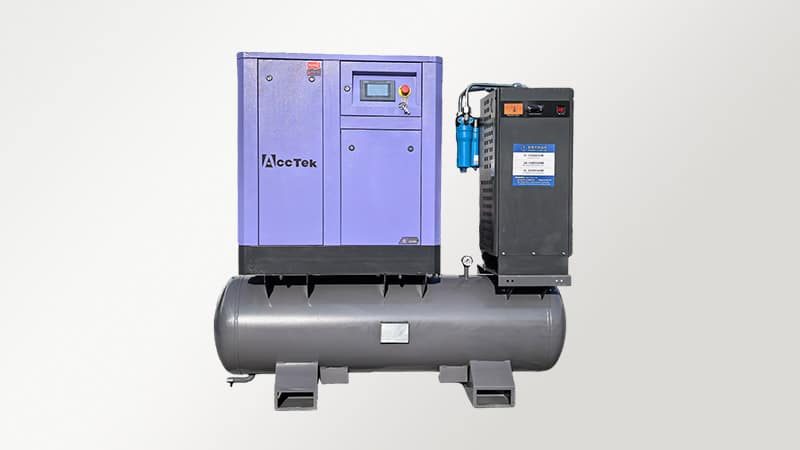
The 3000w laser cutting machine can utilize several different auxiliary gases depending on the type of material being cut, the desired cutting speed, and the quality of the finished cut. These gases play a crucial role in improving cutting efficiency, and surface quality, and reducing the heat-affected zone. Below are the primary auxiliary gases commonly used:
The most common auxiliary gases for a 3000w laser cutting machine include oxygen, nitrogen, compressed air, and argon, with each gas offering distinct benefits depending on the material, thickness, and cutting requirements. Oxygen is most often used for cutting mild steel, nitrogen for stainless steel and non-ferrous metals, and argon for specialized cutting of metals like aluminum and brass.
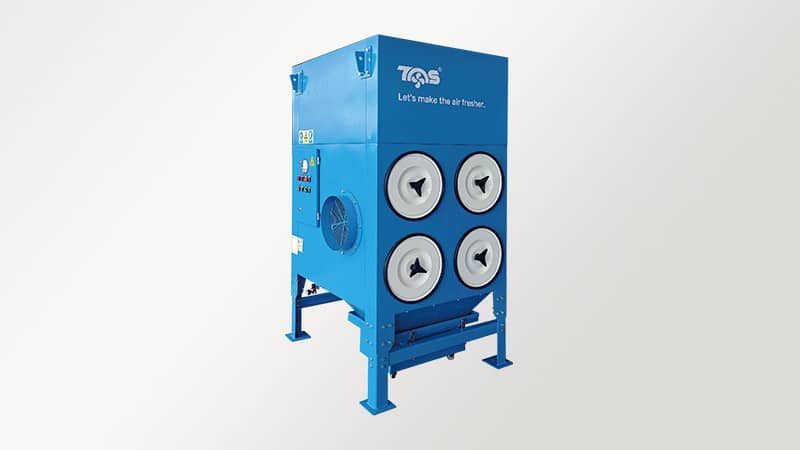
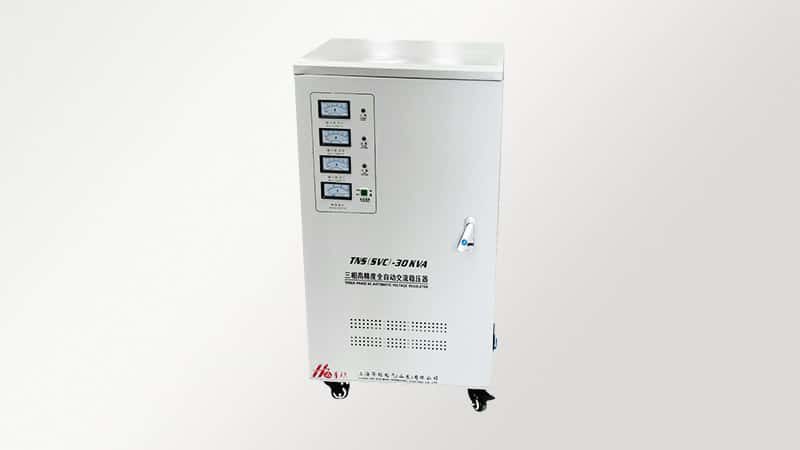
Operating a 3000w laser cutting machine requires adherence to certain environmental conditions to ensure optimal performance, safety, and efficiency. These environmental requirements include temperature control, ventilation, humidity levels, and dust management, among others. Below are the key environmental factors that need to be considered:
For optimal operation of a 3000w laser cutting machine, a controlled environment is essential. Maintaining appropriate temperature, ventilation, humidity levels, and cleanliness ensures both cut quality and machine longevity. Additionally, environmental considerations like noise levels, power supply, and safety must be addressed to comply with regulations and create a safe, efficient workspace. Proper environmental conditions ultimately enhance machine performance and contribute to the overall success of the laser cutting process.
Our laser cutting machine is backed by a comprehensive warranty designed to give you peace of mind and protect your investment:
Please note that this warranty excludes damage resulting from improper use, mishandling, or other artificial causes.
4 reviews for 3000W Laser Cutting Machine
Paula –
I use this machine regularly, and it’s been easy to handle. The controls are simple, and I can adjust things quickly when needed. The machine feels stable, and the cuts come out clean most of the time. I don’t have to spend much time fixing edges afterward. It also runs smoothly without sudden stops. That makes my work less stressful during busy days. It’s a reliable machine that helps me stay focused on the job instead of worrying about problems.
Quentin –
We’ve been running this machine in our facility for some time now, and it has been dependable. The structure is strong, and it handles continuous work without issues. The results are consistent, which helps us meet our standards. My team adapted to it quickly, which reduced downtime during setup. It also fits well with our existing workflow. Overall, it’s a solid machine that supports steady production without adding extra complications.
Rosa –
Since adding this machine, I’ve noticed that planning jobs has become easier. It runs reliably, so we don’t have to worry about unexpected delays. The cutting quality stays consistent, even during busy periods. My team doesn’t report many problems, which helps keep things running smoothly. It also fits well into our current process. It’s not overly complex, which makes it easier to manage daily. It’s a helpful addition that supports steady operations.
Oliver –
We added this machine to improve consistency, and it has done that well. The motion system is smooth, and positioning remains accurate even during repeat jobs. The laser output is stable, which helps maintain quality across batches. I’ve checked the results, and they stay within our expected range. It also runs well during longer shifts without performance drops. The system is easy to manage, which helps the team handle it without issues. It’s a practical solution for maintaining steady production quality.