


















Materials That Cannot Be Cut by Laser Cutting Machines
This guide identifies materials that should never be laser cut due to safety hazards or poor quality outcomes, explains why, and recommends safer alternative cutting methods for each.
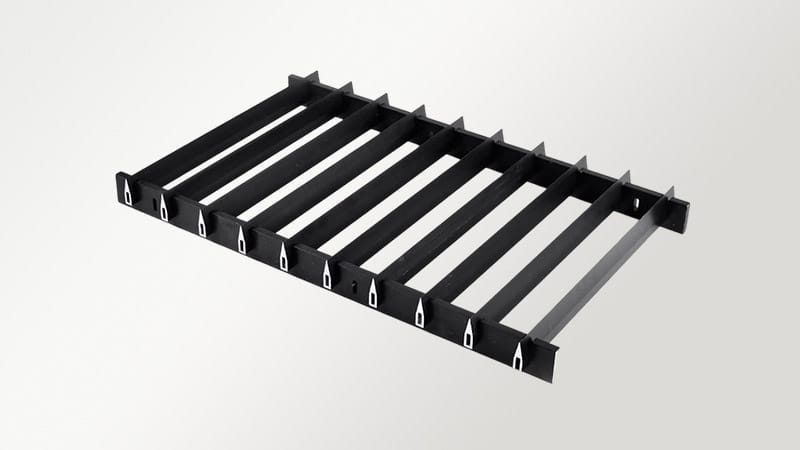
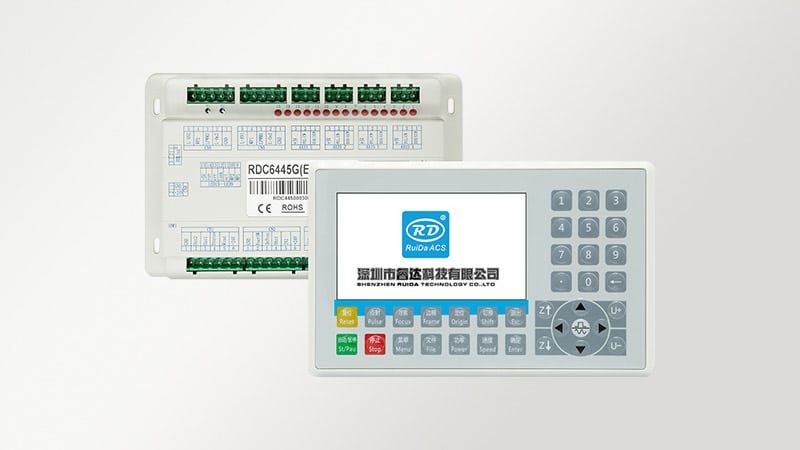
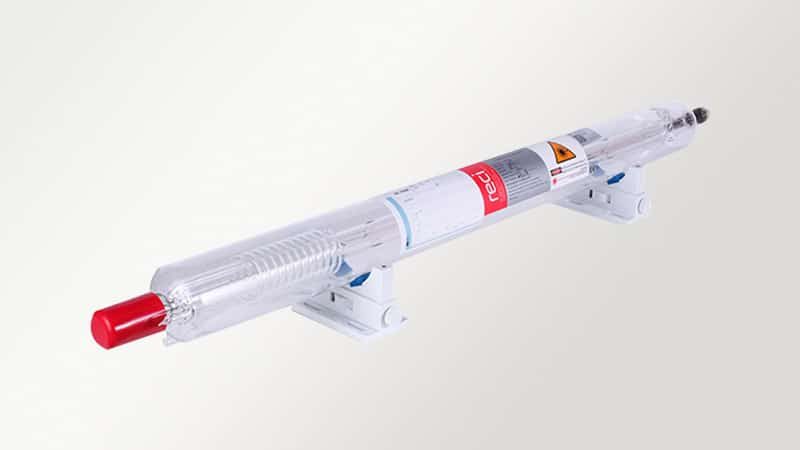
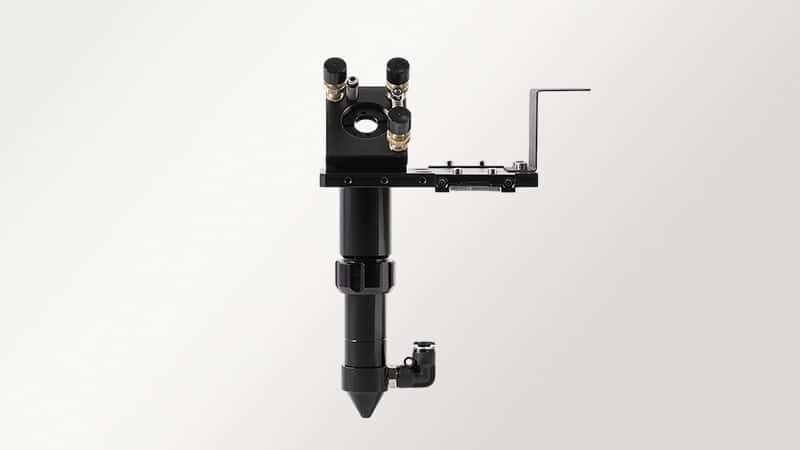
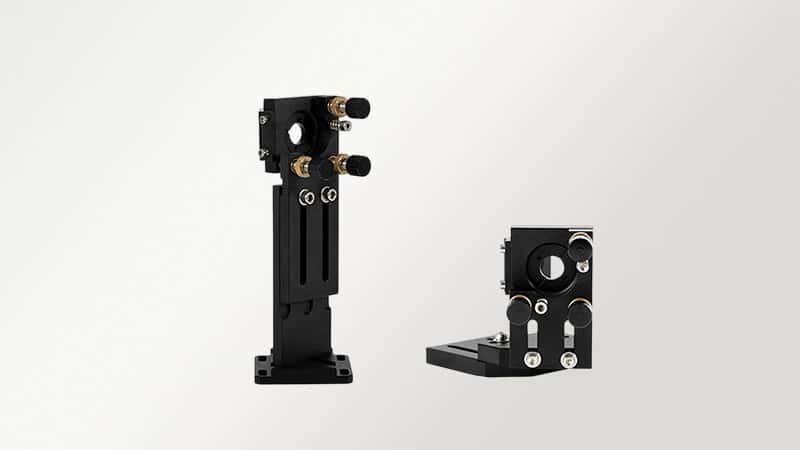
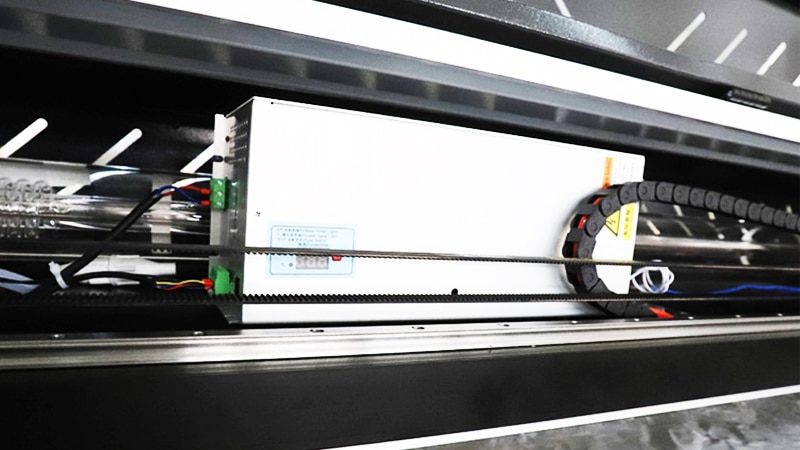
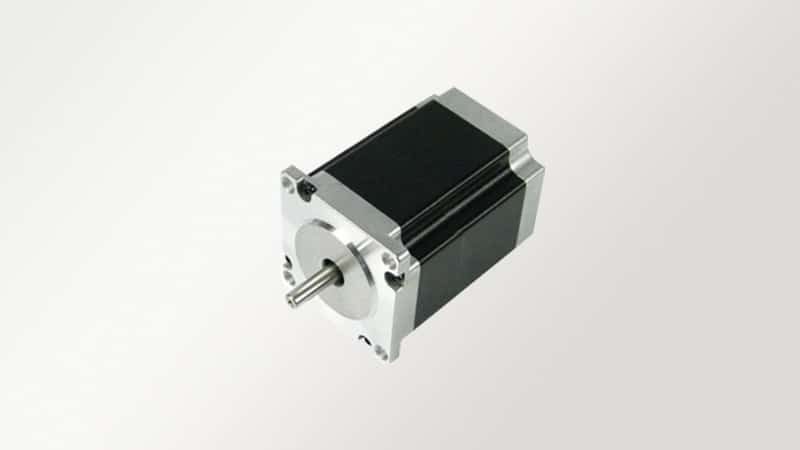
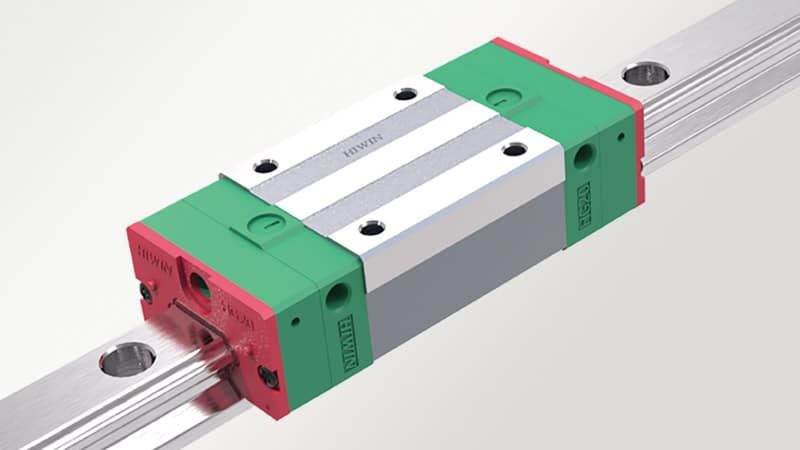
| Model | AKJ6040 | AKJ9060 | AKJ1390 | AKJ1610 | AKJ1318 | AKJ1325 | AKJ1530 |
|---|---|---|---|---|---|---|---|
| Cutting Range | 600*400mm | 900*600mm | 1300*900mm | 1600*1000mm | 1300*1800mm | 1300*2500mm | 1500*3000mm |
| CO2 Laser Power | 80-600W | ||||||
| CO2 Laser Tube | Reci/Yongli/SLW/EFR | ||||||
| Transmission System | Belt Drive | ||||||
| Linear Guide Rail | HIWIN | ||||||
| Motor Type | Stepper Motor | ||||||
| Control System | RuiDa | ||||||
| Min line width | ≤0.15mm | ||||||
| Position accuracy | 0.01mm | ||||||
| Repetition accuracy | 0.02mm | ||||||
| Max Cutting speed | 150mm/s | ||||||
| Max Engraving Speed | 300mm/s | ||||||
| Voltage and Frequency | 220v/50HZ, 110V/60HZ | ||||||
| Graphic Format | PLT, DXF, BMP, JPG, AI, etc | ||||||
| Working Environment | 0-45℃ | ||||||
| Operating Humidity | 5-95% | ||||||
| Comparison Item | Laser Cutting | CNC Routing | Oscillating Knife Cutting | Waterjet Cutting |
|---|---|---|---|---|
| Cutting Principle | Uses a focused laser beam to cut PVC through heat energy | Uses a rotating router bit to remove material | Uses a vibrating blade to slice the material | Uses high-pressure water, sometimes with abrasive |
| Cutting Accuracy | High accuracy for thin sheets and detailed designs | Good accuracy, but affected by tool diameter and wear | Good for simple shapes, less suitable for fine details | High accuracy, but setup and water pressure affect results |
| Edge Quality | Smooth edges are possible, but poor settings may cause melting or discoloration | Clean mechanical edge, but tool marks or burrs may appear | Clean edge on soft and flexible PVC | Smooth edge, but parts may need drying and cleaning |
| Heat Effect | Produces heat, so PVC requires careful parameter control | No thermal damage | No thermal damage | Almost no thermal damage |
| Fume Control | Requires strong exhaust and filtration because PVC cutting can release harmful fumes | Mainly produces chips and dust | Produces little dust and no heat fumes | Produces wet waste and possible slurry |
| Suitable Thickness | Best for thin PVC sheets and detailed work | Suitable for thin to thick rigid PVC boards | Best for thin and flexible PVC sheets | Suitable for thicker PVC plates |
| Cutting Speed | Fast for thin sheets and complex patterns | Fast for straight cuts and heavy material removal | Fast for soft sheet cutting | Slower for small detailed parts and complex setup |
| Detail Cutting | Excellent for small holes, curves, and fine graphics | Limited by router bit diameter | Limited by blade size and turning radius | Good, but very small details can be difficult |
| Kerf Width | Very narrow cutting gap | Wider kerf due to tool size | Narrow kerf | Narrow to medium kerf |
| Tool Wear | No physical cutting tool contacts the material | Router bits wear and need replacement | Blades wear and need replacement | Nozzle, seals, and pump parts wear over time |
| Burr Formation | Usually low, but melted edges may appear if settings are wrong | Burrs may appear and require deburring | Low burr formation on flexible PVC | Low burr formation, but wet edges may need cleaning |
| Material Fixing | Simple for flat sheets, often using honeycomb or vacuum support | Requires firm clamping or vacuum holding | Requires stable flat support | Requires water-resistant support and anti-movement control |
| Setup Time | Short setup after laser parameters are prepared | Requires tool selection, clamping, and speed adjustment | Simple setup for sheet materials | Longer setup due to water pressure and tank preparation |
| Dust And Waste | Low solid waste, but smoke and gas must be managed | Produces PVC chips and dust | Very little waste | Produces water, slurry, and possible abrasive waste |
| Noise Level | Relatively quiet, but exhaust system adds noise | High noise from spindle and cutting action | Low to medium noise | High noise from pump and waterjet stream |
| Maintenance Needs | Laser optics, exhaust, filters, and motion parts need regular care | Router bits, spindle, dust system, and guide rails need care | Blades, cutting mat, and drive system need care | Pump, nozzle, seals, water system, and abrasive system need care |
| Operating Cost | Low tool cost, but ventilation and filtration increase cost | Medium cost due to bit wear and dust handling | Low cost for soft PVC sheet cutting | Higher cost due to pump power, water, parts, and abrasive |
| Production Flexibility | Easy to switch designs by changing digital files | Flexible, but tool changes may be needed | Flexible for soft sheet cutting | Flexible, but setup is more complex |
| Best Applications | Thin PVC sheets, signs, templates, labels, and detailed shapes | Rigid PVC boards, grooves, panels, and thicker parts | Flexible PVC films, sheets, gaskets, and simple profiles | Thick PVC plates or projects where heat must be avoided |
| Main Limitation | PVC laser cutting needs strict fume extraction and safety control | Tool marks, dust, vibration, and bit wear | Not ideal for thick or hard PVC | Higher machine cost, wet processing, and slower setup |

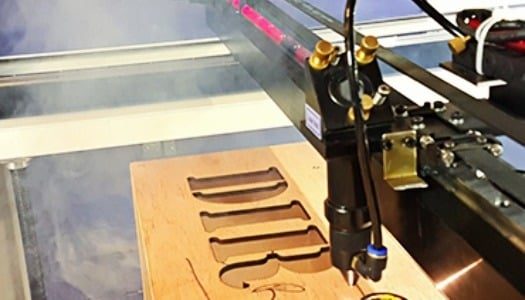
AccTek Laser integrates advanced laser technology into its cutting machines to deliver high precision, stable performance, and efficient cutting results. Their systems use reliable laser sources and optimized control systems, ensuring that operators achieve consistent cuts with minimal material waste. This innovation also helps in enhancing material quality while reducing the risk of thermal damage during the cutting process.
AccTek Laser offers a broad selection of laser cutting machines with different power levels and configurations to suit diverse application requirements. Customers can choose from compact, portable systems for small-scale operations to large industrial machines for high-volume cutting tasks. This makes it easy to find the right solution for cutting metal sheets, plastics, ceramics, and more, ensuring versatility for various industries.
AccTek Laser machines are built using top-quality components sourced from globally recognized suppliers. This includes durable laser sources, cutting-edge scanning systems, and reliable control electronics. By using premium parts, AccTek Laser enhances machine stability, extends service life, and ensures consistent performance under demanding operating conditions, ultimately reducing maintenance needs.
AccTek Laser provides flexible customization options to meet specific customer needs. Machine features like laser power, cutting speed, cooling systems, and automation integration can be tailored to suit different production environments and application requirements. This flexibility ensures that customers achieve optimal cutting performance, productivity, and cost-efficiency.
AccTek Laser offers comprehensive technical support throughout the entire purchase and operation process. Their experienced team assists with machine selection, installation, operation training, and troubleshooting. This level of support helps customers seamlessly adapt to laser cutting technology, ensuring smooth operations and quick issue resolution when necessary.
With years of experience serving customers globally, AccTek Laser provides dependable international service and support. They offer detailed documentation, remote assistance, and responsive after-sales service to help customers maintain their machines and minimize downtime. This ensures that customers can continue their operations with minimal disruptions, enhancing long-term productivity and customer satisfaction.
This guide identifies materials that should never be laser cut due to safety hazards or poor quality outcomes, explains why, and recommends safer alternative cutting methods for each.

This guide covers all materials that CO2 and fiber laser cutting machines can process, explains how wavelength determines compatibility, and helps you choose the right laser generator for your application.

This article covers the essential safety precautions for operating a CO2 laser cutting machine, from radiation and fire risks to fume extraction, PPE, machine features, and routine maintenance checks.

This article explains how CO2 laser generator wattage from 60W to 600W affects cutting speed, depth, and material capability, and clarifies when higher power delivers real gains and when it
Yes, laser cutting machines can be used to cut PVC (polyvinyl chloride) material. CO2 laser generators are very suitable for cutting PVC because they can effectively absorb the infrared light emitted by CO2 laser generators. The energy of the laser beam vaporizes or melts the PVC material at the point of contact, allowing precise cuts.
However, when laser cutting PVC, toxic fumes and particles are produced, which may contain chlorine gas. Proper ventilation and scheduling systems help ensure that fumes are removed and a safe working environment is maintained for the operator.
When proper safety precautions are taken and the proper settings are used, laser cutting machines can effectively cut PVC materials, delivering precise, clean results for a variety of applications. Always refer to your machine’s owner’s manual and safety guidelines provided by the manufacturer when working with specific materials like PVC.
Yes, cutting PVC (polyvinyl chloride) with a laser can cause a fire. PVC is a plastic that emits toxic fumes and can catch fire when exposed to high temperatures. When using a laser to cut PVC, the intense heat generated by the laser can cause the material to melt, releasing harmful chemicals and possibly igniting.
When PVC is burned, it releases chlorine gas and other toxic by-products, which are harmful to the environment and human health. Laser-cutting PVC releases corrosive chlorine gas that can cause respiratory irritation or other health problems if inhaled. Additionally, molten PVC can stick to laser-cutting equipment or surrounding surfaces, increasing the risk of fire.
To mitigate these risks, proper ventilation and safety measures should be taken when laser cutting PVC. Laser cutting machines are operated in a well-ventilated area with a proper exhaust system to ensure proper capture and removal of fumes and gases. Personal protective equipment (PPE), such as respirators, should also be used to minimize exposure to potentially harmful emissions.
If you are considering laser-cutting PVC, be sure to research and follow all safety guidelines provided by the laser-cutting machine manufacturer, as well as any relevant safety regulations, to minimize the fire and health risks associated with the process.
Yes, laser cutting PVC (polyvinyl chloride) releases harmful fumes and fumes. PVC is composed of chlorine and other chemicals, and when heated or vaporized during laser cutting, it emits chlorine-containing compounds and other toxic substances into the air. These emissions may include hydrogen chloride gas (HCl) and other volatile organic compounds (VOCs), which may be a health hazard if inhaled.
The release of these gases is of particular concern in poorly ventilated environments as they can build up and pose a health risk. Inhaling chlorine and hydrogen chloride fumes can cause respiratory irritation, coughing, and other health problems. Beyond the immediate health effects, there are more serious consequences of long-term exposure to these gases. Additionally, these emissions can corrode equipment and machinery, potentially causing damage over time.
To reduce the risks associated with using lasers to cut PVC, it is important to implement proper safety measures. Here are some precautions:
While laser cutting PVC releases toxic fumes, implementing proper ventilation, filtration, and safety measures can help minimize the release of harmful gases and particles. Additionally, consulting with manufacturers of PVC materials and laser-cutting machines can provide valuable insight into best practices for minimizing the risks associated with cutting PVC.
Laser cutting PVC (polyvinyl chloride) presents some disadvantages and challenges due to the nature of the material and the process involved. Some of the major disadvantages of laser cutting PVC include:
Given these drawbacks and challenges, it is imperative to thoroughly evaluate the risks and benefits before deciding to laser-cut PVC. If PVC cutting is required, strict adherence to safety guidelines, proper ventilation, and proper laser setup can help minimize risk and keep the operator and surrounding environment safe.
Cutting PVC (polyvinyl chloride) with a laser does present challenges due to the nature of the material and the nature of the laser itself. Here are some of the reasons why it is difficult for lasers to effectively cut PVC materials:
To overcome these challenges and achieve better results when cutting PVC, it may be necessary to adjust laser parameters such as power, speed, and focus, and to consider specialized equipment or techniques that help manage heat and fume emissions. Additionally, it is critical to employ proper ventilation and safety measures when working with PVC or any other material that emits potentially dangerous fumes during the laser cutting process.
To successfully cut PVC (polyvinyl chloride) with a laser, several factors and steps need to be considered to achieve a clean, precise, and safe cut. Here is a detailed overview of what needs to be done:
By carefully considering these factors and following the proper steps, you can ensure successful laser cutting of PVC while remaining safe and achieving the desired cut quality. Remember that special attention to ventilation and fume extraction is required when cutting PVC as harmful fumes may be released.
When laser cutting PVC, several safety precautions must be taken due to the potentially hazardous nature of the process. Here are some basic security measures:
By following these safety precautions, you can minimize the risks associated with laser-cutting PVC and create a safer working environment for your operators. Always put safety first and ensure all personnel are aware of potential hazards and how to mitigate them.
Yes, there are some environmental considerations associated with laser cutting PVC material due to the nature of PVC and the process itself:
Addressing these environmental issues requires a combination of technological solutions, such as pollution control systems and waste management practices, as well as organizational initiatives that promote sustainable practices and responsible resource use in laser-cutting operations.
4 reviews for PVC Laser Cutting Machine
Pablo –
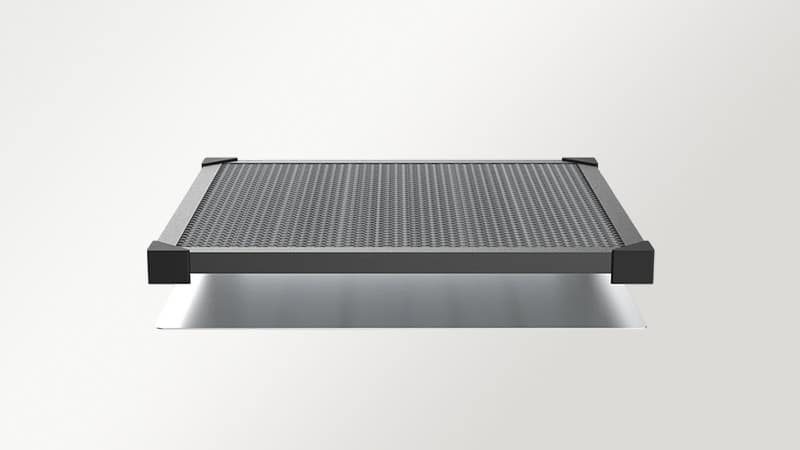
I’ve been using this CO2 laser cutting machine in my sign workshop for a few months, and it has been reliable so far. The cutting head produces clean edges on acrylic and wood, which reduces the need for extra finishing. The aluminum strip worktable helps avoid burn marks on the back, which improves the final look of our products. The control system is simple to use, and switching between jobs is quick. The machine runs smoothly with low noise, which makes the workspace more comfortable. It’s a practical choice for daily production without unnecessary complications.
Rosa –
I run a small craft store, and this CO2 laser cutting machine has helped me expand my product line. The machine is easy to use, even without a technical background. The cutting head is precise, and the edges come out clean on wood and acrylic. I also like how consistent the results are, which helps reduce wasted materials. The machine runs quietly and feels stable during operation. It has been reliable for daily use and supports both custom orders and small batch production.
Quinn –
We use this machine mainly for prototyping, and it has been very helpful in our process. The control system allows quick adjustments, which is useful when testing different materials. The laser tube provides a stable output, so the results stay consistent across multiple runs. I also like how smooth the guide rail movement is, since it helps maintain accuracy. The machine feels solid during operation and doesn’t require much maintenance. It’s a dependable tool for both testing and small production batches.
Stefan –
From an operator’s point of view, this machine is straightforward and dependable. The stepper motor provides accurate movement, which is important for repeat jobs. The guide rails move smoothly, and there is no noticeable vibration during cutting. The control system responds well, and we don’t run into many issues. It’s a practical machine that handles regular production work without adding complexity. It has been consistent during long shifts.