

















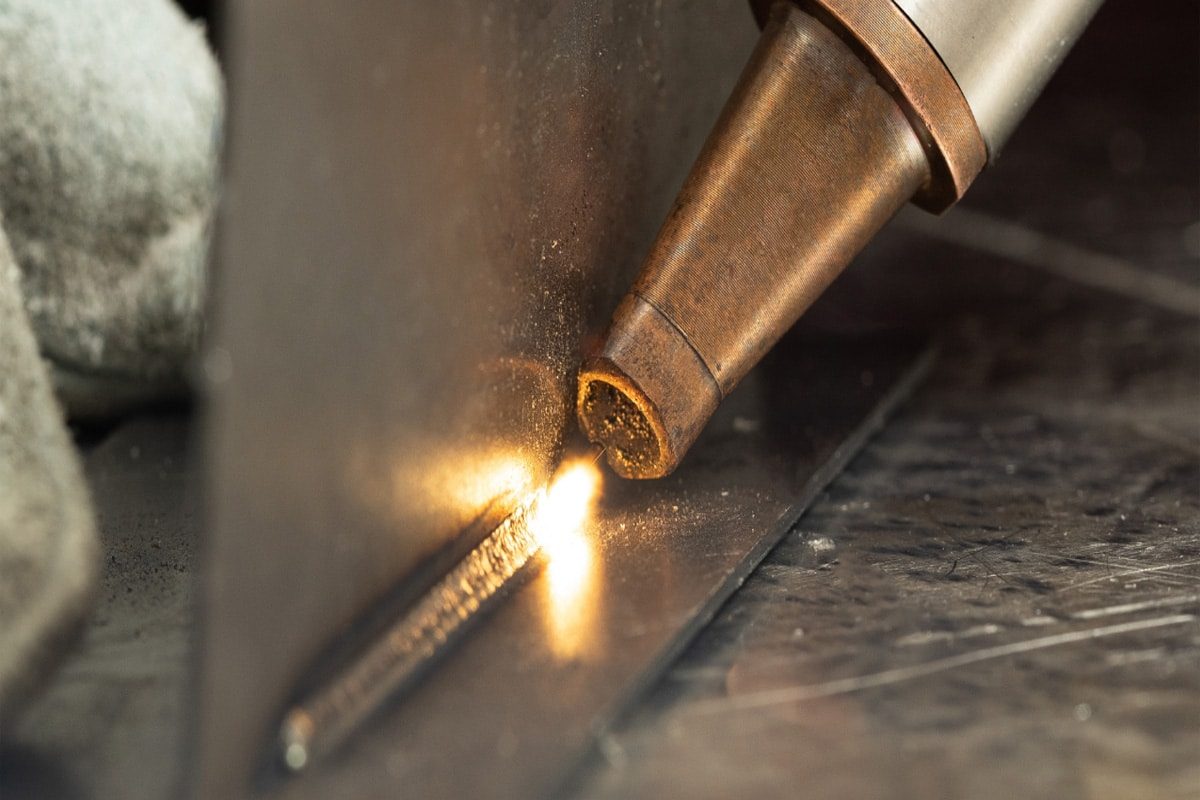
Continuous Wave vs. Pulsed laser welding: A Complete Technical Comparison Guide
Laser welding has established itself as one of the most precise, versatile, and industrially capable joining technologies available to modern manufacturers. Across sectors ranging from automotive and aerospace to medical devices, electronics, jewelry, and precision instrumentation, laser welding delivers a combination of speed, accuracy, minimal heat-affected zone, and repeatable quality that conventional arc welding, resistance welding, and other thermal joining methods simply cannot match for a growing range of applications. As laser welding technology has matured and system costs have become more accessible, more organizations than ever are evaluating it as a solution for their joining challenges — and one of the first and most consequential decisions they face is choosing between the two fundamental operating modes: continuous wave laser welding and pulsed laser welding.
These two modes represent fundamentally different approaches to delivering laser generator energy to the weld joint. Continuous wave (CW) laser welding delivers a steady, uninterrupted beam of laser generator energy to the workpiece for the duration of the weld, producing a high average power density that drives rapid, deep-penetration keyhole welding at high travel speeds. Pulsed laser welding, by contrast, delivers energy in discrete, precisely timed bursts — each pulse depositing a controlled quantity of energy over a defined duration before the beam is extinguished or significantly reduced, allowing the weld pool to partially or fully solidify before the next pulse arrives. These different energy delivery strategies produce profoundly different thermal conditions at the weld joint, with cascading consequences for weld geometry, microstructure, residual stress, heat-affected zone dimensions, distortion, and the range of materials and joint configurations that can be successfully welded.
Understanding the strengths, limitations, and application domains of each mode is essential for engineers and procurement specialists evaluating laser welding systems. Choosing the wrong mode for a given application can result in unacceptable weld quality, excessive thermal distortion, premature equipment failure, or unnecessary capital expenditure on capabilities that are never used. Choosing the right mode — informed by a rigorous understanding of the physics of each process and the specific requirements of the application — delivers reliable, high-quality welds at the lowest possible cost and with the greatest process robustness.
Table of Contents
Understanding Continuous Wave (CW) laser welding
Continuous wave laser welding and pulsed laser welding represent two fundamentally different philosophies of energy delivery, each optimized for a distinct class of welding applications. Before comparing them directly, it is essential to understand each mode on its own terms — its operating principles, the physical mechanisms that govern its behavior, and the application contexts in which it excels. This section provides a comprehensive overview of continuous wave laser welding, examining how it works at the physics level, what advantages and limitations it carries into industrial practice, and which industries and application types consistently benefit from its unique capabilities.
What Is Continuous Wave laser welding?
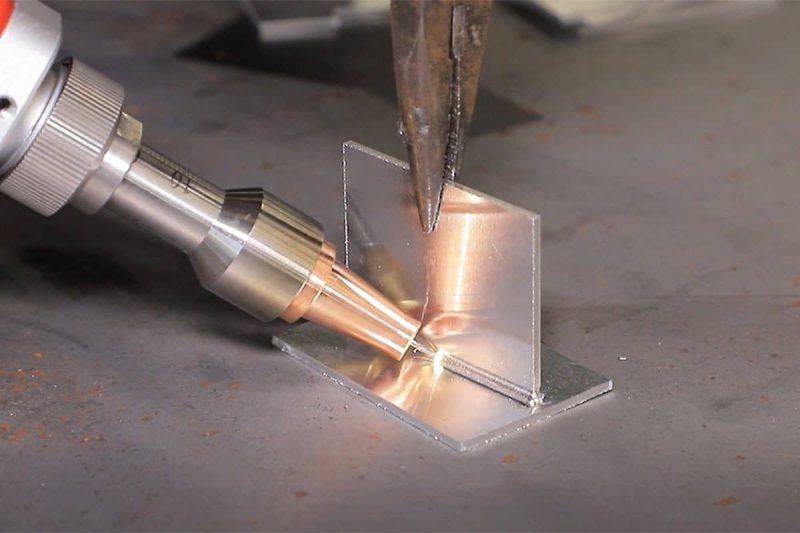
Continuous-wave laser welding is a process in which a laser beam operates at a constant, continuous output power throughout the entire welding operation. The laser source—whether a fiber, CO2, disk, or semiconductor laser generator—maintains a steady emission of photons, thereby generating an uninterrupted beam; this beam is focused onto the workpiece surface to form a minute spot, which then traverses the weld joint at a controlled speed.
At the power densities typical of industrial CW laser welding — generally above 10000000 watts per square centimeter at the focal spot — the laser generator energy is absorbed so rapidly by the workpiece material that the surface temperature exceeds the boiling point of the metal almost instantaneously. The resulting vapor pressure from the evaporating metal creates a recoil pressure on the melt pool surface that depresses the liquid metal and forms a narrow, deep vapor-filled cavity known as a keyhole. This keyhole, stabilized by the dynamic balance between vapor pressure and surface tension of the surrounding melt pool, acts as a highly efficient energy trap — absorbing laser generator radiation through multiple internal reflections and enabling the laser generator to couple its energy deep into the material rather than just at the surface. Keyhole mode welding enables aspect ratios (depth-to-width ratios) of 5:1 or higher, producing narrow, deep welds with minimal heat input per unit weld volume.
As the laser generator beam and keyhole advance along the joint, molten metal flows around the keyhole from the front of the melt pool to the rear, where it solidifies rapidly to form the completed weld bead. The high travel speeds enabled by continuous high-power delivery — ranging from meters per minute in thin sheet welding to several tens of meters per minute in high-speed scanner welding applications — mean that the total heat input per unit length of weld can be very low despite the high instantaneous power, resulting in narrow heat-affected zones and minimal distortion for a given weld penetration depth.
Advantages of Continuous Wave laser welding
The primary advantage of CW laser welding is speed. Because energy is delivered continuously without interruption, the welding process can proceed at the highest possible travel velocity consistent with achieving the required penetration depth and bead geometry. For applications requiring long, straight welds or high-volume production of simple joints, CW laser welding can achieve throughput rates that are an order of magnitude or more higher than pulsed processes.
The “continuous keyhole mode” characteristic of continuous-wave welding also enables it to achieve extremely deep, single-pass penetration. By utilizing high-power continuous-wave fiber lasers, achieving a weld depth of 10 millimeters—or even deeper—in steel has become a routine operation; furthermore, when employing equipment representing the highest power class currently available on the market, penetration depths can reach as much as 20 to 30 millimeters. This capability for deep, single-pass penetration eliminates the need for multi-pass filling in numerous thick-plate welding applications, thereby significantly reducing overall welding time and lowering costs compared to traditional arc welding processes.
CW laser welding is also highly compatible with automation and robotic integration. The continuous, steady-state nature of the process makes it well-suited to integration with robotic arms, gantry systems, and scanner-based remote welding heads, enabling high-speed, high-precision welding in complex three-dimensional configurations with minimal human intervention. The deterministic relationship between laser generator power, travel speed, and weld geometry in CW keyhole welding simplifies process parameter development and enables robust process monitoring and control.
From an equipment perspective, high-power continuous-wave fiber lasers—currently the dominant technology in the field of industrial continuous-wave laser welding—boast exceptionally high electro-optical conversion efficiency (typically ranging from 30% to 45%), superior beam quality, and outstanding reliability coupled with extended maintenance intervals. In most modern continuous-wave laser systems, the laser beam is transmitted via optical fiber; this provides immense flexibility regarding the spatial configuration of the laser source relative to the welding station, while simultaneously simplifying the complexity of beam path planning within sophisticated robotic integration systems.
Disadvantages of Continuous Wave laser welding
The principal limitation of CW laser welding is the high and continuous heat input it delivers to the workpiece. While the focused beam and high travel speed keep the total heat-affected zone narrow compared to arc welding, the sustained thermal energy of the CW process still generates peak temperatures in the keyhole region that far exceed the material’s boiling point, and the rapid temperature excursion through the heat-affected zone can cause microstructural changes — including grain coarsening, carbide precipitation in stainless steels, and liquation cracking in aluminum alloys — that degrade the mechanical properties of the weld and heat-affected zone relative to the base material.
For thermally sensitive materials — including thin foils, dissimilar metal combinations with widely different melting points, heat-sensitive electronic components, and materials prone to hot cracking — the inability to interrupt the energy delivery during CW welding is a fundamental limitation. The high peak power density of CW keyhole welding also makes it difficult to apply to very thin materials (below approximately 0.1 to 0.2 millimeters) without burning through or causing excessive melt expulsion.
CW laser welding also requires precise, consistent joint fit-up. The narrow, focused beam of a CW keyhole weld has little tolerance for gap variation along the joint — a gap that exceeds approximately 10% to 15% of the material thickness can cause incomplete fusion or melt-through. This tolerance requirement imposes demands on part preparation, fixturing, and dimensional consistency that add to the total cost of the welding operation.
Industrial Applications of CW laser welding
Continuous wave laser welding is the dominant process for high-volume, high-speed welding applications across the automotive, heavy industrial, and energy sectors. Automotive body-in-white manufacturing uses CW fiber laser welding extensively for joining roof panels, door assemblies, tailgate structures, and underbody components at speeds of several meters per minute with very low distortion. Powertrain components — including gear assemblies, torque converters, differential housings, and electric motor stator laminations — are welded using CW laser generators for their ability to produce deep, narrow, high-integrity welds in a single pass.
In the energy sector, CW laser welding is used for the fabrication of battery cells and modules for electric vehicles and grid energy storage, pipeline components, pressure vessel assemblies, and heat exchangers. The high throughput and low distortion of CW laser welding make it well-suited to the large production volumes and tight dimensional tolerances of these applications.
Continuous wave laser welding is defined by its ability to deliver sustained, high-average-power energy to the weld joint, maintaining a stable keyhole that enables deep penetration, high travel speed, and excellent productivity on materials with good laser generator weldability. Its strengths — speed, depth, automation compatibility, and equipment efficiency — make it the natural choice for high-volume industrial applications where throughput and cost-per-weld are the primary decision drivers. Its limitations — reduced thermal controllability, sensitivity to joint fit-up variation, and challenges with thermally sensitive or highly reflective materials — define the boundaries within which it performs optimally and beyond which pulsed laser welding may be the superior alternative. For any application where thick sections must be joined at high speed with consistent quality in a production environment, CW laser welding represents the state of the art.
Understanding Pulsed Laser Welding
Where continuous wave laser welding is optimized for sustained, high-throughput production, pulsed laser welding occupies a complementary space defined by precision, control, and the ability to weld materials and geometries that CW processes cannot reliably address. This section examines pulsed laser welding in the same depth as the preceding CW analysis — exploring its operating principles, the physical mechanisms that distinguish it from continuous wave processes, the advantages that make it indispensable in certain application domains, the limitations that define its boundaries, and the industries that depend on it for their most demanding joining requirements.
What Is Pulsed laser welding?
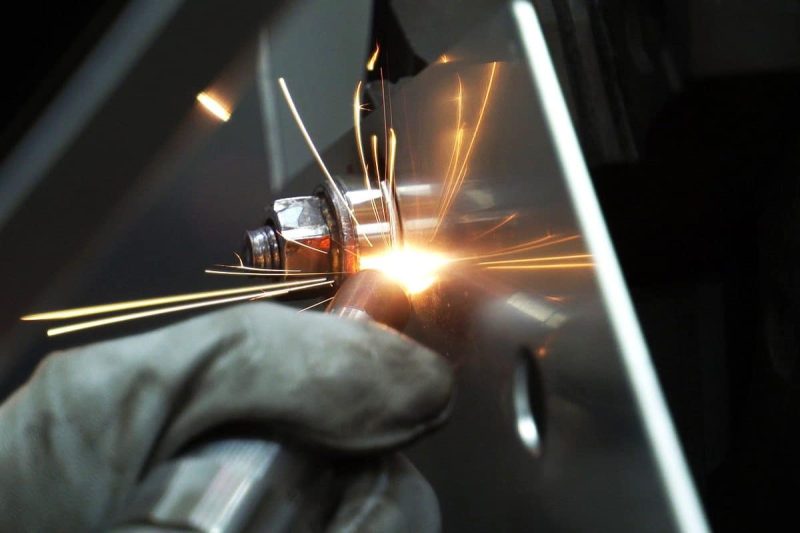
Pulsed laser welding is a process in which the laser generator beam delivers energy in discrete pulses — each pulse having a defined duration (pulse width), peak power, and repetition rate (frequency) — rather than as a continuous output. Between pulses, the beam power drops to zero or to a very low standby level, allowing the weld pool to cool and partially or fully solidify before the next pulse arrives. The shape of the individual pulse — its temporal power profile, which may be square, ramped, spiked, or programmed as a complex waveform — is a critical process parameter that significantly influences the thermal history of the weld and the resulting weld quality.
In pulsed laser welding, each individual pulse forms a small, discrete weld nugget or “spot weld” on the joint surface. When pulses are delivered with sufficient overlap — that is, when the travel distance between consecutive pulse positions is less than the diameter of the weld nugget formed by each pulse — the overlapping nuggets merge to form a continuous seam weld. The degree of pulse overlap, which is determined by the pulse repetition rate and the travel speed (or the step-over distance in a stationary stitch welding configuration), controls the effective heat input per unit length of weld and is a key parameter for balancing weld quality with heat input and throughput.
The most common laser sources employed for pulsed laser welding include Nd: YAG lasers (encompassing both flashlamp-pumped and diode-pumped solid-state varieties), pulsed fiber lasers, and pulsed disk lasers. Operating at average power levels ranging from hundreds to thousands of watts, these sources are capable of delivering peak pulse powers spanning from thousands to tens of thousands of watts—thereby achieving an exceptionally high peak-to-average power ratio, which constitutes the defining characteristic of the pulsed laser welding process.
Advantages of Pulsed Laser Welding
The defining advantage of pulsed laser welding is its precise, controllable energy delivery. By adjusting the pulse duration, peak power, pulse shape, repetition rate, and pulse overlap independently, the operator can tune the thermal input to the weld with a degree of control that is simply not achievable with CW processes. This controllability makes pulsed laser welding the process of choice for applications where thermal sensitivity is paramount.
The intermittent energy delivery of pulsed welding allows the workpiece to dissipate heat between pulses, maintaining lower average temperatures in the surrounding material than would be achievable with equivalent CW power. This thermal management capability is critical for welding thin foils and wires (where the small thermal mass means even brief CW exposure can cause burn-through), heat-sensitive assemblies (where temperature-sensitive components in proximity to the weld must be protected), and dissimilar metal combinations (where the different melting points and thermal expansion coefficients of the joined materials demand precise energy control to achieve fusion without cracking or excessive intermetallic formation).
Pulsed laser welding is also highly effective for welding small, delicate components — including medical device components, electronic interconnects, sensor housings, and precision instruments — where the weld area may be only a fraction of a millimetre in diameter and where any excess heat input could damage the component or its function. The ability to deliver very small, precisely controlled energy doses with each pulse, and to monitor and adjust the pulse parameters in real time, gives pulsed welding a level of process control that is unique among thermal joining processes.
The pulse shaping capability of modern pulsed laser generator systems — in which the temporal power profile of each pulse can be programmed as a complex waveform rather than a simple square pulse — provides additional flexibility for managing specific metallurgical challenges. A spike at the beginning of the pulse can rapidly initiate keyhole formation before the bulk of the pulse energy is delivered, reducing the risk of surface oxidation and improving keyhole stability. A gradual ramp-down at the end of the pulse controls the solidification rate of the weld pool, reducing the risk of solidification cracking and porosity in crack-susceptible alloys. Programmed pulse shapes are routinely used in pulsed laser welding of aluminium alloys, copper, precious metals, and other materials with challenging weldability.
Disadvantages of Pulsed Laser Welding
The intermittent nature of pulsed energy delivery is both the defining strength and the primary limitation of pulsed laser welding. Because energy is delivered only during the pulse-on period — typically 0.1% to 10% of the total cycle time for low-repetition-rate systems — the average power available for welding is much lower than the peak power, and the achievable welding speed is correspondingly lower than for CW processes at equivalent average power levels.
For applications requiring deep penetration or high travel speed — such as thick-section structural welding or high-volume seam welding in automotive manufacturing — pulsed laser welding at conventional repetition rates cannot compete with CW processes in terms of productivity. The discrete nugget formation mechanism also means that achieving a truly continuous, homogeneous weld bead requires careful management of pulse overlap, and at low repetition rates, the weld bead may exhibit a characteristic scalloped surface profile resulting from the partially merged nuggets that is aesthetically inferior to the smooth bead profile produced by CW welding.
The equipment cost of pulsed laser generator systems, particularly high-peak-power Nd: YAG systems with advanced pulse shaping capability, can be higher than equivalent-average-power CW fiber laser generator systems, although this gap has narrowed significantly with advances in pulsed fiber laser generator technology.
Industrial Applications of Pulsed Laser Welding
Pulsed laser welding is the dominant process in applications requiring precise thermal control and high weld quality in small, delicate, or thermally sensitive assemblies. Medical device manufacturing is one of the most demanding and widespread application areas: pacemaker housings, orthopedic implant components, catheter guidewire assemblies, surgical instrument joints, and implantable sensor enclosures are all welded using pulsed laser generator processes. The biocompatibility requirements of implantable devices demand weld metallurgy that is chemically stable in the body environment, and the small component sizes demand the sub-millimeter weld precision that pulsed processes uniquely provide.
Electronics manufacturing uses pulsed laser welding for joining battery tabs, connector terminals, relay contacts, hermetic package lids, and MEMS device enclosures. Jewelry manufacturing was among the earliest adopters of pulsed Nd: YAG laser welding, using it for repair welding, stone-safe joining of delicate assemblies, and the welding of precious metal alloys that are difficult to join by other means. Aerospace precision component manufacturing — including fuel nozzle assemblies, sensor housings, and actuation system components — relies on pulsed laser welding for the combination of high joint quality and low distortion it provides on small, tight-tolerance parts.
Pulsed laser welding is defined by its unmatched ability to deliver precisely controlled, discretely timed doses of laser generator energy to the weld joint, enabling thermal management at a resolution and flexibility that no other welding process can match. Its programmable pulse energy, adjustable pulse shape, and high peak-to-average power ratio make it the definitive solution for thermally sensitive materials, small and delicate components, dissimilar metal joints, and applications where metallurgical quality requirements are too demanding for the less controllable thermal environment of CW welding. Its lower average power and welding speed, more complex parameter optimization requirements, and higher equipment cost in some configurations are the trade-offs that define the boundaries of its optimal application domain. For any application where weld quality, thermal precision, and material compatibility take precedence over raw speed, pulsed laser welding is the process of choice.
Key Differences Between Continuous Wave and Pulsed Laser Welding
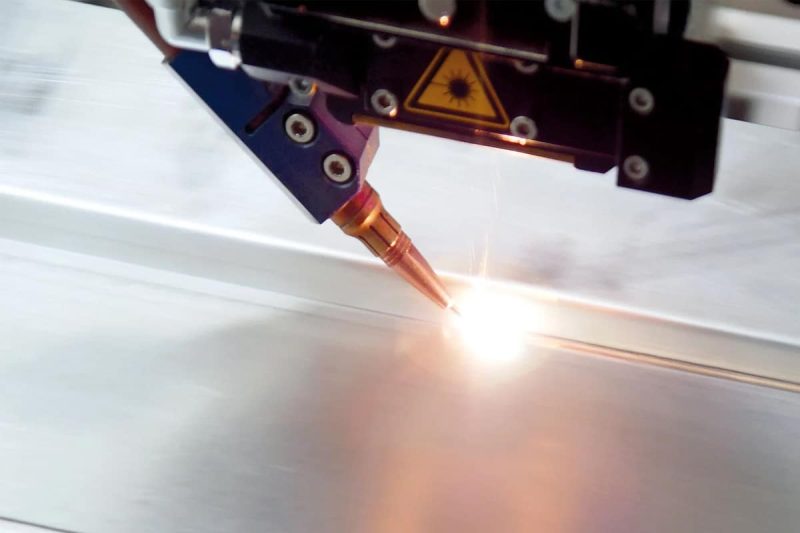
Understanding the distinctions between CW and pulsed laser welding across multiple technical and operational dimensions is essential for making an informed process selection decision. The following section examines each key dimension of difference in depth.
The comparison between CW and pulsed laser welding spans six primary dimensions: energy delivery and power characteristics, heat input and thermal control, welding speed and productivity, material compatibility, weld quality attributes, and equipment cost and operational complexity. No single dimension tells the complete story — the optimal process choice for a given application depends on how the priorities and constraints of that application map onto the combined performance profile of each process mode.
Energy Delivery: Continuous Wave vs. Pulsed
The most fundamental difference between CW and pulsed laser welding is how energy is delivered to the workpiece over time. In CW welding, power delivery is continuous and constant (or quasi-continuous with very high-frequency modulation), producing a steady-state keyhole and melt pool that persists for the duration of the weld. The average power and the peak power are essentially identical, and the energy delivered per unit length of weld is determined simply by the ratio of laser generator power to travel speed.
In pulsed welding, the instantaneous power varies dramatically between the pulse-on and pulse-off states. During the pulse-on period, the peak power — which may be 10 to 100 times the average power — is delivered to a spot on the workpiece, rapidly heating and melting (and potentially vaporizing) the material to form a weld nugget. During the pulse-off period, no energy is delivered, and the nugget begins to cool and solidify. The energy delivered per pulse is the product of the peak power and the pulse duration, and this per-pulse energy is an independently adjustable parameter that allows very fine control of the thermal dose delivered to each weld location.
This contrast in energy delivery has profound practical consequences. CW welding is inherently a high-average-power process optimized for continuous, high-speed production. Pulsed welding is a high-peak-power, low-average-power process optimized for precise, controlled thermal management. The two modes are therefore not simply different ways of achieving the same result — they are suited to fundamentally different application requirements.
Heat Input and Thermal Control: Continuous Wave vs. Pulsed
Heat input — the quantity of thermal energy deposited in the workpiece per unit length of weld — is one of the most critical process variables in any welding operation. Excessive heat input causes distortion, degrades heat-affected zone properties, risks thermal damage to adjacent components, and can cause cracking in sensitive alloys. Insufficient heat input causes incomplete fusion, poor weld penetration, and inconsistent bead geometry. The ability to control heat input precisely and independently of other process variables is therefore a key differentiator between welding processes.
In continuous wave (CW) laser welding, the primary means of controlling heat input involves adjusting the output power of the laser generator and the welding travel speed. Reducing the power or increasing the travel speed serves to decrease heat input; conversely, increasing the power or decreasing the travel speed results in increased heat input. However, these adjustments are not entirely independent—altering the travel speed often simultaneously modifies the weld bead geometry (including penetration depth, weld width, and the depth-to-width ratio). Consequently, achieving a specific combination of heat input and weld geometry typically necessitates the simultaneous optimization of multiple parameters. During continuous wave welding, the thermal cycle experienced by the heat-affected zone (HAZ) is extremely rapid—peak temperatures can be reached within a matter of milliseconds, accompanied by exceptionally high cooling rates. Yet, concurrently, the peak temperatures within the keyhole region are often exceedingly high; as a result, the HAZ—despite its relatively narrow width—is nonetheless subjected to severe thermal shock.
In pulsed laser welding, the thermal control capability is qualitatively superior. The pulse duration, peak power, repetition rate, and pulse shape can each be adjusted independently to achieve very precise control of the temperature history at the weld location. Short pulses with high peak power and low repetition rate produce welds with very low average heat input and high cooling rates between pulses — ideal for thermally sensitive applications. Longer pulses with lower peak power and higher repetition rate produce welds with higher heat input and slower cooling — better for crack-susceptible alloys that require controlled cooling to avoid solidification cracking. The pulse shape control available in advanced pulsed systems adds a further dimension of thermal management capability that has no equivalent in CW processes.
Welding Speed and Efficiency: Continuous Wave vs. Pulsed
Welding speed — the rate at which a completed weld joint can be produced — is directly proportional to the average power delivered to the weld. Since CW laser welding operates at 100% duty cycle (all of the laser generator’s average power is continuously available for welding), it can achieve welding speeds that are many times higher than pulsed processes operating at equivalent average power.
For a high-power industrial CW fiber laser generator system operating at 4 kW average power on 2 mm stainless steel, welding speeds of 5 to 10 meters per minute are readily achievable. A pulsed Nd: YAG system with a similar average power budget, operating at a typical duty cycle of 5% to 20%, may be limited to welding speeds of 0.5 to 2 meters per minute on the same material to achieve comparable weld penetration and quality. This 5 to 10x speed advantage of CW welding translates directly into productivity and cost advantages for high-volume applications.
However, this comparison must be contextualized. In applications where the welding speed is limited not by the laser generator process but by other factors — part handling, fixturing, inspection, or the speed of the associated automation systems — the theoretical speed advantage of CW welding may not translate into a practical productivity difference. In small-part welding applications where the weld itself is only a few millimeters long and the handling time dominates the cycle time, the slower welding speed of the pulsed process is irrelevant to overall throughput.
Material Compatibility: Continuous Wave vs. Pulsed
The material compatibility profiles of CW and pulsed laser welding differ significantly as a consequence of their different thermal characteristics. CW welding, with its high and continuous heat input and rapid keyhole dynamics, performs best on materials with moderate-to-good laser generator weldability — steels, stainless steels, titanium alloys, and nickel-based superalloys. It can weld these materials at high speed with excellent results, but it may struggle with materials that are highly reflective, have very high thermal conductivity, or are prone to solidification cracking under rapid heating and cooling conditions.
For continuous-wave laser welding, aluminum alloys present a particularly challenging class of materials. Polished aluminum exhibits extremely high reflectivity in the near-infrared spectrum—the operating wavelength of fiber and disk lasers—necessitating exceptionally high power densities to initiate and sustain the formation of a weld keyhole. Furthermore, the exceptionally high thermal conductivity of aluminum requires the continuous maintenance of high power output to prevent the keyhole from collapsing. Many aluminum alloys possess a broad solidification temperature range, rendering them highly susceptible to thermal cracking under the intense thermal cycling inherent in continuous-wave keyhole welding; moreover, the vast disparity in hydrogen solubility between liquid and solid aluminum ensures that weld porosity remains a persistent and vexing challenge.
Pulsed laser welding offers significant advantages for aluminum alloys, copper, precious metals, and other materials with challenging CW weldability. The programmable pulse shape — particularly the use of a slow ramp-down at the end of each pulse to control the solidification rate of the nugget — can dramatically reduce hot cracking susceptibility in aluminum alloys. The high peak power of pulsed systems is effective at overcoming the reflectivity barrier during keyhole initiation, even on polished copper and gold surfaces that would simply reflect most of the incident power from a CW beam at the same average power.
Dissimilar metal welding — joining two materials with significantly different melting points, thermal expansion coefficients, or chemical compatibility — is generally better served by pulsed laser welding than by CW. The precise, controlled energy delivery of pulsed welding allows the thermal conditions at the weld interface to be carefully managed to achieve fusion of both materials without excessive intermetallic formation or cracking, which is difficult to achieve with the higher and less controllable heat input of CW processes.
Weld Quality: Continuous Wave vs. Pulsed
Weld quality encompasses multiple attributes, including dimensional accuracy, surface finish, internal integrity (porosity, cracking, inclusions), joint strength, and heat-affected zone properties. The relative weld quality performance of CW and pulsed processes depends heavily on the specific material and application, but some general patterns are evident.
For macroscopic weld geometry — penetration depth, bead width, and aspect ratio — CW keyhole welding generally produces the highest performance, enabling the deepest penetration at the highest speed with the narrowest heat-affected zone for a given material thickness. The weld bead surface is smooth and continuous, and the weld cross-section is typically characterized by a narrow, deep fusion zone with a well-defined keyhole-solidification microstructure.
For applications where dimensional precision and thermal distortion are the primary quality concerns — particularly on thin, small, or complex assemblies — pulsed welding typically delivers superior results. The lower average heat input and the intermittent energy delivery result in less total thermal energy deposited in the workpiece, producing less distortion, narrower heat-affected zones in absolute terms, and better preservation of the dimensional accuracy of precision components.
For materials with high solidification cracking susceptibility, pulsed welding with programmed pulse shapes consistently outperforms CW welding in terms of weld microstructural quality. The controlled solidification enabled by pulse shaping produces finer grain structures, reduced segregation, and lower residual stress compared to the rapid, uncontrolled solidification of the CW process.
Equipment Cost and Complexity: Continuous Wave vs. Pulsed
The capital cost of laser welding equipment spans a wide range for both CW and pulsed systems, and generalizations must be made carefully. However, some broad patterns are useful for initial budgeting and planning purposes.
High-power continuous-wave (CW) fiber laser systems—serving as the dominant platform in the field of industrial CW welding—have undergone a significant reduction in cost over the past decade. This is primarily attributable to the increasing maturity of the technology and intensifying competition among suppliers. Today, the capital investment required for a complete CW fiber laser welding workstation—comprising a 2 kW to 4 kW fiber laser source, a beam delivery system, a scanning galvanometer or robotic integration module, fume extraction equipment, and a control system—is far more affordable than that of systems offering equivalent performance five to ten years ago. Furthermore, the inherent advantages of fiber laser sources—specifically their high electro-optical conversion efficiency, reliability, and low maintenance requirements—further ensure that these systems offer a highly attractive total cost of ownership over their entire lifecycle.
For a long time, pulsed Nd: YAG laser systems—equipped with advanced pulse-shaping capabilities, high peak power, and precision beam delivery systems—typically commanded a higher price point than their continuous-wave counterparts, even when operating at comparable average power levels. This disparity reflected the greater complexity inherent in the architecture of such systems, as well as the exacting demands placed upon the precision optical and electronic subsystems required for pulse shaping. However, the emergence of pulsed fiber laser platforms is rapidly reshaping this cost landscape. By seamlessly integrating the advantages of pulsed welding—specifically in terms of pulse energy and peak power—with the inherent strengths of fiber laser technology—namely efficiency, reliability, and beam quality—these platforms have paved the way for the growing prevalence of highly cost-competitive pulsed fiber laser welding systems.
The operational complexity of pulsed laser welding — specifically, the larger parameter space (pulse duration, peak power, pulse shape, repetition rate, overlap, and travel speed must all be optimized simultaneously) — means that process development for pulsed welding typically requires more time and expertise than for CW welding. This complexity is the price of the process’s flexibility and precision, but it should be factored into the total cost of ownership calculation, particularly for facilities without experienced laser generator process engineers.
Choosing the Right Mode for Your Application
Selecting between CW and pulsed laser welding is ultimately a question of matching the process characteristics to the specific requirements of the application. A structured decision framework based on the comparison dimensions reviewed in this guide can guide this selection.
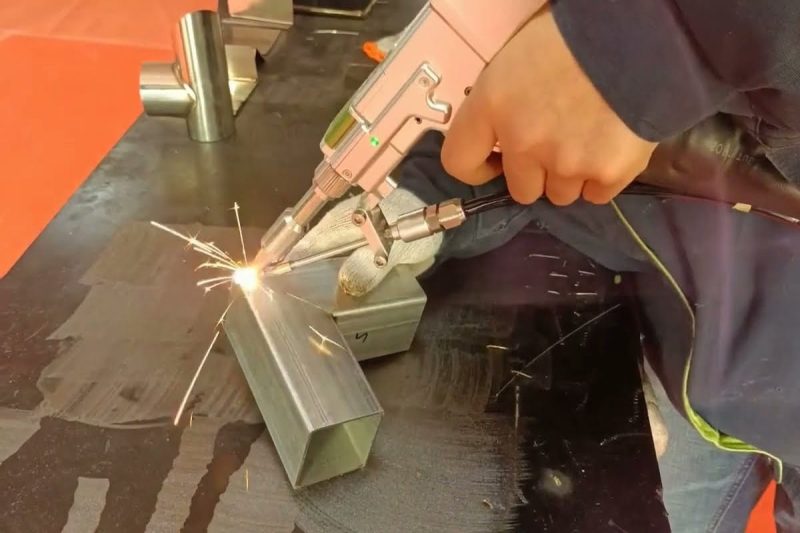
If the application involves thick-section materials (above approximately 2 to 3 mm), high-volume production, long seam welds, or materials with good CW weldability, such as carbon steel, stainless steel, or titanium, CW laser welding is generally the preferred choice. Its high speed, deep penetration capability, and compatibility with robotic automation make it the most productive and cost-effective solution for these application profiles. Applications in automotive body manufacturing, structural fabrication, battery module welding, and heavy industrial manufacturing consistently benefit from CW laser welding.
If the application involves thin materials (below approximately 1 mm), thermally sensitive assemblies, dissimilar metal joints, crack-susceptible alloys, very small weld zones, or materials with high reflectivity or thermal conductivity — such as aluminum, copper, gold, or platinum — pulsed laser welding is generally the superior choice. The precision thermal control, programmable pulse shaping, and high peak-to-average power ratio of pulsed welding deliver weld quality advantages in these applications that CW processes cannot replicate. Medical device manufacturing, electronics joining, precision instrument manufacturing, and jewelry production consistently benefit from pulsed laser welding.
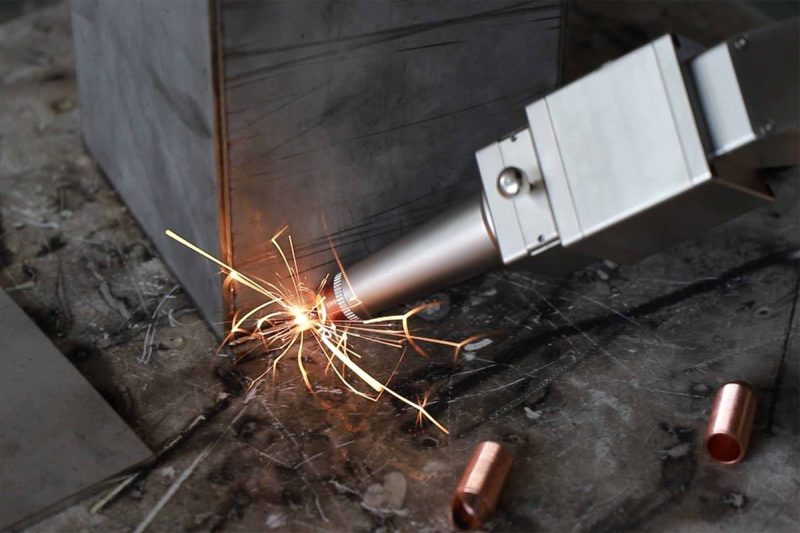
Certain application scenarios are better suited to hybrid-mode solutions. Modern multimode fiber lasers and advanced pulsed fiber laser systems support switching between CW and pulsed modes of operation, thereby enabling a single system to flexibly adapt to diverse application requirements. When an application involves both the welding of heavy structural components and the creation of delicate, precision joints—such as in the assembly of complex, multi-material electromechanical products—a system capable of performing both CW and pulsed welding often provides a comprehensive solution that optimizes both versatility and cost-effectiveness.
The decision should also account for the skill base and process development resources available in the facility. CW welding processes are generally easier to develop and optimize than pulsed processes, and facilities without deep laser generator process engineering expertise may find the simpler parameter space of CW welding easier to manage in production. Conversely, facilities with experienced laser generator engineers and a strong commitment to process optimization can leverage the full flexibility of pulsed welding to achieve weld quality levels that justify the additional development investment.
Summary
The choice between continuous wave and pulsed laser welding is one of the most consequential technical decisions in laser welding system selection, and it is a decision that deserves careful, application-specific analysis rather than a generic preference for one mode over the other. Both CW and pulsed laser welding are mature, industrially proven technologies with distinct and complementary strengths — understanding those strengths, and mapping them systematically onto the requirements of the application at hand, is the key to making the right choice.
Continuous-wave laser welding excels particularly in applications demanding high welding speeds, high production throughput, significant weld penetration, extended weld lengths, and seamless compatibility with robust industrial automation systems. By virtue of its high average power, stable continuous “keyhole” mode, and perfect compatibility with modern, high-efficiency fiber laser sources, continuous-wave laser welding has emerged as a mainstream process in the automotive, heavy industry, and energy equipment manufacturing sectors. Under conditions where material weldability is favorable, and production volumes are sufficient to amortize the investment costs associated with precision fixturing and joint pre-treatment, continuous-wave laser welding delivers unparalleled production efficiency and achieves highly competitive cost-effectiveness per weld.
Pulsed laser welding excels at precision applications where thermal control, metallurgical quality, and the ability to weld sensitive materials and geometries are the governing requirements. Its programmable pulse energy, adjustable pulse shape, and high peak-to-average power ratio give it a unique capability to manage the thermal history of the weld at a level of resolution that no other process can match. For medical devices, electronics, precision instruments, jewelry, and aerospace components, pulsed laser welding has proven its ability to achieve weld quality standards that are both technically demanding and economically justified.
As the technical capabilities of modern laser sources continue to expand—particularly with the increasing maturity of pulsed fiber lasers (which combine the pulse waveform shaping flexibility of traditional Nd: YAG laser systems with the high efficiency and superior beam quality of fiber laser technology)—the once-distinct boundary between continuous-wave and pulsed laser welding modes is gradually becoming blurred. This has not only given rise to numerous novel welding strategies that integrate the advantages of both approaches, but it also implies that, as technology continues to evolve, it is essential to periodically review and update existing frameworks for technology selection to fully account for and leverage these newly emerging capabilities.
What will not change is the fundamental principle that the best laser welding process is the one that most precisely meets the requirements of the specific application — in terms of material, geometry, quality, throughput, and cost — and that this determination requires informed, application-specific analysis rather than a generic preference for either mode.
Get laser welding Solutions
Whether your application calls for the high-speed, deep-penetration capability of continuous wave laser welding, the precision thermal control of pulsed laser welding, or a versatile system capable of both, our engineering team has the expertise, product portfolio, and application development resources to design and supply the right solution for your specific requirements.
AccTek laser generator supplies a comprehensive range of laser welding machines — from compact bench-top pulsed laser welding stations for medical device and electronics applications to fully automated, high-power CW fiber laser welding cells for automotive and industrial manufacturing. Our systems are engineered for production environments and are backed by deep application knowledge spanning metals, alloys, and specialty materials across every major industrial sector.
Every laser welding solution we develop begins with a comprehensive assessment of application requirements. Our engineers conduct an in-depth analysis of your joint design, material specifications, production throughput, quality standards, and site constraints to determine the optimal laser generator mode, power level, beam delivery configuration, and automation strategy for your specific application. When necessary, we conduct welding prototype testing in our in-house application laboratory; before formally proposing a system configuration, we provide detailed metallographic analyses of weld cross-sections and mechanical property test results. This ensures that you have full confidence in our recommended solution, secure in the knowledge that it has been thoroughly validated to meet your unique requirements.
Our systems are designed for long-term reliability in demanding production environments. We offer comprehensive commissioning, operator and maintenance training, preventive maintenance programs, and responsive technical support to ensure that your laser welding system delivers consistent, high-quality performance throughout its service life. Our global service network spans more than 120 countries, providing local support wherever your facility is located.
Whether you are specifying a laser welding system for the first time or seeking to upgrade an existing installation to improve weld quality, increase throughput, or extend your material processing capability, we are ready to support your project from initial feasibility assessment through to validated production. Contact our laser welding specialists today to schedule a consultation or request a sample welding demonstration on your parts. Our team responds within one business day.

Contact information
- [email protected]
- [email protected]
- +86-19963414011
- No. 3 Zone A, Lunzhen Industrial Zone,Yucheng City , Shandong Province.
Get Laser Solutions