

















What Training or Expertise Is Needed to Operate a Laser Cutting Machine Effectively?
Laser cutting has become one of the defining manufacturing technologies of the modern industrial era. By directing the concentrated output of a laser generator through precision optics onto a workpiece surface, laser cutting systems can slice through metals, plastics, wood, composites, and a wide range of other materials with a level of speed, accuracy, and repeatability that conventional mechanical cutting methods simply cannot match. The non-contact nature of the process eliminates tool wear, the focused heat input minimizes material distortion, and the ability to cut highly complex geometries directly from digital files makes laser cutting an indispensable tool across industries from aerospace and automotive manufacturing to medical device production, electronics, architecture, and artisan fabrication.
Yet the sophistication that makes laser cutting so powerful is also what makes it genuinely demanding to operate well. A laser cutting machine is not a simple push-button appliance. It is a complex electro-optical-mechanical system whose performance depends on the careful coordination of dozens of interacting variables: the output power and mode stability of the laser generator, the alignment and cleanliness of the beam delivery optics, the composition and flow rate of the assist gas, the focal position relative to the material surface, the cutting speed and acceleration profile, the properties and surface condition of the workpiece material, and the accuracy of the motion system that traces the programmed cutting path. When all these variables are correctly set and maintained, the result is clean, precise, burr-free cuts produced at high throughput with minimal waste. When any of them drifts out of tolerance — whether through operator error, inadequate maintenance, or changing material conditions — cut quality degrades, scrap rates climb, and in the worst cases, equipment damage or safety incidents can occur.
This reality makes proper training and professional expertise not merely desirable but essential for anyone responsible for operating, programming, or maintaining a laser cutting system. The purpose of this article is to provide a comprehensive, structured guide to the knowledge, skills, and training pathways that define genuine competence in laser cutting — covering everything from foundational technology understanding and machine operation, through materials science and CAD skills, to technical maintenance training, safety and regulatory compliance, and the irreplaceable role of hands-on practical experience.
Table of Contents
Understanding Laser Cutting Technology
Effective operation of any advanced system begins with a solid conceptual understanding of how that system works. For laser cutting, this means grasping the physical principles by which laser energy is converted into a cutting action, understanding the different types of laser cutting machines and how their architectures differ, and appreciating the breadth of industries and materials to which the technology is applied. This foundational knowledge is not merely academic — it is the framework that allows operators and technicians to reason about why the process behaves as it does, diagnose problems intelligently, and make sound judgments when standard procedures do not fully address an unfamiliar situation.
What Is Laser Cutting?
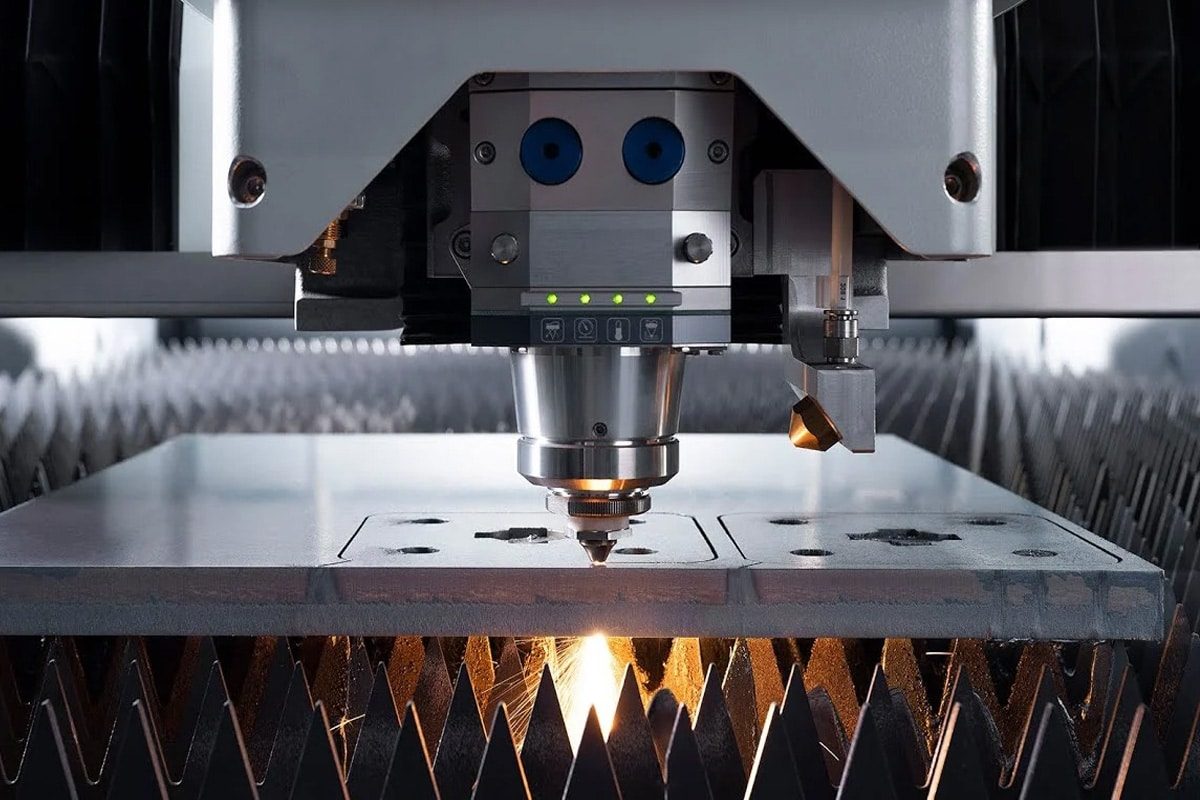
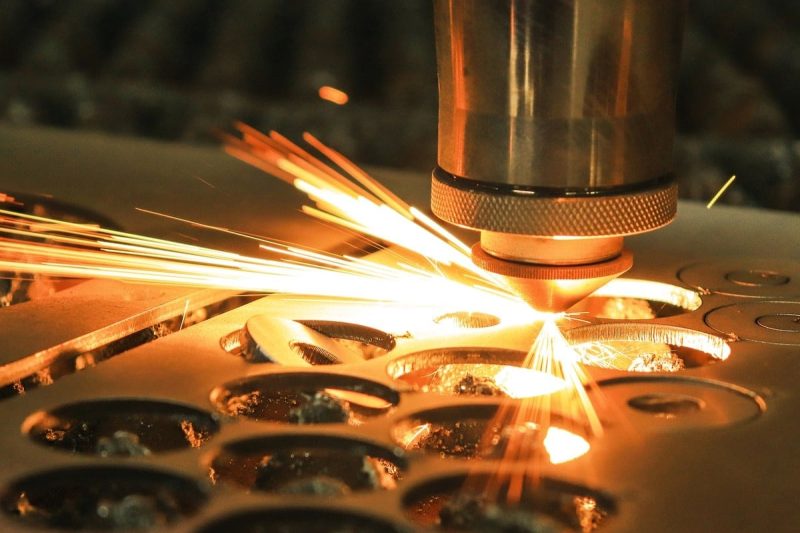
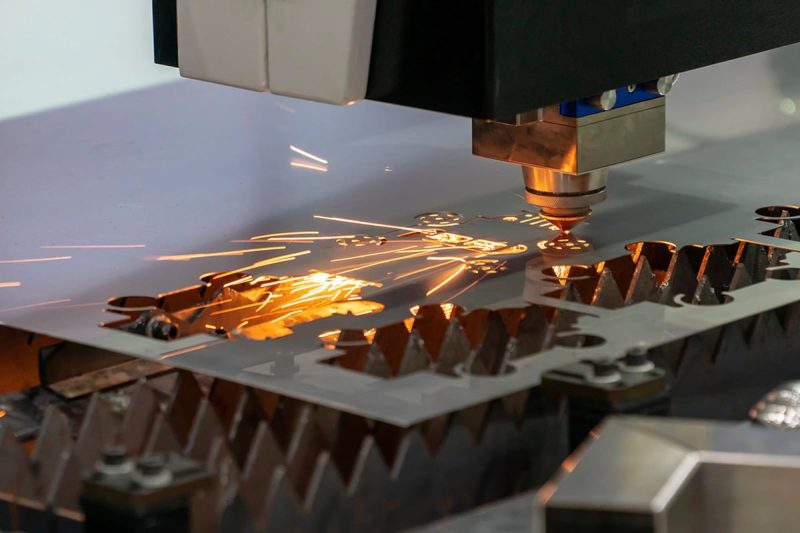
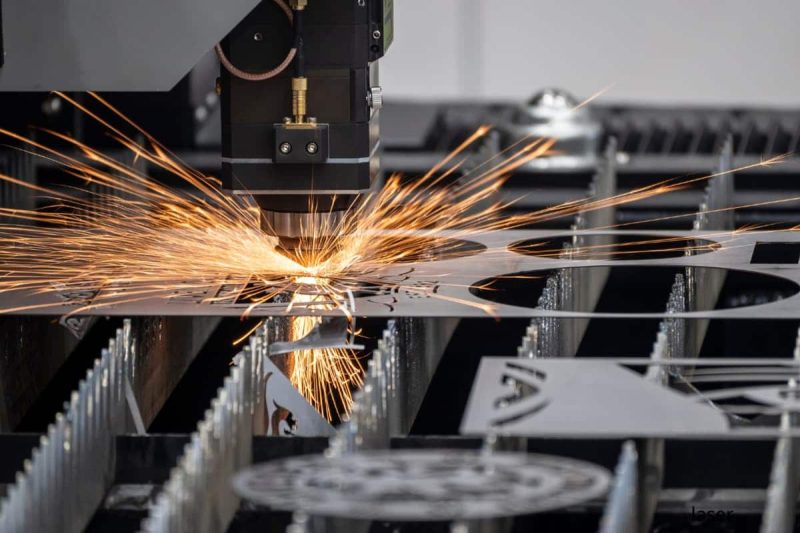
At its most fundamental level, laser cutting is a thermal process. A laser generator produces a highly coherent, monochromatic beam of light that is focused by an optical system to a tiny spot — typically 0.1 to 0.5 mm in diameter — on or just below the surface of the workpiece. Within this focal spot, the power density can exceed 10⁶ W/cm², raising the local material temperature almost instantaneously to its melting or vaporization point. An assist gas jet, directed coaxially with the laser beam through the cutting nozzle, performs several critical functions simultaneously: it ejects the molten or vaporized material from the kerf before it can re-solidify; it protects the focusing optics from contamination by upward-blown debris; and, in the case of oxygen assist gas used on mild steel, it participates exothermically in the cutting reaction, contributing additional heat that significantly increases cutting speed on ferrous materials.
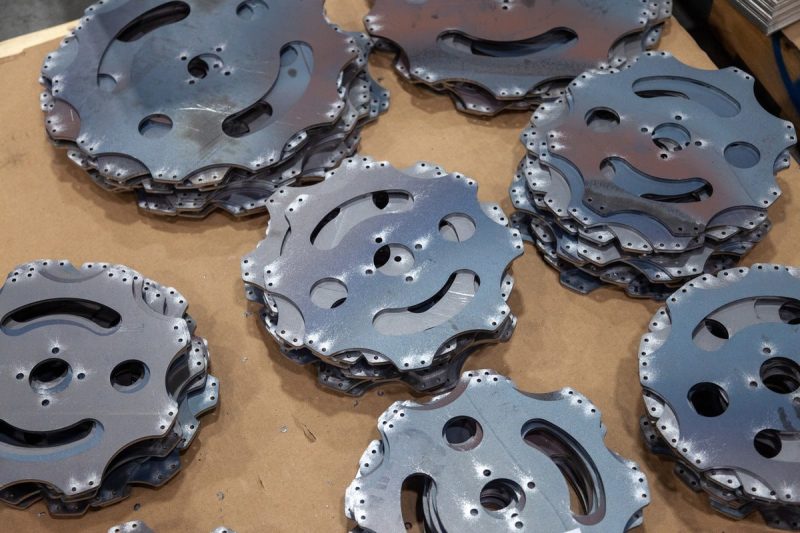
The cutting head moves along the programmed path — driven by a high-precision CNC motion system — while the laser generator maintains a continuous or pulsed output. The result is a narrow kerf, typically 0.1 to 1.0 mm wide depending on material and parameters, traced precisely along the design geometry. Modern laser cutting machines achieve positioning accuracies of ±0.05 mm or better, allowing them to produce complex parts to tight dimensional tolerances directly from digital design files with no tooling.
The three principal types of laser generators used in industrial cutting systems each have distinct characteristics that determine their optimal applications. Fiber laser generators, which produce light at a wavelength of approximately 1,064 nm, are today the dominant technology for metal cutting, offering high wall-plug efficiency (30-45%), excellent beam quality, long maintenance intervals, and superior performance on reflective metals such as copper, brass, and aluminum compared with CO2 systems. CO2 laser generators, emitting at 10.6 µm, remain widely used for cutting non-metallic materials — plastics, wood, acrylic, leather, textiles, and composites — where their longer wavelength is well absorbed by organic materials. Nd: YAG and disk laser generators occupy specialized niches, offering pulsed operation or very high beam quality for precision micro-cutting and engraving applications. Each laser generator type imposes different requirements on beam delivery system design, optics selection, and maintenance procedures, and operators must understand the specific technology they are working with.
Applications of Laser Cutting
The versatility of laser cutting is reflected in the extraordinary breadth of its industrial applications. In the automotive industry, laser cutting is used to produce body panels, structural brackets, chassis components, and complex three-dimensional tube and profile cuts for roll cages and exhaust systems. In aerospace, it is applied to titanium and aluminum structural components, composite panels, and the precision trimming of formed sheet metal parts. The electronics industry relies on laser cutting for PCB depaneling, lead frame cutting, and the production of fine metal masks for solder paste printing. Medical device manufacturers use laser cutting to produce surgical instruments, stainless steel implant components, and the intricate features of catheter and stent devices. The architectural and interior design sectors apply laser cutting to decorative metal screens, signage, furniture components, and artistic installations. In the broader sheet metal fabrication industry, laser cutting has largely supplanted punching and plasma cutting for medium-to-high precision work on thicknesses up to 25-30 mm in steel and 15-20 mm in aluminum.
The materials processed by laser cutting span an equally wide range: mild and stainless steel, aluminum and its alloys, copper, brass, titanium, nickel superalloys, various engineering plastics, natural and engineered wood products, acrylic, foam, rubber, leather, textiles, and paper, among others. Each material category presents distinct challenges in terms of laser absorption, thermal properties, assist gas selection, and cut quality optimization — and genuine operator expertise requires familiarity with the specific behavior of the materials encountered in their production environment.
Laser cutting is a thermal cutting process in which the focused output of a laser generator, combined with an assist gas jet, removes material along a programmed path to produce precise, complex parts. Understanding the operating principles of different laser generator types — fiber, CO2, and Nd: YAG, and the wide range of materials and industries they serve provides the essential conceptual foundation on which all more specific operating knowledge is built.
Core Skills Required
Operating a laser cutting machine effectively requires a constellation of core skills that span machine operation fundamentals, materials science, and computer-aided design. These skills are interdependent: machine operation knowledge without materials understanding leads to poor parameter selection; materials knowledge without CAD skills limits the operator’s ability to prepare and optimize cutting files; and CAD capability without machine operation understanding produces designs that cannot be efficiently or accurately cut. Genuine competence requires all three, developed to the depth appropriate for the role.
Basic Understanding of Machine Operation
Components of a Laser Cutting Machine
A working knowledge of the major subsystems of a laser cutting machine — their function, their interaction, and the observable indicators of their health — is the starting point for competent operation. The laser generator is the energy source: in a fiber laser cutting system, it consists of pump diodes, gain fiber, and resonator optics housed in a sealed cabinet, connected to the cutting head by a flexible fiber optic cable. The cutting head assembly contains the collimating optic, focusing lens, nozzle, and capacitive height-sensing system. The CNC motion system — typically a flying-optics gantry in flat-bed machines, or a combination of moving table and fixed head — drives the cutting head along programmed paths at speeds up to 100 m/min or higher on modern high-power machines. The chiller unit maintains the laser generator and optics at a stable operating temperature, directly affecting output power stability and beam quality. The assist gas delivery system supplies the pressurized cutting gas — oxygen, nitrogen, or compressed air — at precisely controlled pressure and flow rate to the cutting nozzle. The CNC controller ties all these subsystems together, executing the cutting program and managing the coordinated response of power, speed, and gas flow at every point along the cutting path.
An operator who understands what each of these subsystems does, how it interacts with the others, and what observable indicators signal normal versus abnormal behavior is far better equipped to maintain consistent cut quality, recognize early warning signs of problems, and communicate effectively with maintenance technicians when issues arise.
Safety Features and Protocols
Safety features are not optional accessories on laser cutting machines — they are mandatory systems whose proper understanding and use is a fundamental operator competency. Industrial laser generators used in cutting systems are classified as Class 4 laser devices, meaning that their direct or specularly reflected beams are capable of causing immediate, severe, and potentially permanent eye and skin injury, and that diffuse reflections at close range may also be hazardous. In practice, the laser cutting machine’s enclosure — which encloses the cutting area and blocks all laser radiation — provides the primary safeguard, and most industrial systems cannot operate with the enclosure open. However, operators must understand the basis for this protection and must never attempt to defeat or bypass interlocks.
Beyond laser radiation, operators must be aware of the electrical hazards associated with high-voltage power supplies, the chemical hazards of fumes and particulates generated when cutting plastics, coated metals, and organic materials, the fire risks associated with cutting flammable materials at high power, and the mechanical hazards of the high-speed gantry motion system. Safety protocols — covering startup and shutdown sequences, response to emergency stop activation, fume extraction verification, and the procedures for safely entering the enclosure for maintenance — must be learned and followed consistently, not treated as formalities.
Material Knowledge
Understanding Material Properties
The response of a material to laser cutting is determined by a complex interplay of its optical, thermal, and mechanical properties. Optical absorptivity at the laser wavelength governs how efficiently the material couples the incident laser energy into heat — a property that varies not only between different materials but also with surface condition, temperature, and, importantly, wavelength. A polished copper surface reflects more than 95% of incident 1,064 nm radiation at room temperature, making keyhole initiation extremely difficult; once the keyhole is established and the surface is locally melted, absorptivity rises sharply. Thermal conductivity determines how rapidly heat diffuses away from the cutting zone — high thermal conductivity (copper, aluminum) requires higher laser power to maintain the kerf temperature, while low thermal conductivity (stainless steel, titanium) allows heat to accumulate, increasing the risk of heat-affected zone widening and dross formation.
Melting and vaporization temperatures, material thickness, and the presence of surface coatings, oxides, or lubricants all directly affect the optimal parameter settings for a given cut. An operator with genuine materials knowledge can reason from these properties to make an informed first estimate of appropriate parameters for a material they have not previously cut, rather than simply guessing or waiting for someone else to look up a table entry.
Selecting Appropriate Settings for Different Materials
Translating materials knowledge into appropriate machine settings is the practical skill that separates experienced operators from novices. For mild steel cut with oxygen assist gas, the exothermic oxidation reaction contributes significantly to cutting energy, enabling high cutting speeds at relatively modest laser generator power — but the oxygen pressure must be carefully optimized, as too high a pressure can cause turbulent, irregular cut edges, while too low a pressure allows dross to accumulate. For stainless steel cut with high-pressure nitrogen, the goal is to achieve a completely dross-free, oxidation-free edge suitable for direct use without post-processing; this requires higher laser generator power, nitrogen pressures of 10–25 bar, and carefully optimized cutting speeds to avoid both incomplete melt ejection at low speeds and excessive kerf widening at high speeds. For aluminum, the high reflectivity and thermal conductivity require special attention: modern high-brightness fiber laser generators handle aluminum far better than their predecessors, but the risk of back-reflection damage to the laser generator remains a consideration for less robust systems, and the high thermal conductivity demands higher power and faster speeds than comparably thick steel.
Understanding how to adjust focus position (negative defocus is often used for thick materials to balance penetration and melt ejection), nozzle standoff distance, assist gas type and pressure, and cutting speed for each material family — and how these parameters interact — is a skill developed through structured training and accumulated practical experience.
Computer-Aided Design (CAD) Skills
The Importance of CAD Software in Laser Cutting
The laser cutting machine executes cuts defined by digital geometry files, and the quality of those files directly determines the quality of the parts that come off the machine. A design with overlapping lines, open contours, or excessively sharp inside corners that exceed the machine’s minimum radius capability will either fail to cut correctly or produce parts with dimensional errors and quality defects. An operator who understands CAD — who can open a customer-supplied file, identify and correct these issues, optimize the geometry for efficient cutting, and generate a correctly formatted output for the machine controller — adds enormous practical value beyond the ability to merely load and run an existing program.
CAD software used in laser cutting environments ranges from general-purpose 2D drafting packages (AutoCAD, LibreCAD) to dedicated nesting and CAM software (Lantek, Sigmanest, SigmaNEST, Radix) that automate the layout of parts on a sheet to maximize material utilization, generate optimized cutting paths, and produce machine-ready CNC programs. Proficiency with at least one software platform in each category is increasingly expected of laser cutting operators in production environments, and the ability to use nesting software effectively — understanding how part orientation, common-line cutting, and micro-joint strategies affect both material utilization and cut quality — can have a measurable impact on material cost and throughput.
Basic CAD Operations: Designing, Editing, and Exporting Files
The CAD operations most relevant to laser cutting operators are not the complex solid modeling capabilities used by design engineers, but rather the practical 2D tasks that arise daily on the production floor: importing customer-supplied files in formats such as DXF, DWG, or SVG; cleaning and repairing geometry — closing open contours, removing duplicate lines, smoothing sharp vertices; scaling and orienting parts correctly; adding or modifying cut paths for tabs, bridges, or lead-in and lead-out segments; and exporting finished cutting programs in the format required by the machine controller. Understanding the significance of layer structure in CAD files — for example, using different layers to represent cut, score, and mark operations — and how the CAM software interprets these layers to assign different parameter sets is a practical skill with direct impact on production efficiency and part quality.
Effective laser cutting operation requires three interdependent core skill sets: machine operation knowledge — spanning subsystem understanding and rigorous safety protocol adherence; materials science knowledge — enabling informed parameter selection for the range of materials encountered; and CAD proficiency — allowing operators to prepare, verify, and optimize cutting files independently. Developing all three in parallel, rather than in isolation, produces operators who can respond effectively to the full range of situations encountered in a production environment.
Technical Training
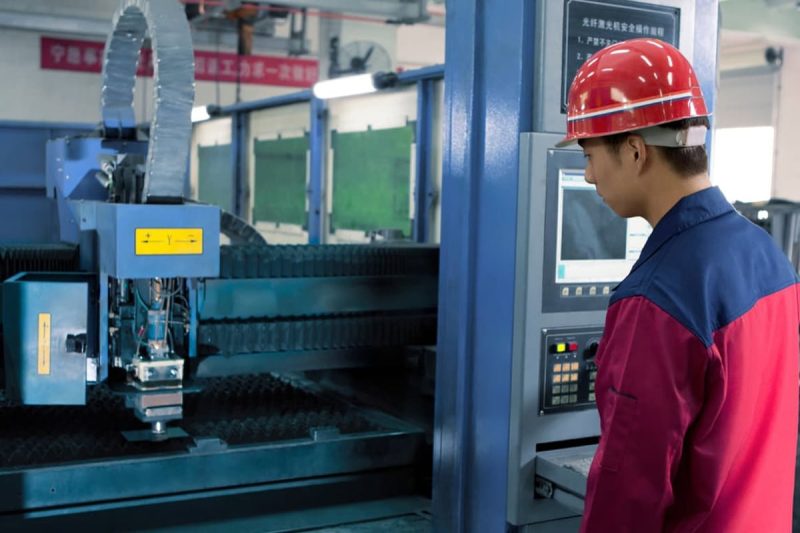
Beyond core conceptual skills, effective laser cutting operation demands a layer of technical training that goes deeper into the practical hands-on tasks of machine setup, calibration, maintenance, and software programming. This training is typically acquired through a combination of formal instruction — from equipment manufacturers, vocational institutions, or specialized training providers — and structured on-the-job practice under the supervision of experienced technicians. Its purpose is to ensure that operators can not only run the machine competently under normal conditions but also respond effectively when conditions are not normal.
Machine Setup and Calibration
Proper machine setup begins before the first cut of each production session. The operator must verify that the laser generator has reached thermal equilibrium — most manufacturers recommend a warm-up period of 15–30 minutes after startup to allow the optical components to stabilize at operating temperature and ensure consistent beam quality. The cutting head nozzle must be inspected for damage and replaced if worn or contaminated, as nozzle condition directly affects assist gas flow symmetry and therefore cut quality. The capacitive height sensor must be calibrated to ensure consistent standoff distance between the nozzle and the material surface, which is critical for maintaining focus position and assist gas pressure at the kerf.
Focus calibration — verifying that the optical focus of the laser beam corresponds to the intended focal position relative to the material surface — is one of the most important setup tasks. Methods range from simple burn-spot tests on tape or acrylic to sophisticated inline measurement systems that determine focus position from the power density distribution of the beam. For high-precision or high-value production, focus verification at the beginning of each shift is prudent practice, as thermal expansion of optical mounts during warm-up can cause focal position drift of several tenths of a millimeter. Operators trained in focus calibration can detect and correct this drift before it affects production quality.
Maintenance and Troubleshooting
Preventive maintenance is the foundation of consistent laser cutting performance. Operators must be trained and authorized to perform the routine maintenance tasks that keep the machine in optimum condition: daily inspection and cleaning of the protective window at the bottom of the cutting head (the optical component most exposed to contamination from cutting fumes and spatter, and the most frequent cause of power loss and beam quality degradation); weekly inspection and cleaning of the collimating and focusing lenses; periodic verification of beam alignment through the optical path; inspection of the assist gas delivery system for leaks, filter saturation, and nozzle wear; and monitoring of the chiller system to confirm that coolant temperature, flow rate, and conductivity are within specification.
Troubleshooting training is equally important. When cut quality deviates from specification — increased dross, rough cut edges, incomplete penetration, excessive kerf width, or inconsistent performance from part to part — the operator must be able to systematically diagnose the cause. Is the problem in the laser generator (power drift, mode instability)? In the beam delivery system (dirty optic, misalignment)? In the assist gas system (incorrect pressure, nozzle obstruction)? In the material (batch variation in surface condition or composition)? Or in the CNC program (incorrect speed or power settings, inappropriate acceleration profile)? A structured troubleshooting approach — working from the most likely and most easily checked causes outward to more complex possibilities — saves significant time and prevents the common mistake of changing multiple parameters simultaneously, which makes it impossible to determine which change actually resolved the problem.
Software and Programming
Laser cutting machines are controlled by CNC programs that specify the cutting path geometry, the laser generator power and mode at each point, the assist gas type and pressure, the cutting speed and acceleration, and the sequence of cuts within a part layout. In modern systems, these programs are generated largely automatically by CAM software from imported CAD geometry — but operators must understand what the software is doing well enough to verify its output, override inappropriate automatic decisions, and program simple geometries or modifications manually when necessary.
Training in the specific CAM software used by the facility — understanding how to import and nest parts, assign process parameters by material and thickness, define lead-ins and lead-outs, add bridges and tabs, set cutting sequence priorities, and generate and check the CNC output file before sending it to the machine — is a practical necessity for any operator involved in production planning as well as machine operation. As laser cutting systems increasingly incorporate automatic nesting optimization, real-time process monitoring, and remote diagnostics, operators must also develop comfort with the machine’s human-machine interface (HMI) software and with any connected manufacturing execution system (MES) that tracks production orders, material consumption, and quality data.
Technical training in machine setup and calibration, preventive maintenance, troubleshooting, and software programming transforms an operator with good conceptual knowledge into someone who can sustain high production efficiency and consistent quality through the natural variations and challenges of daily production. This training is best structured as a progression from guided instruction to supervised practice to independent execution, with competency assessments at each stage to ensure genuine understanding rather than superficial familiarity.
Safety and Compliance
Safety in laser cutting is a non-negotiable operational requirement — not a bureaucratic formality. The hazards associated with industrial laser cutting systems are real, diverse, and capable of causing serious harm if not properly controlled. At the same time, compliance with applicable occupational safety regulations and industry-specific standards is a legal obligation for employers and a professional responsibility for operators. A comprehensive safety training program addresses both the physical hazards present in the laser cutting environment and the regulatory framework that governs how those hazards must be managed.
Safety Protocols
Personal Protective Equipment
The personal protective equipment (PPE) required for laser cutting operations reflects the multiple hazard categories present in the working environment. Eye protection is the most critical element: while the machine’s enclosure provides primary protection against direct laser beam exposure during operation, operators must wear laser-rated safety eyewear appropriate for the specific laser generator wavelength whenever performing alignment procedures, maintenance tasks that require the enclosure to be open, or any other activity that could involve exposure to stray laser radiation. The optical density and wavelength range of the eyewear must be matched to the laser generator in use — eyewear rated for CO2 laser generators at 10.6 µm is not protective against fiber laser generators at 1,064 nm.
Respiratory protection is essential when cutting materials that generate toxic or irritating fumes and particulates. This category includes coated and galvanized steels (zinc and chromium fumes), stainless steel (hexavalent chromium fumes, a recognized carcinogen), plastics (hydrochloric acid from PVC, styrene from ABS, isocyanates from certain polyurethanes), and composite materials. While engineering controls — fume extraction systems with appropriate filtration — are the primary means of controlling inhalation exposure, supplementary respiratory protection in the form of half-face respirators with appropriate cartridges should be available and used during tasks that create elevated exposure, such as filter replacement or machine cleaning. Heat-resistant gloves protect hands when handling freshly cut parts, which can retain significant heat for several minutes after cutting. Safety footwear protects against the hazard of falling sheet metal offcuts and finished parts.
Safe Handling of Materials and Waste Disposal
Material handling safety encompasses the full lifecycle of the workpiece material in the laser cutting facility. Sheet metal handling — loading full-format sheets onto the machine table, unloading finished parts, and skeleton waste — involves significant ergonomic and laceration hazards from the weight, sharp edges, and flexibility of large metal sheets. Mechanical handling aids (sheet lifters, vacuum lifting systems, powered roller tables) reduce these hazards and should be used wherever available. Operators must be trained in correct manual handling techniques for situations where mechanical aids are not available, and in the use of cut-resistant gloves when handling sheet metal edges.
Waste disposal training covers the segregation and disposal of cutting offcuts and skeleton waste (which may be recyclable as scrap metal), filter waste from fume extraction systems (which may be classified as hazardous waste if it contains heavy metal compounds from cutting coated materials), and used consumables such as worn nozzles and contaminated optics. Failure to comply with waste classification and disposal regulations can expose employers to significant legal and financial liability, in addition to environmental harm.
Regulatory Compliance
OSHA Guidelines
In the United States, laser cutting operations fall under the jurisdiction of the Occupational Safety and Health Administration (OSHA), whose regulations establish minimum standards for hazard communication, personal protective equipment, respiratory protection, machine guarding, and electrical safety. OSHA’s Hazard Communication Standard (HCS, 29 CFR 1910.1200) requires employers to maintain Safety Data Sheets (SDS) for all hazardous substances — including cutting gases and the materials being processed — and to train employees in the hazards associated with these substances and the protective measures in place. OSHA’s PPE standard (29 CFR 1910.132–138) requires employers to conduct a hazard assessment for each work activity and select and provide appropriate PPE. OSHA does not have a specific laser standard, but references the American National Standards Institute (ANSI) Z136 series of laser safety standards, which provide detailed guidance on laser hazard classification, control measures, medical surveillance, and laser safety officer responsibilities.
Employers operating laser cutting equipment have a duty under the OSHA General Duty Clause (Section 5(a)(1)) to provide a workplace free from recognized hazards, even in the absence of a specific standard directly addressing the hazard. This means that compliance with ANSI Z136.1 (Safe Use of Lasers) and the relevant OSHA standards for associated hazards (chemical, electrical, mechanical, ergonomic) is not merely best practice but a legal obligation whose violation can result in citations, fines, and, in cases of serious injury, criminal prosecution.
Industry-Specific Regulations
Different industries impose additional regulatory requirements on laser cutting operations beyond the baseline set by OSHA. Aerospace manufacturers operating under AS9100 certification must maintain documented, validated cutting procedures and demonstrate traceability of process parameters for every safety-critical part. Medical device manufacturers regulated by the FDA’s Quality System Regulation (QSR, 21 CFR Part 820) must validate their laser cutting processes as part of a broader design and manufacturing control system, and maintain records that demonstrate consistent compliance with validated parameters. Automotive suppliers operating under IATF 16949 certification must integrate their laser cutting processes into a broader quality management system that includes process failure mode and effects analysis (PFMEA), control plans, and measurement system analysis (MSA) for any dimensions controlled by the laser cutting process. Understanding the specific regulatory requirements applicable to their industry and production environment is a professional obligation for anyone in a supervisory or quality assurance role in a laser cutting facility.
Safety and regulatory compliance in laser cutting requires training that addresses both the physical hazards present in the working environment — laser radiation, toxic fumes, sharp edges, and high-voltage electrical systems — and the legal framework that governs how these hazards must be managed. Competent operators understand not only what the rules require but why those requirements exist, enabling them to apply safe practices consistently across the full range of situations they encounter, including novel ones not explicitly covered by a written procedure.
Conclusion
This article has provided a comprehensive examination of the training and expertise required to operate a laser cutting machine effectively — a topic that is central to realizing the full productive and economic potential of an advanced technology that has become indispensable across a remarkable breadth of modern manufacturing sectors.
The foundation of laser cutting competence is a solid understanding of the technology itself: how the output of a laser generator is transformed into a precision cutting action through the interaction of focused photon energy, an assist gas jet, and a high-accuracy CNC motion system; how different laser generator types — fiber, CO2, and Nd: YAG — differ in their operating principles and optimal applications; and how the extraordinary range of materials and industries served by laser cutting creates a correspondingly wide range of process challenges that operators must be prepared to navigate.
On this foundation, effective operation is built through three interdependent core skill sets. Machine operation knowledge — encompassing a working understanding of all major subsystems and an unwavering commitment to safety protocols — is the non-negotiable baseline. Materials knowledge — the ability to reason from the optical, thermal, and mechanical properties of a workpiece material to appropriate parameter selections — is what separates operators who can only run programs someone else has written from those who can independently develop and optimize processes for new materials and applications. CAD proficiency — the ability to prepare, verify, clean, and optimize cutting geometry files — closes the loop between design and production, enabling operators to function as true manufacturing problem-solvers rather than machine attendants.
Technical training deepens these core competencies into practical production capability. Proper machine setup and focus calibration ensure that every shift begins with the machine in optimum condition. Preventive maintenance programs, executed consistently by trained operators, are the single most cost-effective investment in sustained cut quality and equipment reliability. Structured troubleshooting training enables rapid, systematic diagnosis and resolution of the deviations from normal operation that are an inevitable feature of real production environments. Software and programming skills allow operators to participate in production planning, optimize material utilization, and adapt programs to changing production requirements.
Safety and regulatory compliance are not separate from technical competence — they are an integral part of it. Understanding the physical basis for the hazards present in the laser cutting environment, the purpose and correct use of all protective equipment and engineering controls, and the specific regulatory requirements applicable to their industry enables operators to protect themselves, their colleagues, and their employers while sustaining the productive efficiency that makes laser cutting economically compelling.
Ultimately, all the knowledge and skills described in this article are consolidated, tested, and refined through hands-on experience. Structured apprenticeships, on-the-job training programs, manufacturer workshops, and industry certification pathways each contribute to the progressive development of the judgment, situational awareness, and process intuition that characterize a genuinely expert laser cutting operator — skills that cannot be acquired from a manual or a course alone, but that are built through sustained, reflective practice with real machines in real production environments.
Get Laser Cutting Solution
Selecting the right laser cutting solution requires a comprehensive strategy that takes into account several key factors: a deep understanding of your production requirements, matching those requirements with the equipment’s performance specifications, and ensuring your team is fully prepared to operate the machinery efficiently. At AccTek Laser, we offer a wide range of laser cutting machines designed to meet the specific needs of various industries. From entry-level fiber laser cutters suitable for small workshops to high-power systems engineered for large-scale industrial production, every machine in our product line is equipped with high-quality fiber lasers from world-renowned brands such as Raycus, JPT, and IPG.
When selecting equipment, the primary objective is to ensure that its performance aligns perfectly with your specific application requirements. You must carefully evaluate factors such as the type and thickness of the materials to be cut, the desired cut quality, production cycle times, and the required level of automation. Equally important is a comprehensive assessment of your team’s technical capabilities. By investing in appropriate training resources, you can ensure that your operators possess the professional skills necessary to operate the equipment proficiently and maintain its optimal performance. We offer comprehensive training services—covering equipment operation, parameter optimization, routine maintenance, and software application—designed to empower your team to unlock the equipment’s full potential from day one.
Before making a final decision, it is crucial to conduct customized sample cutting tests based on your specific application scenarios. We are pleased to provide sample testing support, allowing you to evaluate the equipment’s cut quality, cutting speed visually, and process stability, thereby ensuring that the machine fully meets your quality standards. Furthermore, AccTek Laser embraces a holistic service philosophy aimed at ensuring your equipment operates efficiently throughout its entire lifecycle—covering every stage from pre-sales consultation, system customization, installation, and commissioning, through to ongoing technical support. By choosing us, you gain not only a laser cutting machine with exceptional performance but also a long-term partner—a dedicated ally committed to helping you achieve your production goals and continuously optimize your cutting processes.

Contact information
- [email protected]
- [email protected]
- +86-19963414011
- No. 3 Zone A, Lunzhen Industrial Zone,Yucheng City , Shandong Province.
Get Laser Solutions