

















Introduction
Types of Pulse Laser Cleaning Machines


Pulse Laser Cleaning Power Selection
Applicable Scopes of Pulse Laser Cleaning Machines
- Carbon Steel
- Mild Steel
- Stainless Steel
- Alloy Steel
- Cast Iron
- Aluminum
- Aluminum Alloys
- Copper
- Brass
- Bronze
- Titanium
- Nickel
- Nickel Alloys
- Magnesium
- Zinc
- Galvanized Steel
- Tool Steel
- Spring Steel
- High-Speed Steel
- Tungsten
- Molybdenum
- Cobalt
- Gold
- Silver
- Platinum
- Silicon
- Quartz
- Glass
- Ceramic
- Alumina
- Zirconia
- Granite
- Marble
- Limestone
- Slate
- Concrete
- Brick
- CFRP
- GFRP
- ABS Plastic
- Painted Surface
- Coated Surface
- Oxidized Surface
- Rusted Surface
- Corroded Surface
- Anodized Surface
- Plated Surface
- Galvanized Surface
- Polished Surface
- Brushed Surface
- Matte Surface
- Glossy Surface
- Rough Surface
- Smooth Surface
- Textured Surface
- Patterned Surface
- Etched Surface
- Engraved Surface
- Welded Surface
- Heat-Affected Surface
- Burnt Surface
- Oily Surface
- Greasy Surface
- Contaminated Surface
- Dusty Surface
- Powder-Coated Surface
- Thin-Film Surface
- Layered Surface
- Composite Surface
- Bonded Surface
- Laminated Surface
- Printed Surface
- Inked Surface
- Adhesive-Bonded Surface
- Residue-Covered Surface
- Stained Surface
- Weathered Surface
- Aged Surface
- Industrial Surface
- Precision Surface
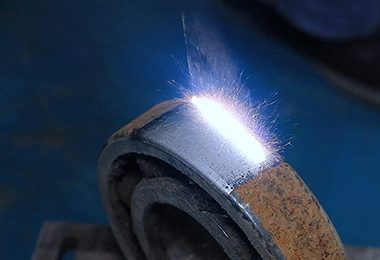
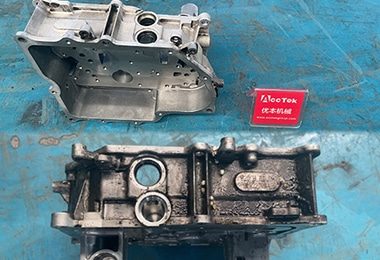
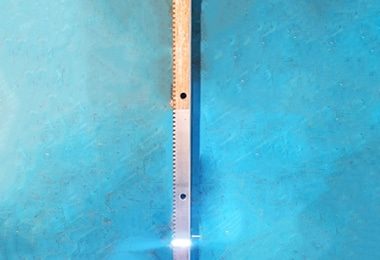
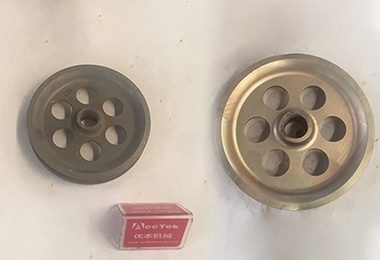
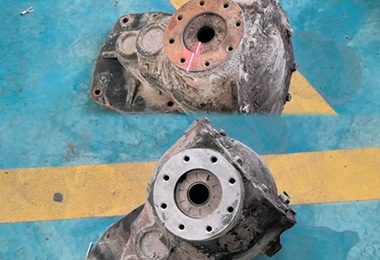
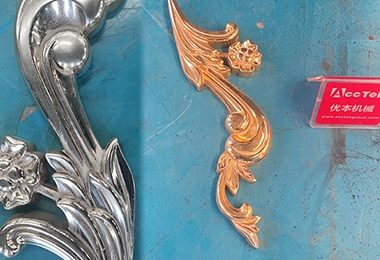
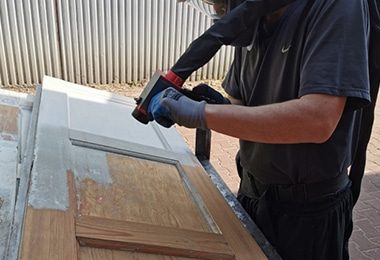
Applications of Pulse Laser Cleaning Machines

Comparison with Traditional Cleaning
| Comparison Item | Pulse Laser Cleaning | Sandblasting | Dry Ice Blasting | Plasma Cleaning |
|---|---|---|---|---|
| Cleaning Method | Laser ablation using focused light energy | Abrasive blasting with sand or grit | CO2 pellets impact and sublime | Ionized gas removes contaminants |
| Contact With Surface | Non-contact | Direct abrasive contact | Mild contact | Non-contact |
| Surface Damage Risk | Very low | High risk of abrasion | Low to moderate | Very low |
| Precision Control | Extremely high | Low | Moderate | High |
| Suitable for Delicate Surfaces | Yes | No | Sometimes | Yes |
| Environmental Impact | Very low | Dust pollution | CO2 residue | Minimal |
| Waste Generation | Minimal dust | Large abrasive waste | Small residue | Minimal |
| Consumables Required | None or minimal | Abrasive media | Dry ice pellets | Process gases |
| Secondary Cleaning Needed | Rarely | Often | Sometimes | Rarely |
| Operating Cost | Low long-term | Medium | Medium | Medium |
| Initial Equipment Cost | Higher | Low | Medium | High |
| Automation Capability | Very high | Limited | Moderate | High |
| Cleaning Speed | Fast | Fast | Medium | Medium |
| Maintenance Requirements | Low | High due to wear | Moderate | Gas system maintenance |
| Safety Risk | Low with proper shielding | Dust inhalation risk | CO2 handling risk | High voltage/gas risk |
| Energy Consumption | Moderate electrical power | Compressed air required | CO2 pellet production | Electrical and gas power |
| Surface Preparation Quality | Excellent for welding/painting | Rough surface finish | Good | Highly activated surfaces |
| Suitable for Rust Removal | Excellent | Very effective | Limited | Limited |
| Suitable for Paint Removal | Excellent control | Effective but rough | Good | Limited |
| Industry Applications | Manufacturing, aerospace, restoration | Heavy industry, shipyards | Equipment maintenance | Semiconductor and electronics |
Why Choose AccTek Laser
Advanced Laser Technology
AccTek Laser uses advanced fiber laser technology to ensure stable performance and precise cleaning results. Their machines provide efficient removal of rust, paint, oil, and coatings while protecting the base material, making them suitable for many industrial cleaning applications.
Wide Product Range
AccTek Laser offers a variety of laser cleaning machines with different power levels and configurations. Customers can choose from portable handheld machines to high-power industrial systems, allowing businesses to select the most suitable equipment for their specific cleaning tasks.
High-Quality Components
AccTek Laser machines are built with reliable components such as premium fiber laser sources, high-speed scanning systems, and durable control units. Using quality parts improves system stability, extends machine lifespan, and ensures consistent performance during long-term industrial operation.
Customization Options
AccTek Laser provides flexible customization based on customer needs. Laser power, cooling systems, cleaning width, and automation options can be adjusted according to different applications. This helps businesses achieve optimal cleaning efficiency for various materials and contamination types.
Professional Technical Support
AccTek Laser offers comprehensive technical support, including machine selection guidance, installation assistance, and operation training. Their experienced engineering team helps customers quickly understand the equipment and ensures smooth machine operation after installation.
Reliable Global Service
AccTek Laser serves customers in many countries and provides dependable international service. Detailed documentation, remote technical support, and responsive after-sales service help customers maintain machine performance and minimize downtime during daily production operations.
Customer Reviews
Related Resources

What Are the Limitations of Laser Cleaning?
This article will systematically analyze the main limitations of laser cleaning from an engineering and application perspective, and provide mature and practical solutions to help manufacturing companies make informed decisions.

What Training Is Required for the Safe Operation of a Laser Cleaning Machine?
This article delves into the safety operation training requirements for laser cleaning machines in industrial applications, covering laser safety, protective equipment, equipment maintenance, risk management, and compliance standards.

What Precautions Should Be Taken During Laser Cleaning?
Laser cleaning machines, with their efficient, environmentally friendly, non-contact cleaning methods and comprehensive safety, protection, and maintenance systems, can provide industrial enterprises with high-quality, sustainable surface treatment solutions while ensuring

Understand How Laser Parameters Affect the Cleaning Process
This article mainly introduces the influence of key parameters in the laser cleaning process on the cleaning effect of different materials, and proposes an optimization scheme to achieve efficient and
Frequently Asked Questions
Why Are Pulse Lasers More Suitable For Cleaning Fragile Surfaces?
- Low Heat Input: Pulse lasers operate by emitting energy in very short pulses, often in nanoseconds or microseconds. This limits the amount of heat transferred to the surface. Fragile materials such as thin metals, historical artifacts, or delicate components are highly sensitive to temperature changes, and excessive heat can cause warping, discoloration, or microcracks. Pulsed operation helps avoid these issues.
- High Peak Power with Controlled Energy: Although pulse lasers may have lower average power than continuous lasers, they produce high peak power during each pulse. This allows them to effectively break the bond between contaminants and the substrate without needing prolonged exposure. As a result, coatings like rust, paint, or oxide layers can be removed efficiently without affecting the base material.
- Reduced Thermal Diffusion: In continuous laser cleaning systems, heat spreads gradually into the surrounding material, increasing the risk of thermal damage. Pulse lasers minimize this effect because each pulse is brief, giving the material time to cool between pulses. This makes them ideal for precision cleaning tasks where maintaining structural integrity is critical.
- Greater Process Control: Pulse lasers offer more adjustable parameters, such as pulse duration, frequency, and energy per pulse. Operators can fine-tune these settings to match the sensitivity of the material and the type of contamination. This level of control is essential when working on fragile or high-value surfaces.
- Minimal Surface Alteration: Because of their controlled energy delivery, pulse lasers are less likely to alter the surface finish. This is particularly important in applications like mold cleaning, electronics, or cultural heritage restoration, where preserving the original texture and properties is a priority.
- Selective Cleaning Capability: Pulse lasers can target contaminants more precisely, especially when there is a difference in absorption between the coating and the base material. This selectivity allows for effective cleaning without removing or damaging the substrate.
How Much Do Pulse Laser Cleaning Machines Cost?
- Entry-level Pulse Laser Cleaning Machines (100W-200W): Low-power pulse laser cleaning machines are typically used for removing light rust, cleaning precision molds, and fine surface treatments. These compact systems are common in small workshops, electronics manufacturing, and repair work. Entry-level models typically range from $6,000 to $9,000, depending on the manufacturer and included accessories.
- Mid-range Pulse Laser Cleaning Machines (300W-500W): Mid-power pulse laser cleaning machines offer greater cleaning power and higher efficiency. They are widely used in industries such as automotive manufacturing, aerospace component cleaning, and metal surface treatment. These machines can remove moderate levels of rust, paint, and oxide layers. Prices typically range from $8,000 to $15,000, depending on system configuration and performance.
- High-Power Pulse Laser Cleaning Machines (1000W and above): High-power pulse laser cleaning machines are designed for industrial applications requiring extremely high precision and cleaning speed. These systems can handle thicker layers of contaminants while maintaining controlled heat input. The price of a high-power pulse system typically ranges from $25,000 to $50,000 or higher, depending on the laser source, scanning system, and automation features.
- System Configuration and Accessories: The final price also depends on optional features such as automated cleaning heads, robot integration, advanced control software, or dedicated scanning systems. Portable handheld systems are generally less expensive than large automated systems designed for production lines.
- Brand and Manufacturing Quality: Reputable laser equipment manufacturers may charge higher prices due to their advanced technology, reliability, and after-sales support. Smaller manufacturers may offer lower-priced machines, but quality and long-term performance may vary.
- Other Costs to Consider: Buyers should also consider associated costs such as shipping, installation, operator training, and maintenance. Depending on the cleaning application, protective equipment and ventilation systems may also be required.
What Are The Differences Between Pulse And Continuous Laser Cleaning?
- Laser Emission Mode: The primary difference lies in how the laser beam is produced. Pulse laser cleaning machines emit energy in extremely short bursts, typically lasting nanoseconds. Continuous wave (CW) laser cleaning machines, on the other hand, produce a constant beam of laser energy. This difference affects how heat is transferred to the surface and how contaminants are removed.
- Heat Input and Surface Impact: Pulse lasers generate very low heat input because energy is released in short intervals, allowing the material to cool between pulses. This minimizes the heat-affected zone and protects delicate surfaces. Continuous lasers deliver constant energy, which results in higher thermal input and is better suited for durable metal materials.
- Cleaning Precision: Pulse laser cleaning offers higher precision and greater control over parameters such as pulse frequency and pulse width. This allows operators to remove thin contamination layers while preserving the original surface finish. Continuous lasers focus more on fast material removal rather than extremely precise cleaning.
- Cleaning Speed: Continuous laser cleaning machines generally provide faster cleaning speeds, especially when removing thick rust, heavy scale, or large areas of paint. Because the beam is continuous, the system can deliver more sustained energy to the surface, making it ideal for large industrial cleaning tasks.
- Suitable Applications: Pulse laser cleaning is commonly used in industries that require delicate treatment, such as electronics manufacturing, aerospace component cleaning, mold maintenance, and cultural heritage restoration. Continuous laser cleaning is widely used in heavy industries such as shipbuilding, steel processing, automotive manufacturing, and equipment maintenance.
- Equipment Cost: Pulse laser cleaning systems are typically more expensive due to their advanced pulse control technology and higher precision capabilities. Continuous laser cleaning machines are generally more affordable and often chosen for cost-effective industrial cleaning.
- Material Compatibility: Pulse lasers are ideal for thin materials, precision components, and heat-sensitive surfaces. Continuous lasers perform best on strong metals like carbon steel, stainless steel, and cast iron that can tolerate higher thermal input.
How Does Pulse Duration Affect The Cleaning Results?
- Short Pulse Duration (Nanoseconds or Below): Very short pulses deliver energy in extremely brief bursts, which limits heat diffusion into the base material. This results in a “cold” cleaning effect where contaminants are rapidly vaporized or ejected without significantly heating the substrate. It is ideal for delicate surfaces, precision components, and applications where minimal thermal impact is required. Short pulses also help maintain the original surface texture and reduce the risk of oxidation or discoloration.
- Medium Pulse Duration: With slightly longer pulses, more energy is delivered over time, increasing the interaction between the laser and the material. This improves the removal of moderately thick coatings such as paint, oxide layers, or light corrosion. However, there is a slight increase in heat input, so careful parameter control is needed to avoid minor surface changes.
- Long Pulse Duration: Longer pulses extend the time the laser energy interacts with the surface, leading to greater heat accumulation. This can improve the removal of thick or strongly bonded contaminants, but it also increases the risk of thermal damage. Effects such as surface melting, discoloration, or microstructural changes may occur, especially on sensitive materials.
- Impact on Cleaning Efficiency: Shorter pulses tend to prioritize precision and surface protection, while longer pulses emphasize removal strength and efficiency. The choice depends on whether the priority is preserving the substrate or maximizing cleaning speed.
- Surface Quality and Finish: Pulse duration also influences the final surface appearance. Short pulses typically leave a cleaner, more uniform finish with minimal alteration. Longer pulses may result in rougher surfaces or visible heat effects, which may or may not be acceptable depending on the application.
- Interaction with Other Parameters: Pulse duration does not act alone. It works in combination with pulse energy, frequency, and scanning speed. For example, a short pulse with high energy can still be aggressive, while a longer pulse at low energy may remain relatively gentle.
What Safety Features Do Pulse Laser Cleaning Machines Have?
- Protective Enclosures and Shielding: Many pulse laser cleaning systems include partial or full enclosures to contain the laser beam and prevent accidental exposure. Even in handheld systems, shielding around the cleaning head helps reduce the risk of stray reflections, which can be hazardous to the eyes and skin.
- Laser Safety Interlocks: Interlock systems automatically disable the laser if safety conditions are not met. For example, if a protective cover is opened, a cable is disconnected, or the system detects improper setup, the laser will shut off immediately. This prevents unintended emission of the beam.
- Emergency Stop Function: An easily accessible emergency stop button allows operators to instantly shut down the machine in case of any abnormal situation. This is a critical feature in all industrial laser equipment and helps minimize risk during operation.
- Key Switch and Access Control: Many machines use a key switch or password-protected control system to prevent unauthorized use. Only trained personnel can activate and operate the machine, reducing the likelihood of misuse or accidents.
- Laser Safety Goggles Requirement: Although not a built-in component, systems are designed to be used with wavelength-specific protective goggles. These goggles are essential for protecting the operator’s eyes from direct or reflected laser radiation.
- Fume Extraction and Filtration Systems: Laser cleaning can generate dust, fumes, or vaporized contaminants. Integrated or external extraction systems remove these byproducts from the work area, improving air quality and protecting operator health.
- Temperature and System Monitoring: Sensors monitor key parameters such as temperature, power output, and system status. If overheating or abnormal operation is detected, the system can issue warnings or automatically shut down to prevent damage or hazards.
- Grounding and Electrical Protection: Proper grounding and built-in electrical protection systems reduce the risk of electric shock and ensure stable operation of the equipment.
- Beam Control and Trigger Safety: Handheld laser cleaning guns often include trigger-based activation with safety locks. The laser only emits when the trigger is actively engaged, preventing accidental firing.
What Is The Lifespan Of Pulse Laser Cleaning Machines?
- Laser Source Lifespan: The core component of pulse laser cleaning machines is the fiber laser source. High-quality pulse fiber lasers typically have a lifespan of 50,000 to 100,000 working hours. This translates to many years of operation, even in demanding industrial environments. Compared to traditional cleaning methods, this long service life is a major advantage.
- Operating Conditions: The actual lifespan can vary depending on how the machine is used. Continuous operation at high power, exposure to dust, or unstable electrical supply can reduce component longevity. Machines used in clean, controlled environments with stable power tend to last significantly longer.
- Cooling System Performance: Effective cooling is essential for maintaining laser stability and extending lifespan. Most pulse laser cleaning systems use air or water cooling. If the cooling system is properly maintained and functioning well, it helps prevent overheating and reduces wear on internal components.
- Optical Components Wear: Lenses, protective windows, and other optical parts are subject to gradual wear due to exposure to debris and laser energy. While these components do not last as long as the laser source itself, they are replaceable and relatively low-cost. Regular inspection and cleaning can extend their usability.
- Maintenance Practices: Routine maintenance plays a key role in maximizing lifespan. This includes cleaning optics, checking connections, ensuring proper ventilation, and updating system settings when needed. Well-maintained machines can operate efficiently for much longer than neglected ones.
- Usage Intensity: Machines used intermittently for light cleaning tasks will generally last longer than those running continuously in heavy industrial applications. Duty cycle and workload directly influence wear and tear on both the laser source and supporting systems.
- Electronics and Control Systems: The control unit, software, and electrical components are also designed for durability but may require occasional servicing or upgrades over time. Keeping firmware updated and protecting the system from electrical fluctuations can improve reliability.
How To Maintain Pulse Laser Cleaning Machines?
- Regular Cleaning of Optical Components: Lenses and protective windows are critical parts that directly affect laser performance. Dust, debris, or residue buildup can reduce beam quality and cleaning efficiency. These components should be inspected frequently and cleaned using approved materials and methods to avoid scratches or damage.
- Check and Maintain the Cooling System: Whether air-cooled or water-cooled, the cooling system must function properly to prevent overheating. For water-cooled systems, regularly check water levels, purity, and flow. Replace coolant as recommended. For air-cooled units, ensure ventilation paths are clear, and fans are working efficiently.
- Inspect Cables and Connections: Electrical and fiber optic connections should be checked periodically for signs of wear, looseness, or damage. Secure connections help maintain stable power delivery and prevent operational faults.
- Monitor Laser Output and Performance: Operators should regularly verify that the laser output matches expected performance. A noticeable drop in cleaning efficiency may indicate issues with the laser source, optics, or settings. Early detection helps avoid more serious problems.
- Maintain the Cleaning Head and Nozzle: The handheld cleaning head is exposed to dust and debris during operation. Keeping it clean ensures proper beam delivery and prevents contamination from affecting results. Replace worn or damaged nozzles when necessary.
- Ensure Proper Ventilation and Filtration: Dust and fumes generated during cleaning can accumulate inside or around the machine. Regularly clean or replace filters in the extraction system and ensure airflow is not obstructed. This protects both the machine and the operator.
- Software and System Updates: Keep the control software up to date to ensure optimal performance and compatibility. Periodically check system settings and recalibrate if needed to maintain accuracy.
- Follow Operating Guidelines: Avoid running the machine continuously at maximum power unless required. Proper usage, including allowing rest periods and operating within recommended limits, reduces stress on components.
- Scheduled Professional Servicing: In addition to routine maintenance, periodic servicing by qualified technicians is recommended. They can perform deeper inspections, align optical systems, and address issues that may not be visible during daily checks.
What Training Is Required To Operate Pulse Laser Cleaning Machines?
- Laser Safety Training: The most critical requirement is understanding laser safety principles. Operators must be aware of hazards such as direct and reflected laser exposure, which can harm eyes and skin. Training includes the correct use of protective goggles, safe working distances, controlled access to the work area, and emergency procedures.
- Basic Machine Operation: Users need to learn how to start, configure, and shut down the machine properly. This includes understanding the control panel or software interface, selecting appropriate cleaning modes, and setting parameters such as pulse frequency, pulse duration, and power levels. Familiarity with these controls ensures stable and efficient operation.
- Understanding Pulse Parameters: Pulse laser systems require more precise parameter control than continuous systems. Operators must be trained to adjust pulse energy, frequency, and duration based on the type of material and contamination. This helps achieve effective cleaning while avoiding damage to delicate surfaces.
- Material and Application Knowledge: Different materials respond differently to pulse laser energy. Training should cover how various metals, coatings, oxides, and residues react during cleaning. This knowledge allows operators to choose the correct settings and avoid unwanted surface effects such as discoloration or microdamage.
- Hands-On Practical Training: Practical experience is essential for building confidence and skill. Most equipment suppliers provide on-site or remote training sessions where operators can practice real cleaning tasks. This helps users understand how parameter adjustments affect cleaning performance.
- Maintenance Awareness: Operators should be trained in basic maintenance tasks, such as cleaning optical components, checking cooling systems, and inspecting cables. Understanding routine maintenance helps prevent performance issues and extends machine lifespan.
- Environmental and Ventilation Safety: Laser cleaning produces dust and fumes that must be managed properly. Training includes the use of extraction systems, maintaining good ventilation, and safely handling residues generated during cleaning.
- Troubleshooting Basics: Operators should be able to identify common issues, such as inconsistent cleaning results or system warnings, and take appropriate action. This reduces downtime and improves productivity.
Get Laser Cleaning Solutions
Introduction
Types of Continuous Laser Cleaning Machines


Continuous Laser Cleaning Power Selection
Applicable Scopes of Continuous Laser Cleaning Machines
- Carbon Steel
- Stainless Steel
- Aluminum
- Titanium
- Copper
- Brass
- Nickel
- Zinc
- Gold
- Silver
- Iron
- Lead
- Cobalt
- Chromium
- Bronze
- Magnesium
- Platinum
- Tungsten
- Platinum
- Cast Iron
- Acrylic
- Polycarbonate
- Polyethylene
- Fiberglass
- Ceramics
- Concrete
- Wood
- Glass
- Leather
- Rubber
- Composites
- Painted Surfaces
- Coated Materials
- Epoxy Resins
- Semiconductors
- Printed Circuit Boards
- Precious Metals
- Graphene
- Titanium Alloys
- Silicon
- Rust
- Oxidation
- Oil
- Grease
- Dirt
- Paint
- Ink
- Carbon Deposits
- Adhesive Residue
- Weld Spatter
- Corrosion
- Cement
- Resin
- Glue
- Tar
- Soil
- Wood Resin
- Scale
- Varnish
- Alloy Coatings
- Epoxy Coatings
- Polymer Coatings
- Plating
- Powder Coatings
- Polishing Compounds
- Rubber Residue
- Fats
- Pollen
- Biological Contaminants
- Paint Layers
- Printing Inks
- Marking Inks
- Soot
- Dust
- Grease Stains
- Plastic Residues
- Asphalt
- Mold
- Salts
- Sodium Deposits
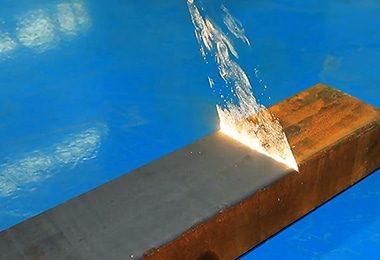
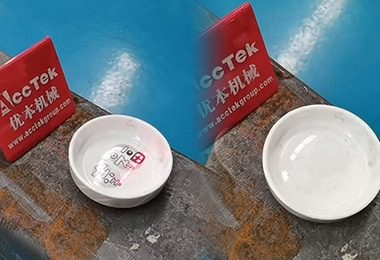
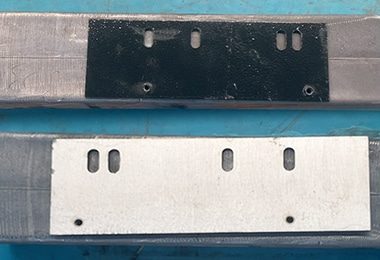
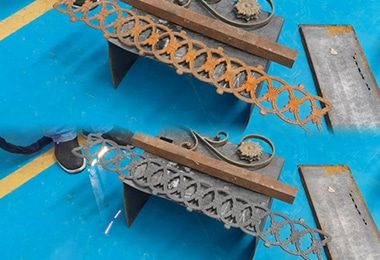
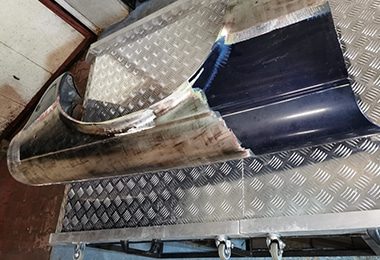
Applications of Continuous Laser Cleaning Machines
Comparison with Traditional Cleaning
| Comparison Item | Continuous Laser Cleaning | Sandblasting | Dry Ice Blasting | Plasma Cleaning |
|---|---|---|---|---|
| Cleaning Method | Laser ablation using focused light energy | Abrasive blasting with sand or grit | CO2 pellets impact and sublimate | Ionized gas removes contaminants |
| Contact With Surface | Non-contact | Direct abrasive contact | Mild contact | Non-contact |
| Surface Damage Risk | Very low | High risk of abrasion | Low to moderate | Very low |
| Precision Control | Extremely high | Low | Moderate | High |
| Suitable for Delicate Surfaces | Yes | No | Sometimes | Yes |
| Environmental Impact | Very low | Dust pollution | CO2 residue | Minimal |
| Waste Generation | Minimal dust | Large abrasive waste | Small residue | Minimal |
| Consumables Required | None or minimal | Abrasive media | Dry ice pellets | Process gases |
| Secondary Cleaning Needed | Rarely | Often | Sometimes | Rarely |
| Operating Cost | Low long-term | Medium | Medium | Medium |
| Initial Equipment Cost | Higher | Low | Medium | High |
| Automation Capability | Very high | Limited | Moderate | High |
| Cleaning Speed | Fast | Fast | Medium | Medium |
| Maintenance Requirements | Low | High due to wear | Moderate | Gas system maintenance |
| Safety Risk | Low with proper shielding | Dust inhalation risk | CO2 handling risk | High voltage / gas risk |
| Energy Consumption | Moderate electrical power | Compressed air required | CO2 pellet production | Electrical and gas power |
| Surface Preparation Quality | Excellent for welding/painting | Rough surface finish | Good | Highly activated surfaces |
| Suitable for Rust Removal | Excellent | Very effective | Limited | Limited |
| Suitable for Paint Removal | Excellent control | Effective but rough | Good | Limited |
| Industry Applications | Manufacturing, aerospace, restoration | Heavy industry, shipyards | Equipment maintenance | Semiconductor and electronics |
Why Choose AccTek Laser
Advanced Laser Technology
AccTek Laser uses advanced fiber laser technology to ensure stable performance and precise cleaning results. Their machines provide efficient removal of rust, paint, oil, and coatings while protecting the base material, making them suitable for many industrial cleaning applications.
Wide Product Range
AccTek Laser offers a variety of laser cleaning machines with different power levels and configurations. Customers can choose from portable handheld machines to high-power industrial systems, allowing businesses to select the most suitable equipment for their specific cleaning tasks.
High-Quality Components
AccTek Laser machines are built with reliable components such as premium fiber laser sources, high-speed scanning systems, and durable control units. Using quality parts improves system stability, extends machine lifespan, and ensures consistent performance during long-term industrial operation.
Customization Options
AccTek Laser provides flexible customization based on customer needs. Laser power, cooling systems, cleaning width, and automation options can be adjusted according to different applications. This helps businesses achieve optimal cleaning efficiency for various materials and contamination types.
Professional Technical Support
AccTek Laser offers comprehensive technical support, including machine selection guidance, installation assistance, and operation training. Their experienced engineering team helps customers quickly understand the equipment and ensures smooth machine operation after installation.
Reliable Global Service
AccTek Laser serves customers in many countries and provides dependable international service. Detailed documentation, remote technical support, and responsive after-sales service help customers maintain machine performance and minimize downtime during daily production operations.
Customer Reviews
Related Resources
What Are the Limitations of Laser Cleaning?
This article will systematically analyze the main limitations of laser cleaning from an engineering and application perspective, and provide mature and practical solutions to help manufacturing companies make informed decisions.
What Training Is Required for the Safe Operation of a Laser Cleaning Machine?
This article delves into the safety operation training requirements for laser cleaning machines in industrial applications, covering laser safety, protective equipment, equipment maintenance, risk management, and compliance standards.
What Precautions Should Be Taken During Laser Cleaning?
Laser cleaning machines, with their efficient, environmentally friendly, non-contact cleaning methods and comprehensive safety, protection, and maintenance systems, can provide industrial enterprises with high-quality, sustainable surface treatment solutions while ensuring
Understand How Laser Parameters Affect the Cleaning Process
This article mainly introduces the influence of key parameters in the laser cleaning process on the cleaning effect of different materials, and proposes an optimization scheme to achieve efficient and
Frequently Asked Questions
When Should I Choose Continuous Laser Cleaning Machines?
Continuous and pulsed laser cleaning machines are both used to remove rust, paint, oil, and oxide layers from metal surfaces. However, they differ in how the laser energy is delivered and in the types of applications they serve best. A continuous laser cleaning machine is generally the better choice when the priority is speed, efficiency, and large-scale industrial cleaning rather than delicate surface treatment.
- Large Surface Area Cleaning: Continuous laser cleaning machines produce a steady beam that provides constant energy during operation. This makes them well-suited for cleaning large metal surfaces such as steel plates, ship structures, pipelines, and heavy equipment. The continuous output allows operators to remove contaminants efficiently across broad areas.
- High-Speed Industrial Processing: Continuous laser cleaning machines are ideal for environments where productivity and throughput are important. Their constant energy delivery enables faster removal of rust, paint, and oxide layers compared with pulsed systems. Industries such as automotive manufacturing, shipbuilding, and rail maintenance often prefer continuous lasers for large-scale cleaning tasks.
- Effective Removal of Thick Rust or Coatings: When dealing with heavy corrosion, thick paint layers, or scale buildup, continuous lasers provide strong and stable cleaning power. The sustained energy helps break down stubborn contaminants more effectively, making them suitable for demanding industrial cleaning applications.
- Lower Equipment Investment: Continuous laser cleaning machines are often more affordable than pulsed laser cleaning systems with similar power ratings. For companies seeking a practical and cost-effective cleaning solution, continuous lasers offer reliable performance while keeping equipment costs manageable.
- Best for Durable Metal Surfaces: Continuous laser cleaning machines generate more heat than pulsed lasers. Therefore, they work best on strong materials that can tolerate moderate thermal input, such as structural steel, iron components, and large industrial parts. These materials typically withstand the heat without damage.
- Common Industrial Maintenance Uses: Continuous laser cleaning machines are widely used for tasks such as weld preparation, paint stripping before recoating, mold cleaning, and removing oil or residue before manufacturing processes. Their steady power output helps maintain consistent cleaning results during routine operations.
- When Precision Is Not the Main Requirement: If the application does not require extremely fine control of laser energy, a continuous system is usually sufficient. For general rust removal or surface preparation, continuous lasers provide efficient and reliable cleaning performance.
Continuous laser cleaning machines are best suited for fast, large-area cleaning, heavy contamination removal, and cost-efficient industrial applications involving durable metal surfaces.
What Laser Power Levels Are Available For Continuous Laser Cleaning Machines?
Continuous laser cleaning machines are available in a range of power levels, each suited to different cleaning tasks and industrial needs. The most common configurations include 1000W, 1500W, 2000W, 3000W, and 6000W systems. Each level offers a balance between cleaning efficiency, speed, and material compatibility.
- 1000W Continuous Laser Cleaning Machines: This is typically the entry-level option for continuous laser cleaning. It is well-suited for light-duty applications such as removing thin rust layers, paint, oil, or surface contaminants. It works best on smaller parts or delicate materials where precision matters more than speed. It also has lower energy consumption and is easier to integrate into small workshops.
- 1500W Continuous Laser Cleaning Machines: A step up in performance, 1500W machines provide faster cleaning speeds and can handle slightly thicker coatings or more stubborn oxidation. They are commonly used in general manufacturing, maintenance, and repair environments where moderate efficiency is required without risking damage to the base material.
- 2000W Continuous Laser Cleaning Machines: This power level is considered a versatile mid-range option. It can remove heavier rust, coatings, and contaminants more efficiently while still maintaining good control. It is widely used in automotive, shipbuilding, and equipment maintenance industries where both speed and quality are important.
- 3000W Continuous Laser Cleaning Machines: Designed for heavy-duty industrial applications, 3000W systems significantly improve cleaning speed and depth. They are ideal for large-scale surface preparation, thick corrosion removal, and continuous operation in demanding environments. These machines are often used in production lines where downtime must be minimized.
- 6000W Continuous Laser Cleaning Machines: This represents the high-power end of continuous laser cleaning. It is built for maximum efficiency and large-area cleaning tasks. It can quickly remove thick rust, heavy coatings, and stubborn residues from large metal surfaces. However, it requires careful control, higher energy input, and experienced operation to avoid substrate damage.
Lower-power machines prioritize precision and safety, while higher-power systems focus on speed and heavy-duty performance. Selecting the right power level depends on the material type, contamination thickness, required cleaning speed, and operational scale.
How To Choose The Right Power Level For Cleaning Applications?
Choosing the right power level for a laser cleaning machine depends on several practical factors, including the type of contamination, the size of the work area, and the cleaning speed required. Selecting an appropriate power level ensures efficient cleaning while avoiding unnecessary equipment costs or energy consumption.
- Type and Thickness of Contamination: The first factor to consider is the material you need to remove. Light contaminants such as oil, grease, or thin oxide films usually require lower laser power, typically around 1000W. For moderate rust or paint layers, a 1500W–2000W laser cleaning machine is often more effective. Heavy corrosion, thick coatings, or industrial scale may require 3000W–6000W or higher to achieve efficient removal.
- Size of the Cleaning Area: Larger surfaces generally require higher power levels to maintain productivity. For example, cleaning small machine parts or molds can often be done with a 1000W–1500W system. However, large structures such as steel plates, pipelines, ship components, or construction equipment benefit from 2000W–6000W machines, which can clean wider areas more quickly.
- Required Cleaning Speed: Production efficiency is another key factor. If cleaning is part of a high-throughput production line, higher power levels help reduce processing time. 2000W or 6000W systems can significantly increase cleaning speed compared with lower-power machines, improving overall operational efficiency.
- Material Sensitivity: Some materials are more sensitive to heat than others. If the base material is thin or heat-sensitive, lower power settings may be safer to prevent surface damage or distortion. For thicker and more durable metals such as structural steel, higher power systems can be used without significant risk.
- Budget and Operating Costs: Higher power machines typically involve greater upfront investment and energy consumption. Businesses should balance cleaning performance with cost considerations. In many cases, 2000W laser cleaning machines provide an effective compromise between performance and affordability for general industrial applications.
- Future Production Needs: It is also wise to consider potential future requirements. If production volume or cleaning demands may increase, selecting a slightly higher power system can provide greater flexibility and prevent the need for equipment upgrades later.
The right laser cleaning power level should match the contamination type, surface area, cleaning speed requirements, and budget. Lower power systems are suitable for light cleaning tasks, while higher power machines deliver faster results and stronger removal capability for heavy-duty industrial applications.
How Does The Power of Continuous Laser Cleaning Machines Affect The Cleaning Speed?
The power of continuous laser cleaning machines has a direct and significant impact on cleaning speed, as it determines how much energy is delivered to the surface per unit of time. Higher power generally means faster removal of contaminants, but the relationship is not simply about increasing wattage. It also involves material response, layer thickness, and process control.
- Low Power (1000W): At this level, cleaning speed is relatively moderate. The laser removes contaminants layer by layer with high precision, making it suitable for thin rust, oil, or light coatings. However, because the energy density is lower, the operator must move more slowly across the surface to achieve complete cleaning. This results in longer processing times, especially on larger areas.
- Moderate Power (1500W–2000W): As power increases, cleaning speed improves noticeably. The higher energy output allows the laser to ablate thicker contaminants more efficiently, reducing the number of passes required. Operators can increase scanning speed while still maintaining effective cleaning, making this range ideal for general industrial use where both speed and control are needed.
- High Power (3000W): At this level, cleaning speed increases significantly. The laser can remove heavy rust, thick paint layers, and stubborn residues in fewer passes or even a single pass. Larger surface areas can be processed quickly, making it suitable for production environments. However, excessive speed without proper parameter adjustment may reduce cleaning uniformity.
- Ultra-High Power (6000W): These machines offer maximum cleaning speed and are designed for large-scale or heavy-duty applications. Thick corrosion or coatings can be removed rapidly over wide areas. The high energy density allows for faster scanning speeds, but it also requires careful calibration to prevent overheating or damaging the base material.
- Other Influencing Factors: While power is a key driver of speed, it works in combination with spot size, scanning width, pulse characteristics (even in continuous systems, modulation may apply), and material properties. For example, tightly focused beams increase intensity and speed but reduce coverage area, while wider beams clean larger areas but may require more power to maintain effectiveness.
Higher laser power enables faster cleaning by increasing energy delivery and reducing the number of passes required. However, optimal speed depends on balancing power with process parameters to ensure efficient and safe cleaning results.
What Are The Safety Features Of Continuous Laser Cleaning Machines?
Continuous laser cleaning machines are designed with multiple safety features to ensure reliable operation and protect both operators and equipment. Because laser cleaning involves high-power laser radiation and heat generation, proper safety mechanisms are essential for safe industrial use.
- Protective Laser Safety System: laser cleaning machines are equipped with laser safety protections that help prevent accidental exposure to the laser beam. Operators are typically required to wear laser safety goggles designed for the specific laser wavelength used by the machine. These measures help reduce the risk of eye or skin injury during the operation.
- Emergency Stop Button: Most continuous laser cleaning machines include an easily accessible emergency stop button. If an abnormal condition occurs or the operator needs to halt the machine, pressing this button immediately stops laser emission and system operation, helping prevent accidents or equipment damage.
- Protective Handheld Cleaning Head: The handheld laser cleaning gun is designed with protective shielding and ergonomic insulation. This design helps reduce the risk of accidental laser reflection while also improving operator comfort during extended cleaning tasks.
- Temperature Monitoring and Protection: Continuous laser cleaning systems generate heat during operation, so machines typically include temperature monitoring functions. If the internal temperature exceeds a safe operating range, the system may automatically trigger protective measures such as alarms or automatic shutdown to prevent overheating.
- Stable Cooling System: Laser cleaning machines are usually equipped with efficient water-cooling systems to maintain a stable operating temperature for the laser source and internal components. This cooling system not only improves machine performance but also enhances safety by preventing overheating.
- Electrical Protection Features: The machines include built-in electrical safety mechanisms such as overcurrent protection, voltage stabilization, and grounding systems. These features help protect the equipment from electrical faults and ensure safe operation in industrial environments.
- Fiber Cable Protection: Since continuous laser cleaning machines use fiber lasers to deliver energy to the cleaning head, the fiber cable is designed with protective layers to reduce the risk of damage during operation. Proper fiber protection ensures consistent laser transmission and improves system safety.
Continuous laser cleaning machines incorporate multiple safety features, including protective laser systems, emergency stop controls, temperature monitoring, efficient cooling systems, and electrical protection. These measures help ensure safe operation while maintaining stable performance during industrial cleaning processes.
Does Continuous Laser Cleaning Require The Use Of Auxiliary Gas?
Continuous laser cleaning generally does not require auxiliary gas to perform the cleaning process. The laser beam itself provides enough energy to remove rust, paint, oxide layers, oil, and other contaminants from the surface. However, in some situations, auxiliary gas or airflow may be used to improve cleaning efficiency or maintain a cleaner working environment.
- Laser Energy Performs the Cleaning: In continuous laser cleaning, the high-energy laser beam heats the contamination layer on the material surface. This energy causes the contaminants to evaporate, decompose, or detach from the substrate. Because the cleaning effect is created by the laser itself, no cutting or chemical reaction is involved, so auxiliary gas is usually unnecessary.
- Air Blowing to Remove Debris: Although gas is not required for the cleaning process, many systems use compressed air to blow away dust and debris generated during cleaning. This helps keep the surface visible to the operator and prevents removed particles from settling back onto the material.
- Improved Cleaning Stability: In some industrial environments, a gentle airflow may be applied to help disperse smoke, fumes, or vaporized particles created during laser cleaning. This can improve cleaning stability and maintain a clearer working area, especially when removing paint or coatings.
- Protection of the Optics: Airflow near the cleaning head can also help protect the lens and optical components. By directing air across the working area, dust and particles are less likely to accumulate on the protective lens, which helps maintain consistent laser performance.
- Reduced Need for Consumables: Because auxiliary gases such as nitrogen or oxygen are generally not required, continuous laser cleaning systems have lower operating costs compared with some other laser processes, like laser cutting or welding. This makes laser cleaning a cost-effective and environmentally friendly solution.
- Optional Use in Special Applications: In certain specialized applications, auxiliary gases may be introduced to control oxidation or assist in removing stubborn contaminants. However, this is not typical for most standard laser cleaning tasks.
Continuous laser cleaning primarily relies on laser energy and does not normally require auxiliary gas. Airflow or compressed air may be used as a supportive measure to remove debris, improve visibility, and protect optical components, but it is not essential to the cleaning process itself.
What Are The Maintenance and Hourly Operating Costs Of Continuous Laser Cleaning Machines?
The maintenance and hourly operating costs of continuous laser cleaning machines are generally lower than those of many traditional cleaning methods, mainly because the process requires few consumables and minimal mechanical wear. However, operating costs can vary depending on machine power, usage frequency, and local electricity prices.
- Electricity Consumption: Electricity is the primary operating cost of CW laser cleaning machines. Power consumption depends on the laser’s rated output. For example, 1000W–2000W continuous laser cleaning machines typically consume about 3–6 kW of electrical power per hour, including the laser source and cooling system. Depending on electricity prices, the hourly cost may range from $0.50 to $3 per hour in many industrial environments.
- Cooling System Operation: Most continuous laser cleaning machines use a water-cooling system to maintain stable temperatures for the laser source and internal components. The chiller consumes additional electricity, but its operating cost is usually relatively low compared with the laser itself. Regular monitoring of coolant levels and periodic replacement may be required.
- Protective Lens Replacement: The protective lens in the laser cleaning head helps shield internal optics from dust and debris. Over time, the lens may accumulate contamination or wear and may need replacement. While the cost of a protective lens is relatively low, periodic inspection and replacement are part of routine maintenance.
- Minimal Consumables: Unlike abrasive blasting or chemical cleaning, continuous laser cleaning does not require sand, chemicals, or other consumable materials. This significantly reduces ongoing operational costs and eliminates the need for waste disposal associated with traditional cleaning methods.
- Routine Maintenance: Maintenance for continuous laser cleaning machines mainly includes cleaning optical components, checking fiber connections, inspecting cables, and ensuring the cooling system functions properly. These tasks are typically simple and can often be performed during scheduled equipment inspections.
- Long Laser Source Lifetime: Fiber laser sources used in continuous laser cleaning machines often have service lifetimes of up to 100,000 hours under proper operating conditions. This long lifespan reduces the frequency of major component replacement and helps keep long-term maintenance costs relatively low.
- Estimated Hourly Operating Cost: When considering electricity, routine maintenance, and occasional replacement parts, the overall operating cost of continuous laser cleaning machines is often estimated to be around $1 to $5 per hour, depending on power level and usage conditions.
Continuous laser cleaning machines offer relatively low maintenance and operating costs because they require minimal consumables, have long laser lifetimes, and mainly rely on electricity as the primary operating expense.
What Training Is Required To Operate Continuous Laser Cleaning Machines?
Operating continuous laser cleaning machines requires a combination of technical knowledge, safety awareness, and hands-on practice. While these systems are generally user-friendly, proper training is essential to ensure effective cleaning, prevent equipment damage, and maintain operator safety.
- Basic Laser Safety Training: Operators must understand laser hazards, including eye and skin exposure risks. Training covers the use of protective equipment such as laser safety goggles, proper enclosure practices, and awareness of reflected beams. It also includes emergency procedures and safe shutdown methods.
- Machine Operation Fundamentals: Users need to learn how to start, configure, and shut down the system correctly. This includes understanding the control interface, adjusting power levels, setting scanning speed, and selecting appropriate cleaning patterns. Familiarity with the machine’s software is also important for efficient operation.
- Material and Surface Knowledge: Different materials react differently to laser cleaning. Training should cover how metals, coatings, rust, paint, and contaminants respond to various power levels and scanning settings. This helps operators avoid damaging the base material while achieving optimal cleaning results.
- Process Parameter Adjustment: Effective cleaning depends on balancing parameters such as power, speed, focal distance, and beam width. Operators are trained to fine-tune these settings based on the thickness and type of contamination. Practical experience is key to mastering this aspect.
- Maintenance and Troubleshooting: Basic maintenance training ensures the machine operates reliably over time. This includes cleaning optical components, checking cooling systems, and inspecting cables and connections. Operators should also be able to identify common issues, such as inconsistent cleaning or power fluctuations, and respond appropriately.
- Environmental and Ventilation Awareness: Laser cleaning can generate dust, fumes, or debris depending on the material being processed. Training includes proper use of extraction systems, ventilation requirements, and safe handling of residues to maintain a clean and safe workspace.
- On-Site Practical Training: Most manufacturers or suppliers provide hands-on training during installation. This allows operators to practice real cleaning tasks under guidance, helping them build confidence and competence quickly.
Operating continuous laser cleaning machines does not require advanced academic qualifications, but it does require structured training in safety, machine control, and process optimization. Proper training ensures efficient performance, consistent cleaning quality, and a safe working environment.