| Cutting Principle |
Uses a focused laser beam to melt and cut stainless steel |
Uses a plasma arc to melt conductive metal |
Uses high-pressure water and abrasive to erode material |
Uses blades, saws, punches, or milling tools |
| Cutting Precision |
Very high precision for detailed stainless steel parts |
Medium precision, less suitable for fine details |
High precision, but usually slower |
Medium precision, depends on tool and machine rigidity |
| Edge Quality |
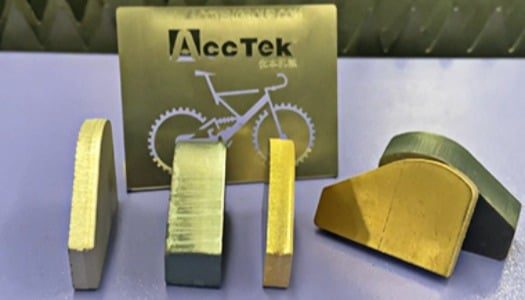
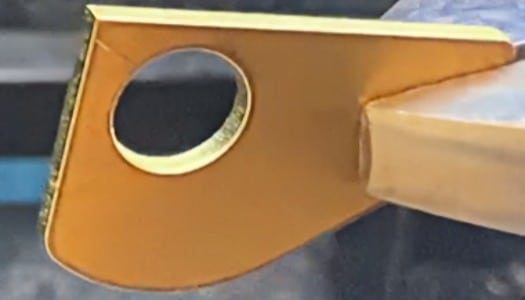
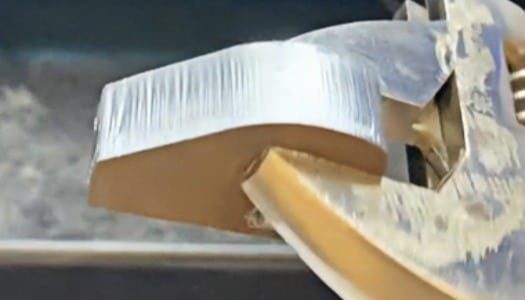
Smooth edges with minimal burrs |
Rougher edges with more dross |
Smooth, cold-cut edges |
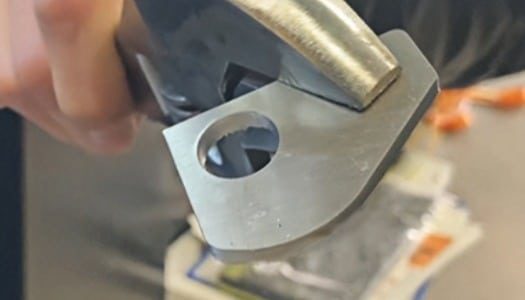
May leave burrs, scratches, or tool marks |
| Heat-Affected Zone |
Small heat-affected zone when parameters are well controlled |
Larger heat-affected zone |
No heat-affected zone |
Minimal heat, but mechanical stress may occur |
| Stainless Steel Surface Finish |
Helps maintain a clean, bright surface |
May cause discoloration and oxidation |
Maintains surface finish well |
Can scratch or deform the surface |
| Cutting Speed |
Fast, especially for thin and medium stainless steel sheets |
Fast on thicker stainless steel, but less precise |
Slower than laser and plasma |
Moderate, often slower for complex shapes |
| Thin Sheet Performance |
Excellent for thin stainless steel |
Can overheat or distort thin sheets |
Good, but slower |
Possible, but deformation may occur |
| Thick Plate Performance |
Effective with higher laser power |
Good for thick conductive stainless steel |
Very good for thick stainless steel |
Limited by tool force and machine capacity |
| Kerf Width |
Narrow kerf, saving material |
Wider kerf |
Medium kerf |
Usually wider than laser cutting |
| Material Waste |
Low material waste due to narrow cuts |
Higher waste than laser |
Moderate waste from kerf and abrasive use |
Higher waste from tool path and chips |
| Thermal Deformation |
Low when cutting parameters are optimized |
Higher risk of warping |
No thermal deformation |
Possible bending or stress from cutting force |
| Burr Formation |
Minimal burrs |
More burrs and slag |
Minimal burrs |
Burrs are common |
| Secondary Processing |
Often little or no polishing/deburring needed |
Often requires grinding or cleaning |
Usually little secondary processing |
Often requires deburring and edge finishing |
| Complex Shape Cutting |
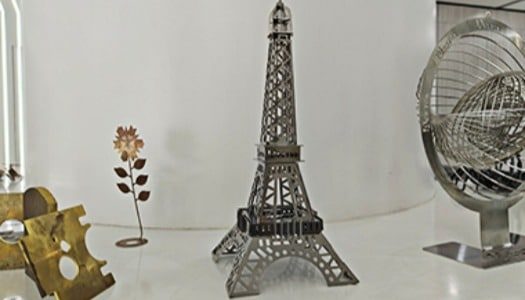
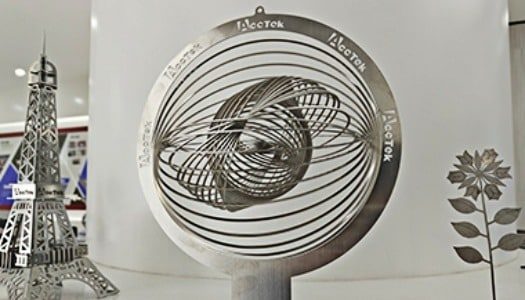
Excellent for holes, slots, logos, and fine contours |
Good for basic shapes |
Good for complex shapes, but slower |
Limited for intricate patterns |
| Automation Capability |
Highly suitable for CNC automation and batch production |
Suitable for CNC cutting |
Suitable for CNC cutting |
Automation possible, but tool changes may be needed |
| Tool Wear |
No physical cutting tool touches the stainless steel |
Electrode and nozzle wear |
Nozzle wear and abrasive consumption |
Cutting tools wear quickly on stainless steel |
| Operating Cost |
Efficient for precision and batch production |
Lower equipment cost, but more finishing work |
Higher cost due to abrasive, water, and pump maintenance |
Tooling and labor costs can increase |
| Environmental Impact |
Produces fumes that need extraction |
Produces more smoke, fumes, and noise |
Uses water and abrasive waste |
Produces chips, noise, and coolant waste |
| Best Use Cases |
Precision stainless steel parts, cabinets, kitchenware, medical parts, automotive parts |
Heavy stainless steel plate cutting where edge quality is less critical |
Heat-sensitive parts, very thick plates, mixed materials |
Straight cuts, simple profiles, drilling, sawing, and low-volume work |
| Overall Advantage |
Best balance of speed, accuracy, edge quality, and automation |
Good for rough cutting thick conductive metals |
Best when no heat damage is allowed |
Good for simple, low-cost cutting tasks |




















4 reviews for Stainless Steel Laser Cutting Machine
Liam –
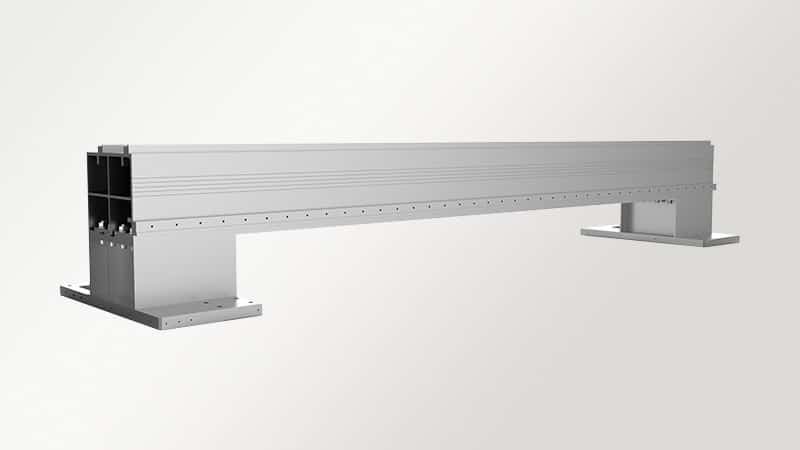
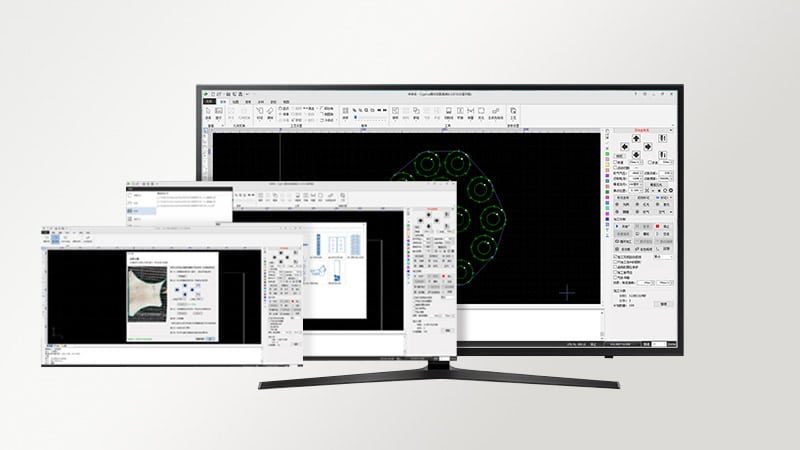
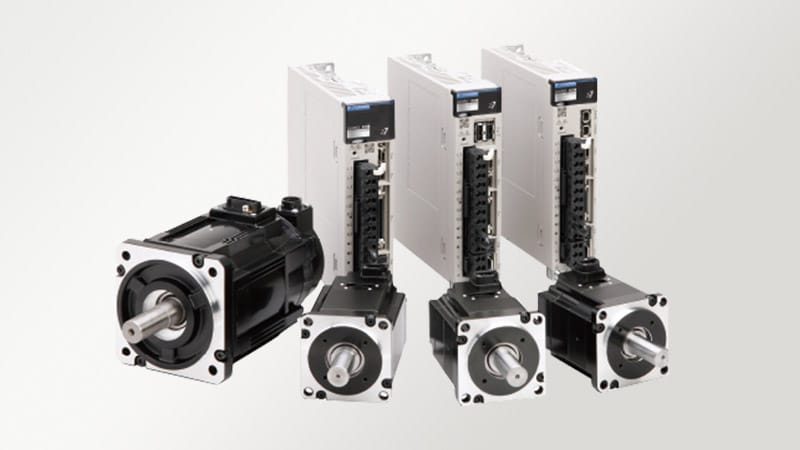
I’ve worked with several cutting machines before, and this one is among the more stable options. The servo motor responds quickly, and positioning is very accurate. Even during fast operations, it doesn’t lose alignment. The beam structure helps reduce unnecessary movement, which improves cutting consistency. I also like the way the system handles long jobs without slowing down. The interface is straightforward, and I didn’t need much time to get used to it. It’s been reliable for daily production tasks, and I haven’t encountered any major issues so far.
Olivia –
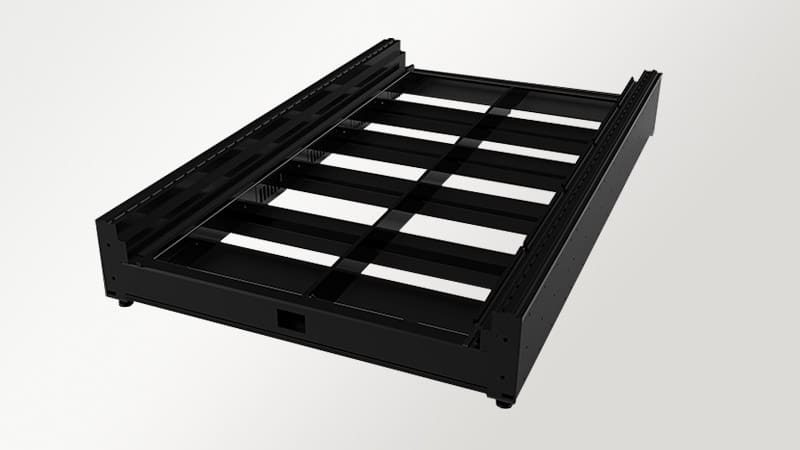
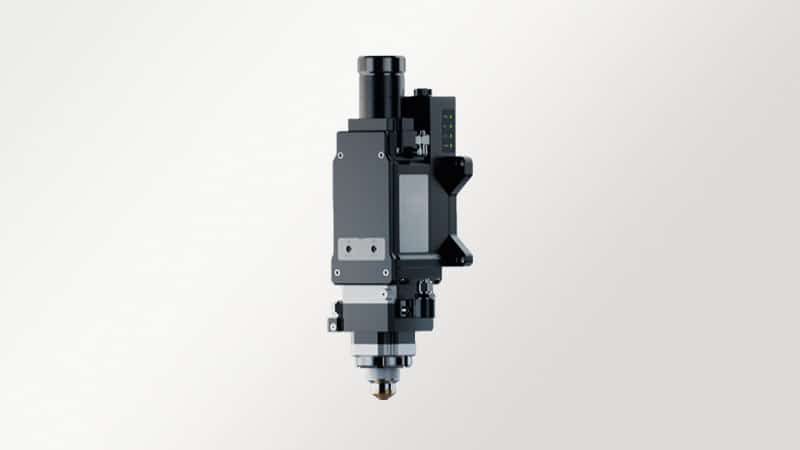
What stood out to me first was how stable the machine feels during operation. The heavy-duty bed keeps everything in place, even when running long shifts. I work mostly with steel sheets, and the cuts come out clean with very little need for finishing. The laser head tracks accurately, and I don’t have to constantly adjust settings. The system responds quickly, and movement feels smooth. It’s also quieter than I expected. I appreciate that it doesn’t overheat during extended use. So far, it’s been dependable, and I can trust it for daily work without worrying about unexpected issues.
Sophia –
From a design perspective, I care a lot about precision, and this machine delivers that well. The cuts are sharp and accurate, even on detailed patterns. I often work with thin metal sheets, and the results are clean without burn marks. The control system allows me to fine-tune settings easily, which helps when switching materials. It runs smoothly, and the movement feels controlled at all times. I also appreciate how consistent the results are between runs. It gives me confidence when preparing prototypes. Overall, it supports both creativity and efficiency in my work.
Daniel –
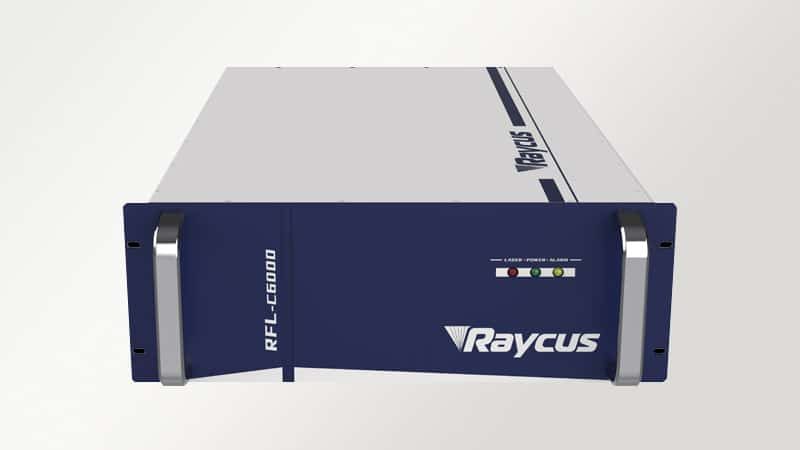
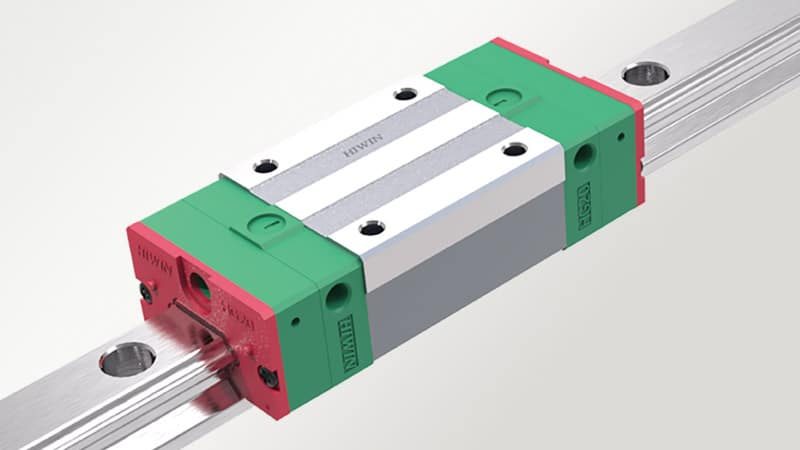
We brought this machine into our shop to improve efficiency, and it has done exactly that. The speed improvement is noticeable, especially when cutting complex shapes. The guide rail system keeps movement precise, and there’s no shaking even at higher speeds. Operators found the interface easy to understand, which reduced training time. The laser generator performs consistently, even after hours of use. I also like how stable the machine stays during continuous operation. It feels well-built and durable. We’ve been able to increase output without sacrificing quality, which is exactly what we needed.