| Cutting Principle |
Uses a focused laser beam to cut or engrave thin veneer sheets |
Uses a rotating bit to remove wood material |
Uses a vibrating blade to slice thin and flexible sheets |
Uses high-pressure water, sometimes with abrasive, to erode material |
| Material Suitability |
Very suitable for thin veneer, wood inlays, marquetry, and decorative patterns |
Less suitable for thin veneer because routing force can damage it |
Suitable for some veneers, especially simple shapes |
Can cut veneer, but rarely used because wood absorbs water |
| Cutting Precision |
High precision for small details, curves, and fine patterns |
Medium precision, limited by tool diameter |
Medium to high precision for simple shapes |
High precision, but not practical for veneer production |
| Edge Quality |
Clean, fine edges, sometimes with slight darkening |
May cause rough edges, tearing, or tool marks |
Clean edges if the blade is sharp and material is stable |
Smooth edges, but moisture can affect the veneer |
| Heat-Affected Zone |
Small heat mark may appear along the cut edge |
Minimal heat |
No heat |
No heat |
| Cutting Speed |
Fast for thin veneer sheets and detailed designs |
Slower for delicate veneer due to careful setup |
Fast for simple straight or curved cuts |
Slower and less cost-effective |
| Kerf Width |
Very narrow kerf, good for tight nesting and inlay work |
Wider kerf due to router bit size |
Medium kerf |
Medium kerf |
| Thin Sheet Performance |
Excellent for thin, fragile veneer |
Poor to limited because thin sheets may lift, crack, or tear |
Good, but requires stable holding and sharp blades |
Possible, but high risk of swelling or staining |
| Thick Veneer Performance |
Good for thicker veneer, depending on density and laser power |
Possible, but still requires careful fixturing |
Possible for softer veneer |
Possible, but rarely preferred |
| Complex Shape Cutting |
Excellent for letters, curves, inlays, logos, and decorative patterns |
Limited for small inner corners and fine lines |
Good for simple shapes, less ideal for tiny details |
Good, but slow and impractical |
| Surface Protection |
Non-contact cutting reduces scratches and pressure marks |
Tool contact and clamping may leave marks |
Blade pressure may leave slight marks |
Water may stain, swell, or warp the veneer |
| Chipping And Splitting |
Low risk when laser settings are optimized |
Higher risk of tearing, splintering, or breakout |
Possible splitting along wood grain |
Low cutting force, but moisture damage risk remains |
| Dust And Smoke |
Produces smoke and fumes that need extraction |
Produces wood dust and chips |
Produces little dust |
Produces wet slurry and wastewater |
| Tool Wear |
No physical cutting tool touches the veneer |
Router bits wear and may become dull |
Blades wear and need replacement |
Nozzle wear and possible abrasive consumption |
| Secondary Processing |
May need light cleaning or sanding for smoke marks |
Often needs sanding or edge repair |
Usually needs little finishing |
May need drying, flattening, or surface repair |
| Automation Capability |
Highly suitable for CNC-controlled batch cutting and nested layouts |
Automated, but not ideal for fragile veneer |
Suitable for automated cutting of simple veneer shapes |
Automated, but rarely used for veneer |
| Noise Level |
Low to medium |
High due to spindle noise |
Low to medium |
High due to pump pressure |
| Operating Cost |
Efficient for detailed veneer cutting and custom designs |
Tooling, fixturing, and finishing costs may increase |
Low for simple shapes, but less flexible for fine patterns |
High due to water, pump maintenance, and cleanup |
| Best Use Cases |
Wood inlays, marquetry, decorative panels, furniture veneers, crafts, logos, and custom patterns |
Thick wood boards, grooves, pockets, and solid wood machining |
Simple veneer shapes, paper, cardboard, leather, fabric, and soft sheets |
Stone, glass, metal, composites, and water-tolerant materials |
| Overall Advantage |
Best for detailed, non-contact veneer cutting with high precision and design flexibility |
Less suitable for thin veneer, better for rigid wood machining |
Useful for simple veneer shapes, but less ideal for fine decorative work |
Not commonly used for veneer because moisture, cost, and cleanup reduce practicality |























4 reviews for Acrylic Laser Cutting Machine
Olivia –
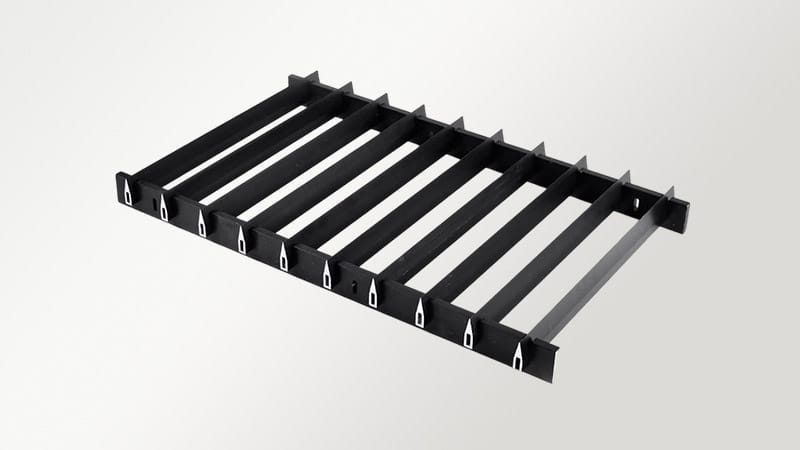
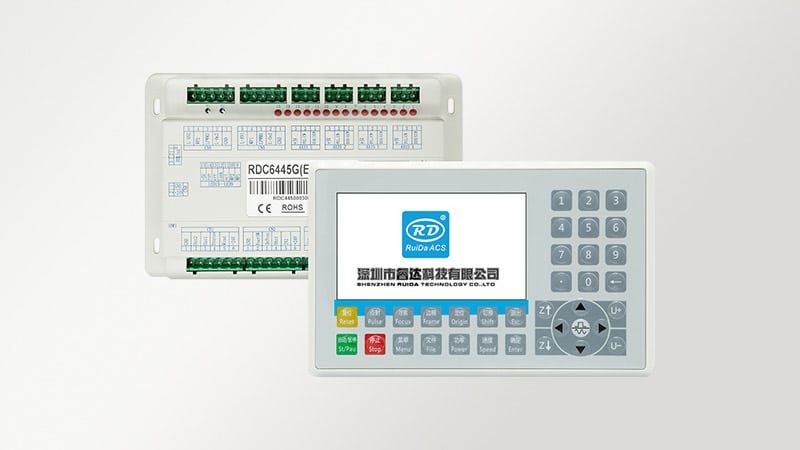
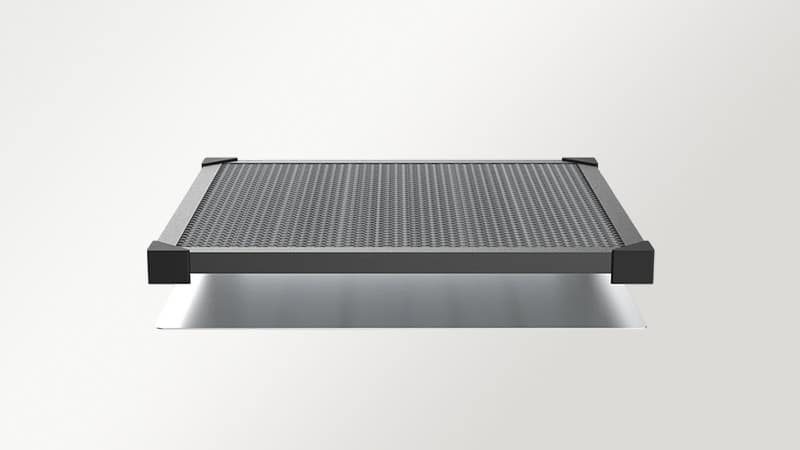
We use this CO2 laser cutting machine for packaging prototypes, and it has worked well for our needs. The control system allows quick adjustments when testing new designs. The aluminum strip worktable helps keep the underside of materials clean, improving presentation. The cuts are consistent, and we don’t waste much material. The machine runs smoothly and feels stable during operation. It’s a reliable tool for both design and small-scale production work.
Nolan –
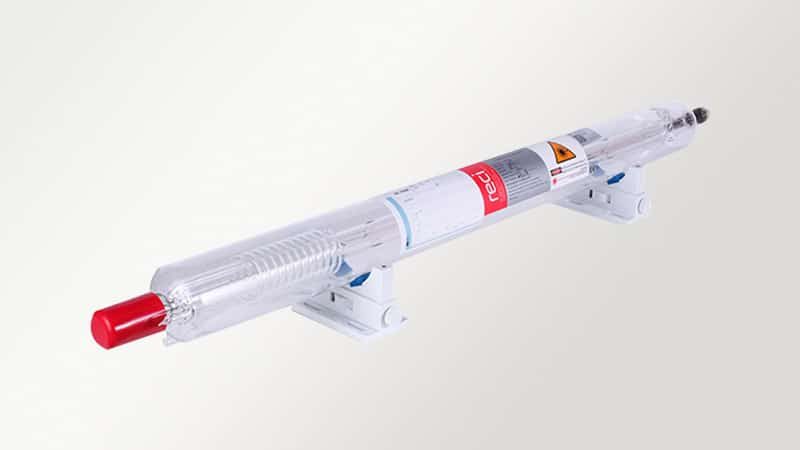
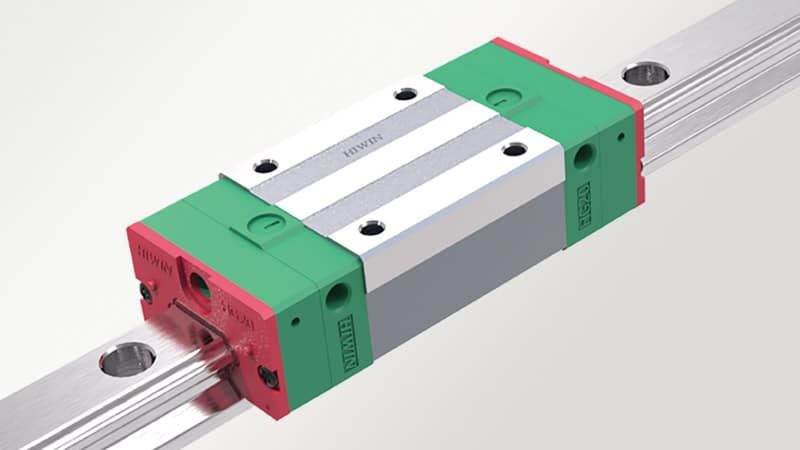
From a maintenance point of view, this machine is simple and reliable. The guide rails and stepper motors hold up well over time, and the system does not require frequent adjustments. The laser tube provides a stable output, which helps maintain consistent performance. The belt drive runs smoothly and keeps noise levels low. It’s a machine that doesn’t need constant attention, which is important in a busy workshop. Overall, it’s easy to maintain and dependable.
Mira –
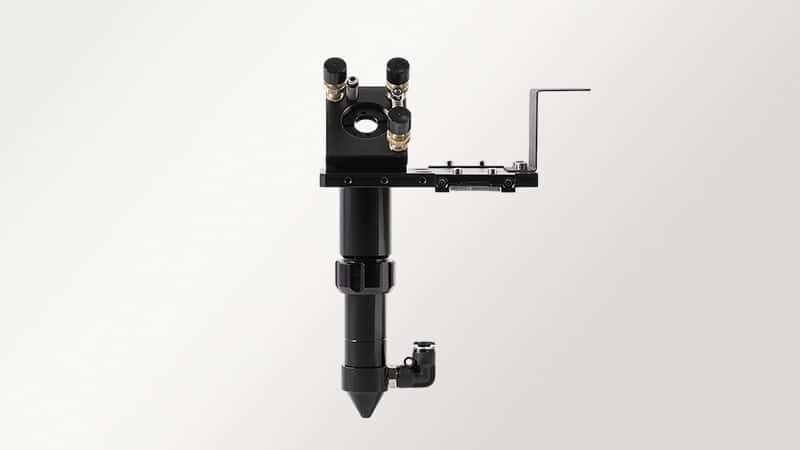
I use this CO2 laser cutting machine for making custom decorative items, and it has been a great help. The cutting head is precise, allowing me to create detailed patterns without rough edges. The machine is easy to operate, and I was able to learn it quickly. I also like how consistent the results are, even when working with different materials. It has been reliable for daily use and supports my growing business.
Leon –
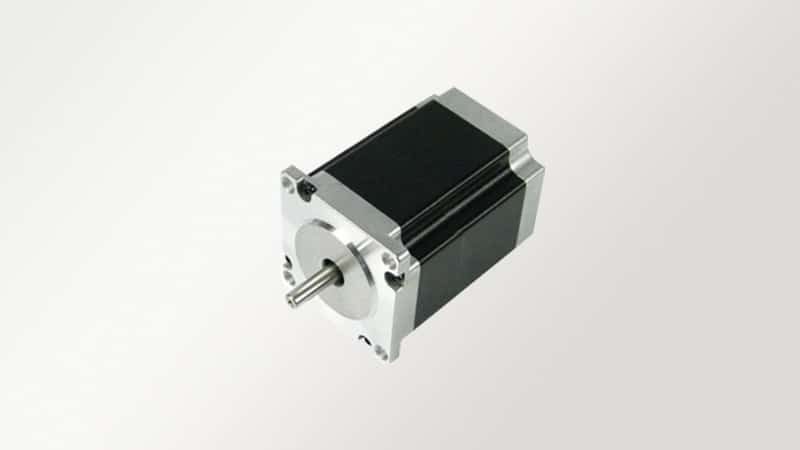
From an operator’s perspective, this machine is easy to use and performs consistently. The stepper motor provides accurate positioning, which is helpful for repeat jobs. The guide rails move smoothly, and there is no noticeable shaking during cutting. The control system responds well, and we don’t encounter many errors. It’s a practical machine that fits into our production line without adding extra complexity. It has been reliable during long shifts.