| Cutting Principle |
Uses a focused fiber laser beam to melt and cut copper |
Uses a plasma arc to melt conductive metal |
Uses high-pressure water and abrasive to erode material |
Uses saws, shears, punches, milling tools, or cutting blades |
| Material Suitability |
Suitable for copper sheets and plates with proper laser power |
Can cut conductive copper, but edge quality may be unstable |
Suitable for copper and many other materials |
Suitable for copper, but tool setup is important |
| Reflective Material Handling |
Modern fiber lasers can cut copper effectively with proper protection |
Not strongly affected by reflectivity |
Not affected by reflectivity |
Not affected by reflectivity |
| Cutting Precision |
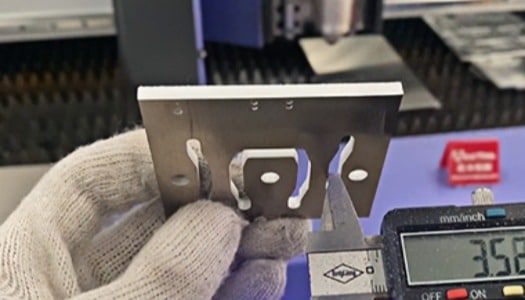
High precision for detailed copper parts |
Medium precision |
High precision, but slower |
Medium precision, depends on tooling and machine rigidity |
| Edge Quality |
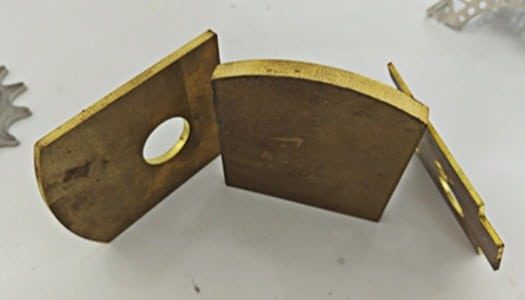
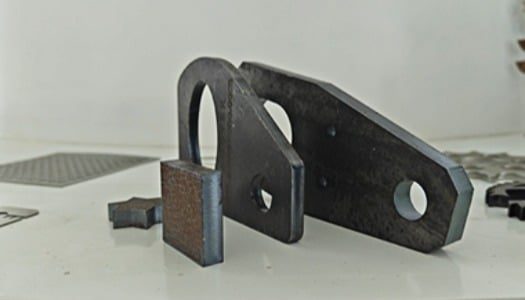
Clean edges with minimal burrs when parameters are optimized |
Rougher edges with more dross |
Smooth, cold-cut edges |
May leave burrs, chips, or tool marks |
| Heat-Affected Zone |
Small heat-affected zone |
Larger heat-affected zone |
No heat-affected zone |
Minimal heat, but mechanical stress may occur |
| Cutting Speed |
Fast for thin and medium copper sheets |
Fast for rough cutting, but less precise |
Slower than laser and plasma |
Moderate, often slower for complex shapes |
| Thin Sheet Performance |
Excellent for thin copper sheets and fine contours |
May cause overheating or edge roughness |
Good, but less efficient |
Possible, but sheet deformation may occur |
| Thick Plate Performance |
Requires higher laser power and stable process control |
Can cut thicker copper, but quality may vary |
Good for thick copper plates |
Limited by tool force and machine capacity |
| Kerf Width |
Narrow kerf, saving copper material |
Wider kerf |
Medium kerf |
Usually wider than laser cutting |
| Material Waste |
Low waste due to narrow cutting path |
Higher waste than laser |
Moderate waste from kerf and abrasive use |
Higher waste from chips and tool path |
| Burr Formation |
Minimal burrs with proper settings |
More dross and edge cleanup needed |
Minimal burrs |
Burrs are common |
| Thermal Deformation |
Low with optimized parameters |
Higher risk due to heat input |
No thermal deformation |
Possible bending or stress from cutting force |
| Surface Finish |
Maintains a clean copper surface |
May cause oxidation and discoloration |
Preserves original surface well |
May scratch or mark the surface |
| Secondary Processing |
Often little deburring or polishing needed |
Often requires grinding or cleaning |
Usually little secondary processing |
Often requires deburring, polishing, or edge finishing |
| Complex Shape Cutting |
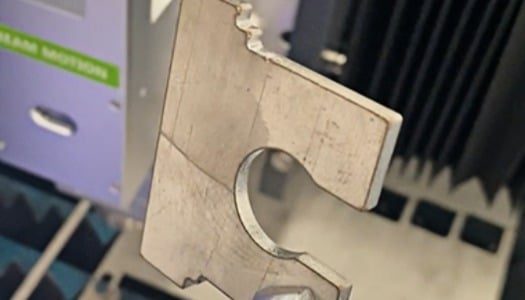
Excellent for holes, slots, curves, and fine patterns |
Good for simple and medium-complex shapes |
Good for complex shapes, but slower |
Limited for intricate designs |
| Automation Capability |
Highly suitable for CNC automation and batch production |
Suitable for CNC cutting |
Suitable for CNC cutting |
Automation possible, but tool changes may be needed |
| Tool Wear |
No physical cutting tool contacts the copper |
Electrode and nozzle wear |
Nozzle wear and abrasive consumption |
Cutting tools wear and may clog with copper chips |
| Best Use Cases |
Copper electrical parts, busbars, terminals, connectors, plates, and precision components |
Rough cutting of conductive copper parts |
Thick copper plates or heat-sensitive parts |
Straight cuts, drilling, milling, sawing, and small-batch work |
| Overall Advantage |
Best balance of precision, speed, automation, edge quality, and material savings |
Good for rough conductive metal cutting |
Best when cold cutting and no heat effect are required |
Good for simple, low-cost copper processing tasks |




















4 reviews for Copper Laser Cutting Machine
Amelia –
Since introducing this machine into our production line, we’ve seen a clear improvement in efficiency. It runs consistently, which helps us meet tight deadlines without delays. The nesting feature reduces material waste, which is important for cost management. Operators find it easy to use, and training new staff has been quick. It fits well into our workflow and supports steady production. Overall, it’s a reliable machine that contributes to smoother operations.
Benjamin –
This machine is straightforward to use and performs well in daily factory operations. The controls are clear, and setting up new jobs doesn’t take much time. It runs smoothly without excessive noise or vibration, which makes it comfortable to work with. The cutting quality is consistent, and there’s less need for additional processing afterward. It also handles long shifts without any issues. So far, it has been reliable, and I haven’t experienced any major problems during operation.
James –
Running a small business means I need equipment that is both reliable and efficient, and this machine meets those needs well. It handles a variety of materials without any issues and produces consistent results every time. The control system is simple enough that new employees can learn it quickly. It also runs smoothly without frequent maintenance, which helps reduce downtime. Since adding it to our workshop, we’ve been able to increase productivity without hiring extra staff. Overall, it’s a practical investment that supports steady growth and improves overall efficiency.
Charlotte –
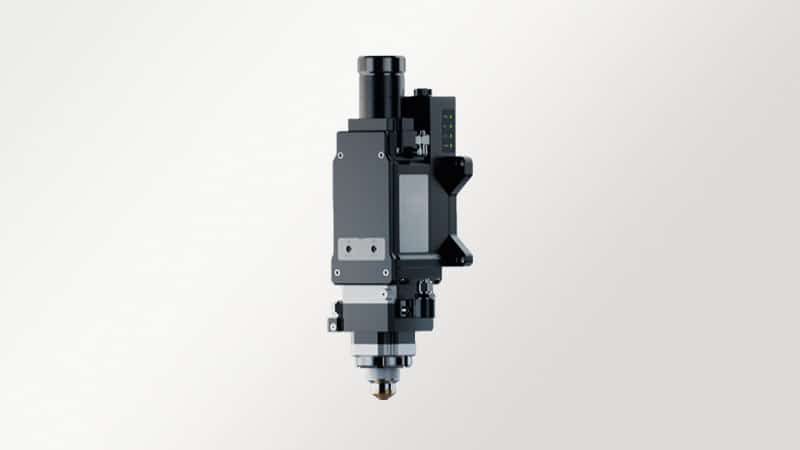
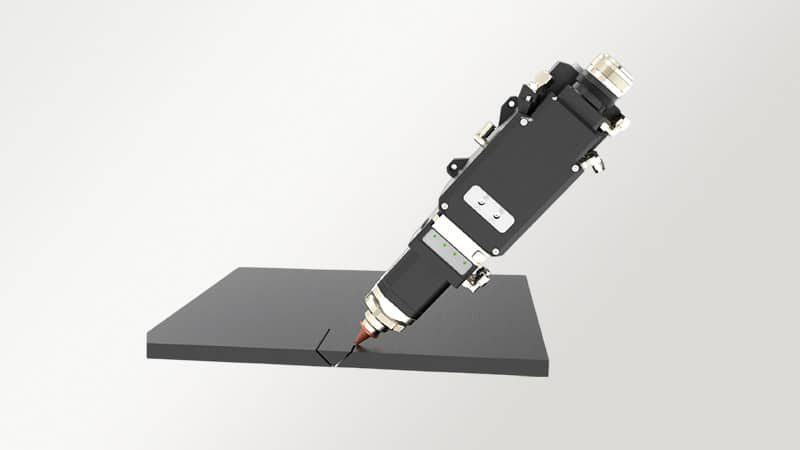
Precision is critical in my work, and this machine delivers accurate results consistently. The cutting head maintains a stable focal point, which improves edge quality and reduces defects. I can rely on it when working on detailed components that require tight tolerances. The control system allows for easy adjustments, making it simple to switch between different materials. It runs smoothly and performs well during long sessions. The overall experience has been positive, and it supports both design and production tasks effectively.