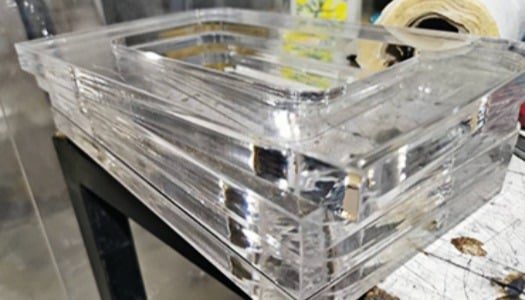
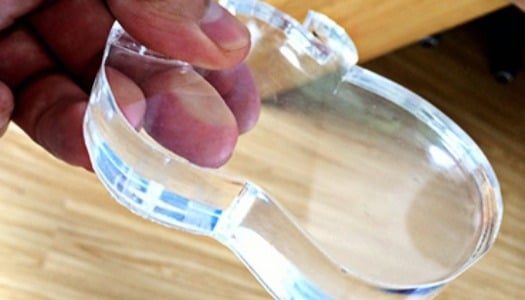
Delrin Laser Cutting Machine

High-precision Delrin laser cutting machine with durable aluminum worktable, stable CO2 laser tube, smooth guide rails, and reliable control system for accurate, consistent non-metal cutting.
Home - Laser Cutting Machine - Delrin Laser Cutting Machine
Delrin Laser Cutting Machine
(4 customer reviews)
$2,700 – $8,000
Model: AKJ
Working Area: 600*400mm, 900*600mm, 1300*900mm, 1600*1000mm, 1800*1000mm, 1300*2500mm, 1500*3000mm
Guide Rail: HIWIN
Laser Tube: Reci, Yongli, EFR, SLW
Laser Power Range: 80-600W
Control Software: Ruida

Product Introduction

The Delrin laser cutting machine is engineered for high-precision processing of Delrin and other non-metal materials. Featuring a durable aluminum strip worktable, it provides stable support while minimizing contact to prevent burn marks and heat buildup, ensuring clean, high-quality cuts. Its reliable control system coordinates motion, laser output, and cutting paths, allowing precise positioning and smooth operation for both simple and complex designs. The stable CO2 laser tube delivers consistent infrared laser output with excellent beam quality, while the precision cutting head and dependable mirror and lens system focus and guide the laser for sharp, accurate edges. Low-noise belt drive and smooth guide rails enhance stability, reduce vibration, and ensure consistent performance, even in continuous production. Equipped with an economical stepper motor and robust design, this machine offers efficiency, reliability, and minimal maintenance, making it ideal for industrial, prototyping, and precision cutting applications in engineering and manufacturing environments.

Product Configuration

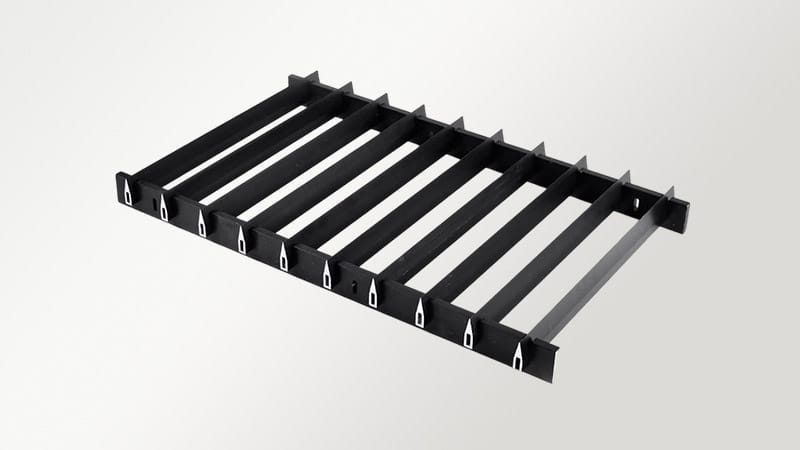
Durable Aluminum Strip Worktable

Durable Aluminum Strip Worktable

The aluminum strip worktable consists of evenly spaced aluminum slats that support materials during CO2 laser cutting. This design reduces surface contact, helping prevent burn marks and heat buildup on the underside of the workpiece. It also allows smoke and debris to pass through easily, improving cutting quality. The corrosion-resistant structure ensures durability and stable performance over extended use.

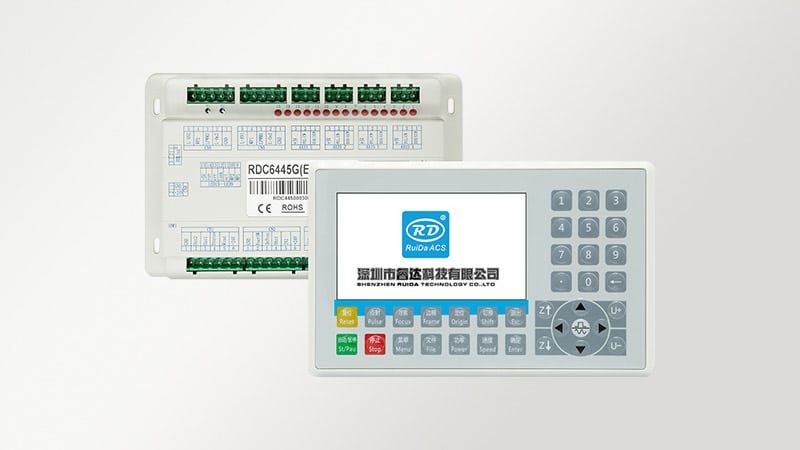
Reliable Control System

The control system manages the operation of the machine by coordinating motion, laser output, and cutting paths. It provides an interface for setting parameters, monitoring performance, and executing precise cutting tasks. The system ensures accurate positioning, smooth operation, and consistent results. Its integrated functions help optimize efficiency and reduce errors during complex or continuous production processes.
Reliable Control System
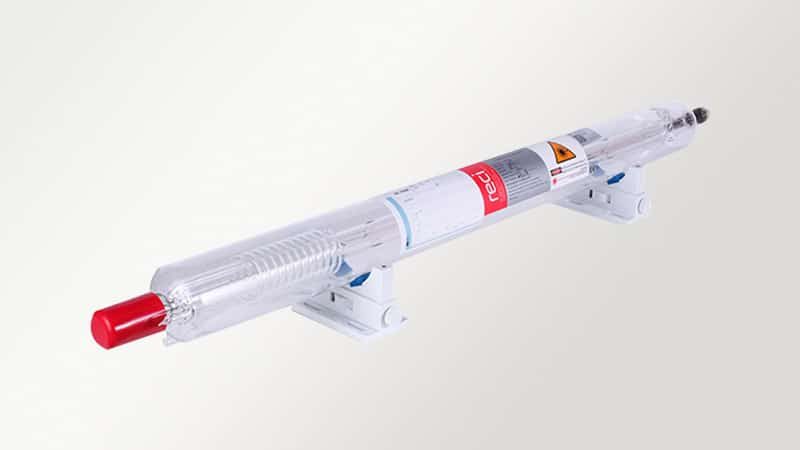
Stable CO2 Laser Tube

Stable CO2 Laser Tube

The CO2 laser tube is the core component that generates the laser beam for cutting and engraving. It uses a gas mixture excited by electrical discharge to produce a stable infrared laser. The structure ensures consistent output power, good beam quality, and efficient energy conversion. Its design supports precise processing of non-metal materials, delivering reliable performance in continuous operation.

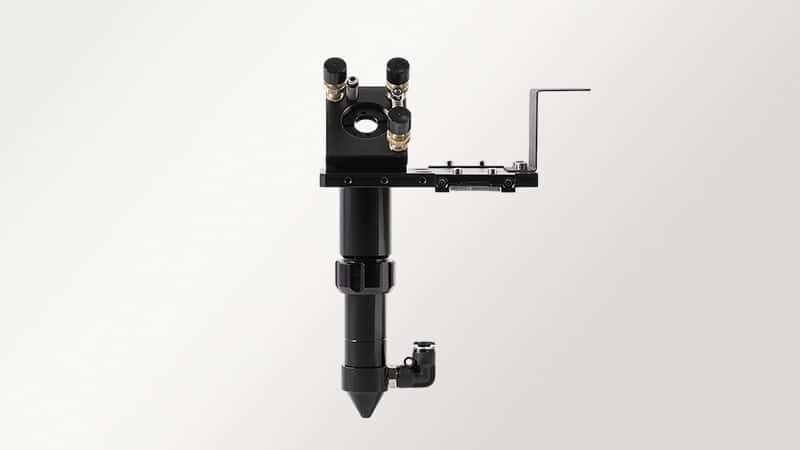
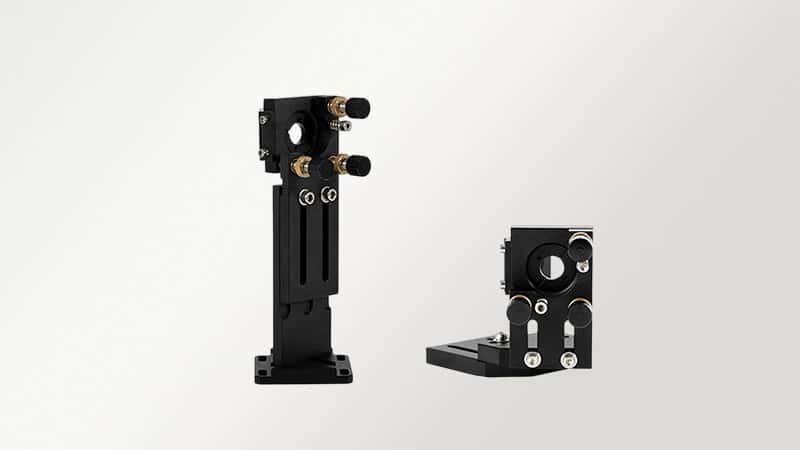
Precise CO2 Laser Cutting Head

The CO2 laser cutting head directs and focuses the laser beam onto the material surface for precise cutting. It integrates focusing lenses, air assist nozzles, and adjustment mechanisms to maintain optimal cutting conditions. The structure ensures accurate beam alignment, smooth edges, and efficient material processing. Its stable design supports consistent performance across various non-metal materials and thicknesses.
Precise CO2 Laser Cutting Head
Dependable Mirror And Lens

Dependable Mirror And Lens

The mirror and lens guide concentrate the laser beam within the machine. Mirrors reflect the beam precisely along its path, while the lens focuses it into a fine point for accurate cutting. This structure maintains stable beam transmission, reduces energy loss, and ensures consistent processing quality. Its well-aligned design supports dependable performance in continuous and detailed applications.

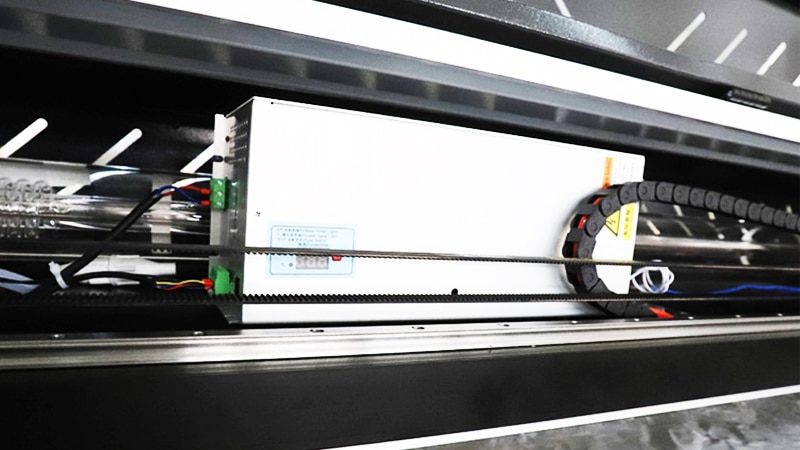
Low-Noise Belt Drive Device

The belt drive device transfers motion in the machine through a belt and pulley system. It enables smooth, low-noise movement and consistent speed during operation. The structure reduces vibration and simplifies maintenance, making it suitable for precise yet moderate-load applications. Its reliable transmission supports stable cutting performance and helps maintain accuracy in routine processing tasks.
Low-Noise Belt Drive Device
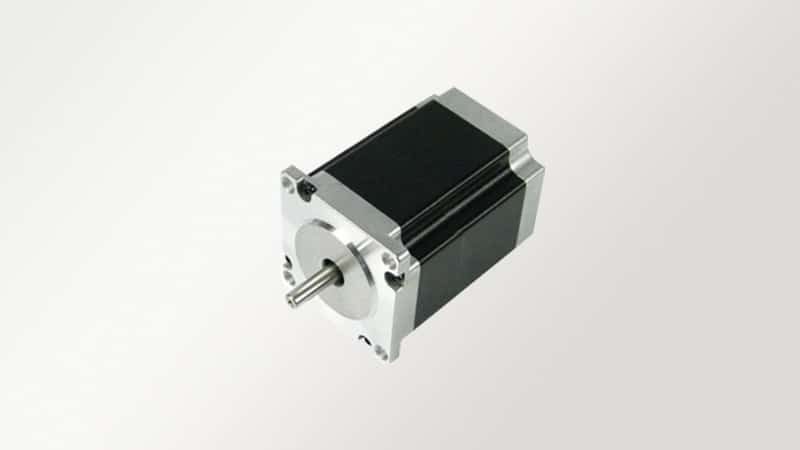
Economical Stepper Motor

Economical Stepper Motor

The stepper motor controls movement in the machine by advancing in fixed, precise increments. This enables accurate positioning and repeatable motion without complex feedback systems. The structure ensures stable performance at moderate speeds, making it suitable for detailed cutting work. Its straightforward design supports consistent operation, low maintenance, and reliable results in routine production tasks.

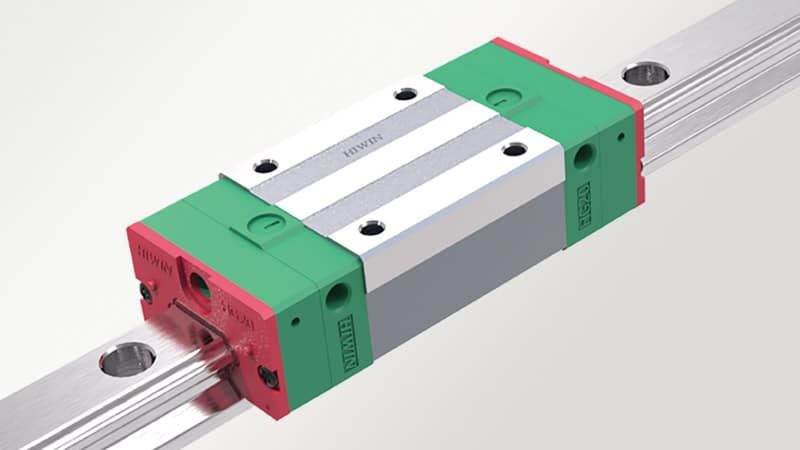
Smooth Guide Rail

The guide rail provides precise linear motion for the moving components of the machine. It ensures smooth travel and accurate positioning of the cutting head during operation. The structure reduces friction and vibration, improving stability and cutting accuracy. Its durable design supports long-term use and consistent performance, even under continuous working conditions.
Smooth Guide Rail

Product Parameters

Model AKJ6040 AKJ9060 AKJ1390 AKJ1610 AKJ1318 AKJ1325 AKJ1530
Cutting Range 600*400mm 900*600mm 1300*900mm 1600*1000mm 1300*1800mm 1300*2500mm 1500*3000mm
CO2 Laser Power 80-600W
CO2 Laser Tube Reci/Yongli/SLW/EFR
Transmission System Belt Drive
Linear Guide Rail HIWIN
Motor Type Stepper Motor
Control System RuiDa
Min line width ≤0.15mm
Position accuracy 0.01mm
Repetition accuracy 0.02mm
Max Cutting speed 150mm/s
Max Engraving Speed 300mm/s
Voltage and Frequency 220v/50HZ, 110V/60HZ
Graphic Format PLT, DXF, BMP, JPG, AI, etc
Working Environment 0-45℃
Operating Humidity 5-95%

Optional Configuration

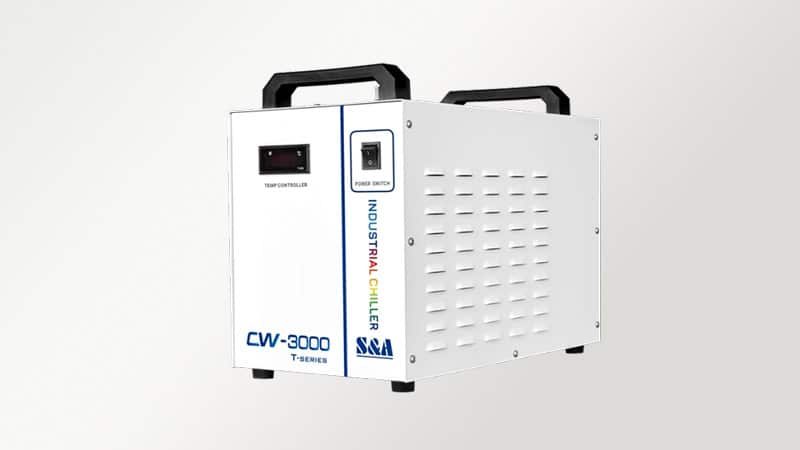
Consistent Industrial Chiller

Consistent Industrial Chiller

The industrial chiller removes heat from the machine by circulating cooled water through critical components. It keeps temperatures within a controlled range, preventing overheating and stabilizing laser output. The system supports long, continuous operation while protecting sensitive parts from thermal damage. Its consistent cooling performance helps maintain cutting accuracy and extends the machine’s service life.

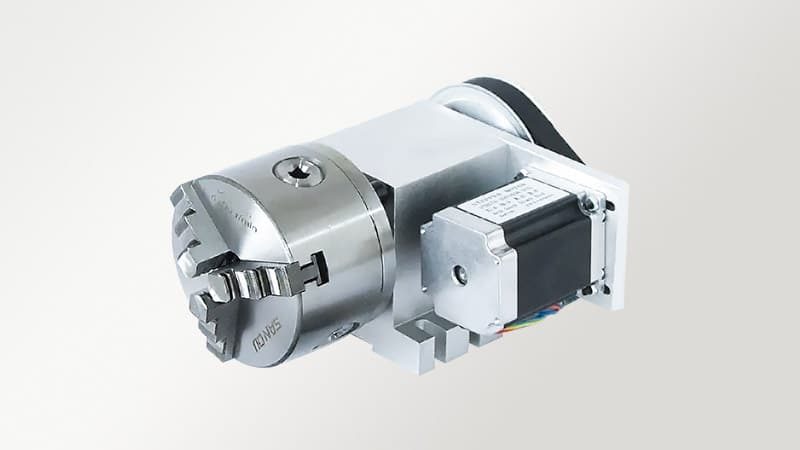
Versatile Rotating Device

The rotating device enables the machine to process cylindrical or tubular materials by rotating the workpiece during operation. It ensures even cutting around the surface, maintaining consistent accuracy and alignment. The structure supports stable rotation and precise control, improving cutting quality for round or curved objects. Its design expands the machine’s capabilities for diverse and specialized applications.
Versatile Rotating Device
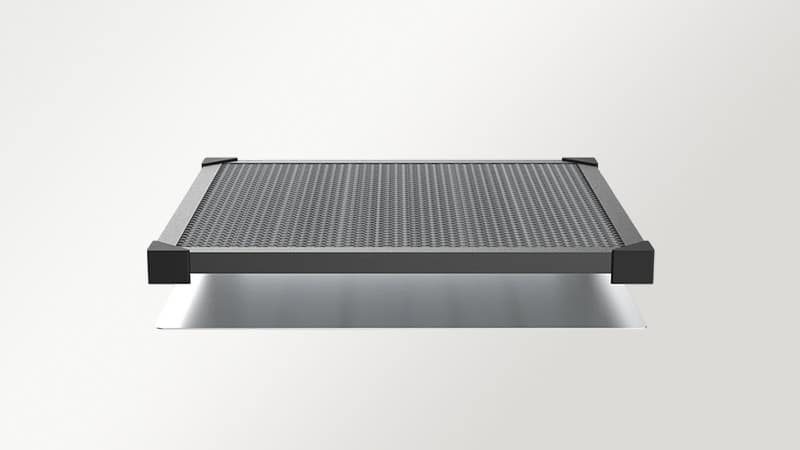
Ventilated Honeycomb Worktable

Ventilated Honeycomb Worktable

The honeycomb worktable features a grid structure that supports materials while minimizing contact during CO2 laser cutting. This design reduces heat buildup and helps prevent burn marks on the underside of the workpiece. Its open cells allow smoke and debris to pass through easily, improving airflow and cleanliness. The structure ensures stable support and consistent cutting results across various materials.

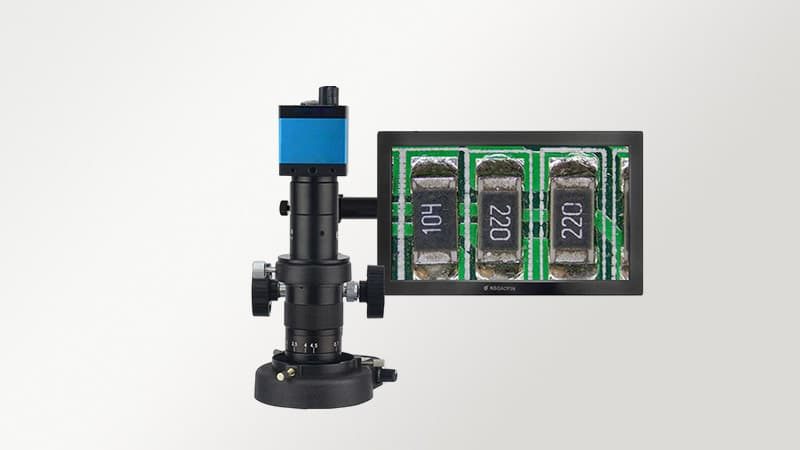
Accurate CCD Camera

The CCD camera provides real-time visual feedback for positioning in the machine. It captures images of the workpiece to detect edges, patterns, and registration marks, guiding accurate cutting paths. The structure reduces manual alignment and improves efficiency. Its precise image recognition ensures consistent results, especially in detailed and contour-based processing tasks.
Accurate CCD Camera

Compared With Other Cutting Methods

Comparison Item Laser Cutting CNC Routing Oscillating Knife Cutting Waterjet Cutting
Cutting Principle Uses a focused laser beam to cut Delrin with heat energy Uses a rotating router bit to remove material Uses a vibrating blade to slice thin sheets Uses high-pressure water, sometimes with abrasive
Cutting Accuracy High accuracy for thin Delrin sheets and detailed shapes High accuracy for rigid Delrin boards and machined parts Moderate accuracy, mainly for simple thin-sheet shapes High accuracy, especially for thicker plates
Edge Quality Smooth edges are possible, but heat may cause melting or darkening Clean mechanical edge, often suitable for functional parts Clean edge on thin sheets, but limited on hard panels Smooth edge, but parts may need drying and cleaning
Heat Effect Produces heat, so Delrin may melt, discolor, or deform Low heat, mainly from tool friction No thermal damage Almost no thermal damage
Fume Control Requires strong exhaust and filtration because Delrin can release irritating fumes when heated Produces chips and dust, requiring dust collection Produces little dust and no heat fumes Produces wet waste and possible slurry
Suitable Thickness Best for thin to medium Delrin sheets Suitable for thin to thick Delrin boards Best for very thin sheets or flexible plastic films Suitable for thick Delrin plates
Cutting Speed Fast for thin sheets and repeated patterns Fast and stable for thicker rigid plastic parts Fast for simple thin-sheet cutting Slower setup, but stable for thick materials
Detail Cutting Excellent for small holes, curves, slots, and fine profiles Limited by router bit diameter, but strong for precision machining Limited by blade size and turning radius Good, but very small details can be difficult
Kerf Width Very narrow cutting gap Wider kerf due to tool size Narrow kerf Narrow to medium kerf
Tool Wear No physical cutting tool contacts the material Router bits wear and need replacement Blades wear and need replacement Nozzle, seals, and pump parts wear over time
Burr Formation Usually low, but melted edges may appear if parameters are poor Burrs or rough edges may require deburring Low burr formation on thin sheets Low burr formation, but wet edges may need cleaning
Material Fixing Simple for flat sheets, often using honeycomb or vacuum support Requires firm clamping or vacuum holding Requires stable flat support Requires water-resistant support and anti-movement control
Setup Time Short setup after laser parameters are prepared Requires tool selection, clamping, and feed-speed adjustment Simple setup for thin sheet materials Longer setup due to water pressure and tank preparation
Dust And Waste Low solid waste, but smoke and gas must be managed Produces Delrin chips and dust Very little solid waste Produces water, slurry, and possible abrasive waste
Noise Level Relatively quiet, but exhaust system adds noise High noise from spindle and cutting action Low to medium noise High noise from pump and waterjet stream
Maintenance Needs Laser optics, exhaust, filters, and motion parts need regular care Router bits, spindle, dust system, and guide rails need care Blades, cutting mat, and drive system need care Pump, nozzle, seals, water system, and abrasive system need care
Operating Cost Low tool cost, but ventilation and filtration add cost Medium cost due to bit wear and chip handling Low cost for thin sheet cutting Higher cost due to pump power, water, parts, and abrasive
Production Flexibility Easy to switch designs by changing digital files Flexible, but tool changes and fixturing may be needed Flexible for simple thin-sheet profiles Flexible, but setup and water handling are more complex
Best Applications Thin Delrin sheets, precision templates, spacers, small parts, and detailed profiles Thick Delrin boards, gears, bushings, fixtures, plates, and machined components Thin sheets, simple outlines, gaskets, and light-duty plastic parts Thick plates or projects where heat and tool stress must be avoided
Main Limitation Delrin laser cutting needs careful fume control and parameter settings to reduce melting and odor Tool marks, chips, vibration, and bit wear Not ideal for thick or hard Delrin boards Higher machine cost, wet processing, and slower setup

Product Application

The Delrin laser cutting machine is ideal for precise cutting, engraving, and shaping of Delrin and other non-metal materials in various industries. It is widely used in engineering and manufacturing for producing mechanical components, gears, bushings, and prototypes requiring high dimensional accuracy. Its durable aluminum strip worktable and stable CO2 laser tube ensure smooth, clean cuts without material distortion, making it suitable for industrial production and batch manufacturing. The machine also excels in crafting intricate designs, model parts, and custom components for robotics, electronics, and automotive applications. With its reliable control system, precision cutting head, and low-noise belt drive, it supports repetitive and high-volume production while maintaining consistent quality. Its versatility extends to educational institutions, laboratories, and prototyping workshops, enabling detailed machining of technical models, jigs, and functional parts. Overall, it offers efficiency, accuracy, and reliability for a broad range of industrial and technical applications.
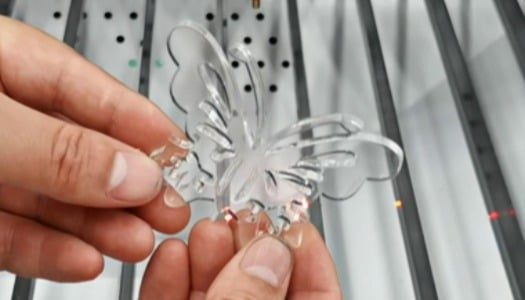
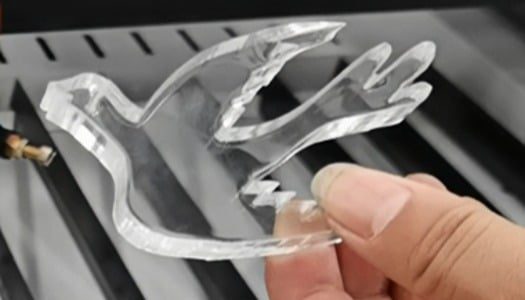
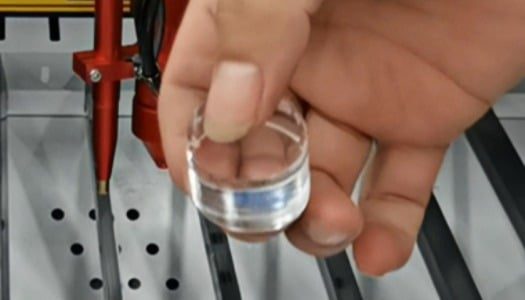
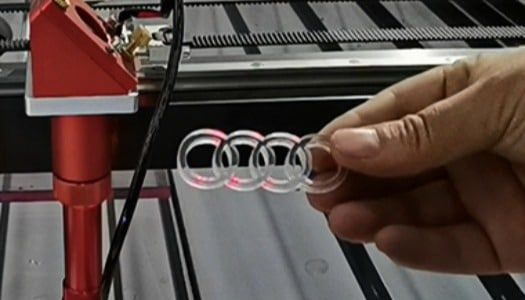
CO2 Laser Cutting Samples

Why Choose AccTek Laser

Advanced Laser Technology

AccTek Laser integrates advanced laser technology into its cutting machines to deliver high precision, stable performance, and efficient cutting results. Their systems use reliable laser sources and optimized control systems, ensuring that operators achieve consistent cuts with minimal material waste. This innovation also helps in enhancing material quality while reducing the risk of thermal damage during the cutting process.

Wide Range of Machine Options

AccTek Laser offers a broad selection of laser cutting machines with different power levels and configurations to suit diverse application requirements. Customers can choose from compact, portable systems for small-scale operations to large industrial machines for high-volume cutting tasks. This makes it easy to find the right solution for cutting metal sheets, plastics, ceramics, and more, ensuring versatility for various industries.

High-Quality Components

AccTek Laser machines are built using top-quality components sourced from globally recognized suppliers. This includes durable laser sources, cutting-edge scanning systems, and reliable control electronics. By using premium parts, AccTek Laser enhances machine stability, extends service life, and ensures consistent performance under demanding operating conditions, ultimately reducing maintenance needs.

Customization and Flexible Solutions

AccTek Laser provides flexible customization options to meet specific customer needs. Machine features like laser power, cutting speed, cooling systems, and automation integration can be tailored to suit different production environments and application requirements. This flexibility ensures that customers achieve optimal cutting performance, productivity, and cost-efficiency.

Professional Technical Support

AccTek Laser offers comprehensive technical support throughout the entire purchase and operation process. Their experienced team assists with machine selection, installation, operation training, and troubleshooting. This level of support helps customers seamlessly adapt to laser cutting technology, ensuring smooth operations and quick issue resolution when necessary.

Reliable Global Service

With years of experience serving customers globally, AccTek Laser provides dependable international service and support. They offer detailed documentation, remote assistance, and responsive after-sales service to help customers maintain their machines and minimize downtime. This ensures that customers can continue their operations with minimal disruptions, enhancing long-term productivity and customer satisfaction.

Related Resources

Are Chinese Laser Cutting Machines Good

Are Chinese Laser Cutting Machines Good?

This article mainly teaches you how to choose a suitable Chinese brand laser cutting machine. If you are also thinking of getting one, please read this article patiently; you will

Customer Testimonials

4 reviews for Delrin Laser Cutting Machine

  1. Hugo

    We use this CO2 laser cutting machine for producing detailed wooden parts, and it has been a reliable machine in our shop. The aluminum strip worktable helps reduce burn marks on the underside, which saves time during finishing. The control system is simple to understand, so even new workers can operate it without much trouble. The cutting head delivers smooth edges, and the results stay consistent across long production runs. The machine runs steadily with very little vibration, which helps maintain accuracy. It has been dependable for daily use and fits well into our existing workflow without adding complexity.

  2. Ingrid

    I design and produce acrylic display products, and this CO2 laser cutting machine has worked well for my needs. The cutting head provides clean and smooth edges, which reduces the need for polishing after cutting. The mirror and lens system seems stable, since I don’t have to adjust it often. The control system is easy to manage, and switching between different designs is quick. I also like how quietly the machine runs during operation. It has been reliable for both small projects and larger batches, making it a useful tool in my daily work.

  3. Greta

    I create decorative products using different materials, and this CO2 laser cutting machine has been a reliable tool for my work. The cutting head is precise, allowing me to produce detailed patterns with clean edges. The machine is easy to operate, and I didn’t need much time to learn how to use it. I also like how consistent the results are across different materials. It runs smoothly and feels stable during operation. It has been reliable for daily use and helps me complete both custom and batch orders efficiently.

  4. Jonas

    From an operator’s perspective, this machine is straightforward and dependable. The stepper motor provides accurate positioning, which is important for repeat jobs. The guide rails move smoothly, and there is no noticeable shaking during operation. The control system responds well, and we don’t encounter many errors during production. The machine runs consistently, even during long shifts. It’s a practical solution for daily work and doesn’t require constant adjustments or supervision.

Add a review

Your email address will not be published. Required fields are marked *

10 − 9 =

Frequently Asked Questions

Can Delrin Be Cut With A Laser Cutting Machine?

Yes, Delrin can be cut with a laser cutting machine. Delrin is a thermoplastic material known for its excellent mechanical properties, low coefficient of friction, and dimensional stability. Laser cutting is a popular delrin processing method because it enables precise cuts without physical contact, minimizing distortion or material loss.

When Delrin is cut with a laser cutting machine, a focused laser beam heats and vaporizes the material, creating narrow cuts with high precision. When cutting, laser parameters (such as laser power, cutting speed, focal length, etc.) need to be properly adjusted according to the thickness and characteristics of the Delrin sheet to be cut. This is for the cutting process to be efficient and produce clean edges without excessive melting or charring.

As with any laser cutting process, it is critical to follow safety guidelines and ensure proper ventilation to manage fumes generated during cutting. Additionally, testing and parameter adjustments may be required to optimize the cutting process for a particular thickness and design.

The maximum thickness of Delrin that a laser can effectively cut depends on a variety of factors, including laser power, beam quality, and the capabilities of a particular machine. In general, Delrin is a thermoplastic that is relatively easy to cut with a laser due to its low melting point and thermal properties.

CO2 laser generators are commonly used to cut plastics such as Delrin. Generally, you can achieve clean cuts on Delrin up to 25-30mm thick. Thicknesses beyond this range may result in reduced cut quality due to increased heat absorption and longer processing times.

These thickness ranges are approximate and actual cutting energy may vary depending on the specific laser cutting machine, laser power, quality of optics, and desired cutting speed. Additionally, thicker materials may require slower cutting speeds and may result in a more pronounced heat-affected zone along the cut edge.

It is recommended to consult the laser cutting machine manufacturer or supplier before purchasing for specific advice on cutting Delrin in various thicknesses. Testing samples of Delrin material at different thicknesses can help determine the best settings and limits for the laser-cutting machine you are using.

While laser cutting is a versatile and precise method for working with Delrin materials, there are some drawbacks and challenges associated with laser cutting Delrin. Here are some potential disadvantages:

  • Melting and Scorching: Delrin has a relatively low melting point compared to other plastics, and laser cutting accomplishes cutting by generating heat that melts the material. Therefore, if the laser power or cutting speed is not adjusted properly, it may cause the edges to melt or burn, thus affecting the overall quality of the cut.
  • Smoke and Odor: Laser-cutting Delrin can produce unpleasant or harmful smoke and odor. Adequate ventilation and smoke extraction systems help maintain a safe working environment and prevent the accumulation of smoke.
  • Material Thickness Limitations: While lasers can effectively cut Delrin materials, there may be limitations for very thin or very thick sheets. The right balance between laser power and cutting speed needs to be found for different material thicknesses.
  • Edge Quality: Laser cutting on Delrin may cause slight discoloration or residue from melting. While the edges are usually smooth, some post-processing may be required to achieve the desired finish.
  • Equipment Cost: Laser-cutting machines can be expensive to purchase and maintain, especially for high-quality laser-cutting equipment. This can be a stumbling block for small businesses or individuals wishing to cut Delrin materials.
  • Safety Note: Laser cutting involves the use of high-powered lasers, which can be dangerous if not handled properly. Adequate safety precautions, including protective eyewear and proper training, help keep operators safe.
  • Maintenance and Calibration: Laser cutting machines, like any precision equipment, require regular maintenance and calibration to ensure consistent and accurate cuts. Over time, optics, lenses, and other components may need cleaning or replacement, and this ongoing maintenance can increase operating costs.
  • Training and Expertise: Operating a laser cutting machine requires proper training and expertise to optimize settings, ensure safety, and achieve desired results. Improper operation may result in wasted material and poor cutting results.
  • High-Temperature Brittleness: The Delrin materials can become brittle at high temperatures. During laser cutting, localized heating may cause temporary embrittlement of the cut area, which may result in cracking or breakage.

Despite these potential drawbacks, lasers remain a valuable method for cutting Delrin materials to achieve precision cuts and complex designs. Many of these disadvantages can be mitigated through appropriate machine setup, careful parameter selection, and suitable post-processing techniques. Thoroughly understand the limitations and challenges associated with laser cutting Delrin and work with an experienced professional or expert in laser cutting technology to achieve the best results.

Laser-cutting Delrin is safe if proper precautions are taken. Delrin is a thermoplastic widely used for its high strength, low friction, and excellent dimensional stability. When laser cutting Delrin, there are several important factors to consider to ensure safety:

  • Fumes and Ventilation: Laser cutting Delrin produces fumes and gases that may be harmful to your health, so it is important to maintain proper ventilation in the workplace. Make sure your laser cutting machine is equipped with a good ventilation system or located in a well-ventilated area.
  • Laser Settings: Using the correct laser settings will help achieve clean, precise cuts. Improper laser settings can cause the material to melt, char or even burn.
  • Fire Safety: Delrin can melt and ignite under certain conditions, so proper fire protection measures need to be taken. Make sure you have a fire extinguisher nearby and know how to use it, and remove all flammable materials from near the laser cutting machine.
  • Protective Equipment: It is important to wear proper protective equipment when operating a laser cutting machine. Safety goggles with an appropriate laser protection rating should be worn to protect your eyes from laser radiation. Additionally, gloves and a lab coat can help protect your skin from contact with molten material or debris.
  • Material Cleanliness: Make sure the Delrin sheet you are using is clean and free of any residue or contamination that could cause undesired reactions during laser cutting.
  • Operator Training: Proper training is critical for anyone operating a laser-cutting machine. Knowing how to use equipment safely, what materials can be cut, and how to respond to unexpected situations can help prevent accidents.

Laser cutting any material involves some risk, so it is important to fully understand the properties of the material you are working with and follow the safety guidelines provided by the laser cutting machine manufacturer. If you do not have laser cutting experience, consider consulting an expert or professional with experience in laser cutting Delrin.

Maintenance requirements for Delrin laser cutting machines help ensure equipment longevity, accuracy, and safety. Specific maintenance requirements may vary depending on the type of laser cutting machine, manufacturer’s recommendations, and intensity of use. However, here are some general maintenance guidelines for Delrin laser-cutting machines:

  • Regular Cleaning: Dust, debris, and residue from cutting material can accumulate on machine components such as lenses, mirrors, and rails. Regular cleaning of these components will help maintain optimum beam quality and prevent potential damage.
  • Alignment and Calibration: Regularly check and recalibrate the alignment of the lasers to maintain accuracy. Misalignment can result in poor cut quality and reduced cutting efficiency.
  • Air Assist System: Many laser cutting machines use an air assist system to blow away debris and cool the material. Check the air assist nozzle and air lines for blockages and make sure the air pressure is at the recommended level.
  • Cooling System: Check the cooling system regularly to make sure it is functioning properly and that the coolant or air filter is clean.
  • Lubrication: Check and lubricate moving parts and guides according to the manufacturer’s recommendations. Proper lubrication ensures smooth movement and reduces wear.
  • Check Optics: Periodically check the condition of the laser generator optics. Any dirt, scratches, or damage will affect the quality and accuracy of the laser beam, clean or replace optics as needed.
  • Training and Operator Knowledge: Machine operators need to be properly trained to ensure operators understand the maintenance tasks they can perform and when technical support is required.
  • Regular Professional Maintenance: Schedule regular professional maintenance or calibration based on usage and manufacturer’s recommendations. Trained technicians can identify and resolve any potential issues before they become major problems.
  • Safety Inspections: Safety features, emergency stop buttons, interlocks, and other safety mechanisms are regularly inspected to ensure they are functioning properly.
  • Belt Tension and Drive System: Check the belt and drive system for signs of wear or looseness, proper tension and condition will help maintain accurate and consistent movement of the laser head.

Maintenance requirements may vary depending on the specific make and model of the laser cutting machine. Always refer to the manufacturer’s documentation and guidelines for the most accurate and relevant maintenance instructions. Proper maintenance not only prolongs the life of the machine but also helps to improve the quality and safety of the cutting process.

Reducing heat conduction in laser-cut Delrin materials helps prevent excessive melting, charring, and heat-related deformation. Here are some strategies to help minimize heat transfer during laser cutting:

  • Optimizing Laser Parameters: Adjust laser power, cutting speed, and focal length to find the right combination for efficient cutting without excessive heat generation. It is recommended to experiment with different laser settings on scrap to determine the best parameters for your particular laser-cutting machine.
  • Auxiliary Gas Selection: An auxiliary gas such as air or nitrogen can help blow the molten material and reduce heat transfer. Nitrogen is usually preferred as it reduces oxidation and provides a cleaner cut edge.
  • Focus Quality: Ensuring that the laser focus is set correctly, a well-focused laser beam minimizes heat-affected material, resulting in cleaner cuts.
  • Optimized Cut Design: Optimized cut design minimizes the time the laser spends in any one area, which helps prevent excessive heat build-up.
  • Clean Optics: Regularly clean the lenses and mirrors of your laser system to maintain its efficiency. Dirty optics cause more heat dissipation and reduce cut quality.
  • Nozzle Design: Use proper nozzle design to efficiently direct assist gas to the cutting area. Nozzles should also help maintain proper spacing to prevent excessive heat transfer.
  • Exhaust and Ventilation: Ensure proper exhaust and ventilation to remove fumes and heat generated during cutting, which helps maintain a cooler environment in the cutting area.
  • Prevents Back Reflections: Ensures that the laser beam does not reflect off the cut surface and affect other areas of the material, back reflections can cause unintentional heating.

Achieving the proper balance between cutting speed, laser power, and other parameters may take some trial and error. It is possible to thoroughly test your approach on scrap material before working on your final project. Additionally, consulting an expert or laser-cutting machine manufacturer can provide valuable insight into achieving the best results for laser-cutting Delrin while minimizing heat-related issues.

When laser cutting Delrin (also known as POM or acetal), it’s essential to take several safety precautions to protect yourself and others, as well as to prevent damage to equipment and ensure the quality of the cut. Here are some key precautions to consider:

  • Proper Ventilation: Make sure there is adequate ventilation in the laser cutting area to remove any smoke or gases produced during the cutting process. Delrin emits harmful fumes when laser cutting, so a well-ventilated space or exhaust system is necessary.
  • Protective Equipment: Operators should wear appropriate personal protective equipment (PPE), such as safety glasses, to protect their eyes from the bright light emitted by the laser. Additionally, wear gloves and long-sleeved clothing to protect against high temperatures and potential splashes.
  • Fire Safety: Delrin is highly flammable, so have fire suppression equipment nearby and be prepared to respond quickly if any fire or emergency occurs during cutting. Always keep an eye on the cutting area.
  • Machine Maintenance: Regularly maintain and inspect the laser cutting machine to ensure it is in good working order. Any problems with the machine can increase the risk of accidents or produce poor-quality cuts.
  • Training: Ensure operators receive appropriate training in laser cutting procedures, including the specific techniques and safety precautions required to cut Delrin. This training should cover material handling, machine operation, and emergency procedures.
  • Material Handling: Handle Delrin sheets with care to avoid damage and ensure proper alignment on the laser-cutting bed. Make sure the material is clamped or secured in place securely to prevent movement during cutting.
  • Exhaust System: Make sure your laser cutting machine is equipped with a reliable exhaust system to eliminate fumes, smoke, and any potential airborne particles generated during the cutting process. This helps maintain air quality and reduces the risk of inhalation hazards.
  • Machine Calibration: Make sure your laser cutting machine is properly calibrated to cut acetal resin. Adjust the focus, power, and speed settings according to the thickness of the material and desired cut quality.
  • Post-Cut Handling: Allow cut pieces to cool before handling to avoid burns. Properly dispose of any scrap or scrap materials and take care to prevent accidental fire or injury.

By following these safety precautions, you can minimize the risks associated with laser cutting Delrin and create a safe working environment for yourself and others involved in the process.

Laser-cutting Delrin offers high precision and versatility, making it suitable for a wide range of complex designs. However, as with any manufacturing process, there are practical limits to the level of sophistication that can be achieved. Here are some factors to consider when evaluating the complexity of a laser-cut Delrin design:

  • Material Thickness: Laser cutting is generally more effective on thinner materials. While Delrin can be laser cut to a variety of thicknesses, Delrin sheets that are too thick may require multiple passes or other processing processes, which may affect the complexity and accuracy of the design.
  • Cutting Kerf: The laser beam creates a kerf, which is the width of the material removed during the cutting process. Although laser cutting produces relatively narrow cuts compared to other cutting methods, this must be taken into account when designing precision parts.
  • Feature Size: Laser cutting may not achieve minimal features, especially if they are smaller than the diameter of the laser beam. Minimum feature sizes must be considered and appropriate gaps maintained between features to ensure accurate cutting and assembly of parts.
  • Vector VS Raster Cutting: Laser cutting can operate in two main modes: vector cutting (following a path defined by a vector graphic) and raster cutting (carving or etching a pattern using a raster image). Complex designs may require a combination of vector and raster cutting techniques to achieve the desired results.
  • Support Structures: In complex designs, support structures may be needed to prevent the material from deforming or warping during cutting. These support structures should be designed to be easily removed without damaging the final part.
  • Geometric Constraints: Due to the nature of the cutting process and material properties, certain design features, such as sharp internal corners or tiny holes, may be difficult to achieve with laser cutting. Designs with rounded corners and larger holes help overcome these limitations.

While laser cutting Delrin offers great flexibility in design complexity, these factors must be considered and work within practical limitations to ensure a successful outcome. Working with an experienced laser-cutting professional and conducting thorough testing and prototyping can help optimize your design for laser-cutting Delrin while achieving the desired level of complexity.

Get Laser Cutting Solutions

Finding the right laser cutting solution is crucial for improving efficiency, precision, and productivity in your operations. Whether you’re in manufacturing, aerospace, automotive, or another industry, laser cutting technology can provide a cost-effective and highly efficient way to handle a wide range of materials such as metals, plastics, wood, and composites. With its ability to create clean, precise cuts with minimal waste, laser cutting ensures that your production processes are streamlined and meet high-quality standards.
At AccTek Laser, we offer a variety of laser cutting machines designed to meet diverse needs. From compact systems for small-scale applications to large industrial machines capable of cutting thick materials, we provide solutions that can be customized to suit your specific requirements. Our machines are equipped with the latest technology to ensure optimal performance, speed, and precision.
Getting started with laser cutting is easy. Our team works closely with you to understand your needs, provide tailored recommendations, and guide you through the setup and operation process. Whether you need to improve cutting accuracy, reduce waste, or speed up production, we have the tools and expertise to help you achieve your goals. Explore our range of laser cutting machines today and discover how they can transform your manufacturing processes.
* We value your privacy. AccTek Laser is committed to protecting your personal information. Any details you provide when submitting the form will be kept strictly confidential and used only to assist with your inquiry. We do not share, sell, or disclose your information to third parties. Your data is securely stored and handled by our privacy policy.

Unlock Precision With AccTek Laser Solutions!

We can customize the design according to your requirements. You only need to tell us your requirements, and our engineers will provide you with turnkey solutions in the shortest possible time. Our laser equipment prices are very competitive, please contact us for a free quote. If you need other laser equipment-related services, you can also contact us.
Leave Your Details For A Tailor-Made Solution
*At AccTek Laser, we value and respect your privacy. Rest assured that any information you provide is strictly confidential and will only be used to deliver personalized solutions and quotes.