Materials That Cannot Be Cut by Laser Cutting Machines
This guide identifies materials that should never be laser cut due to safety hazards or poor quality outcomes, explains why, and recommends safer alternative cutting methods for each.
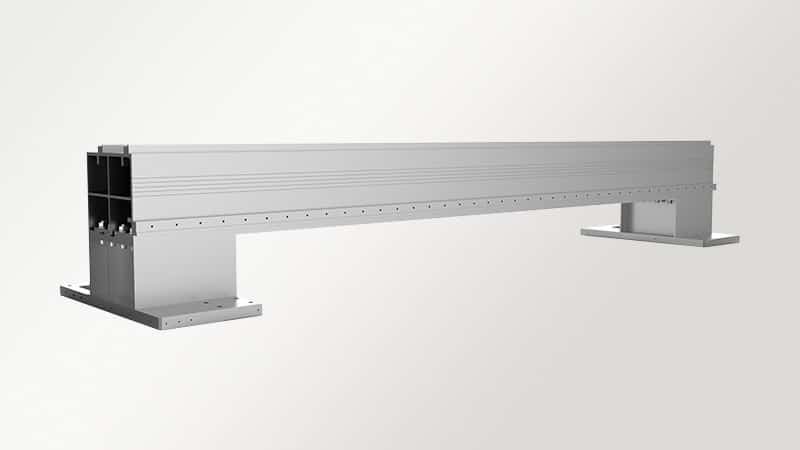
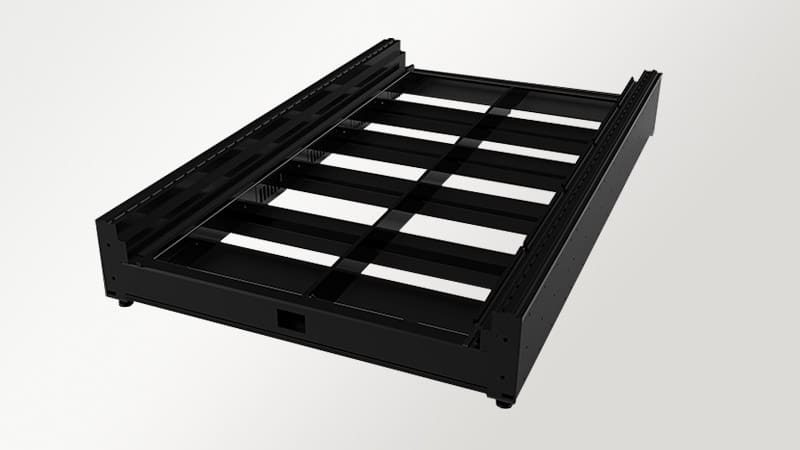
| Model | AKJ1530F | AKJ1545F | AKJ1560F | AKJ2030F | AKJ2040F | AKJ2060F | AKJ2560F |
|---|---|---|---|---|---|---|---|
| Cutting Range | 1500*3000mm | 1500*4500mm | 1500*6000mm | 2000*3000mm | 2000*4000mm | 2000*6000mm | 2500*6000mm |
| Laser Power | 1500-40000W | ||||||
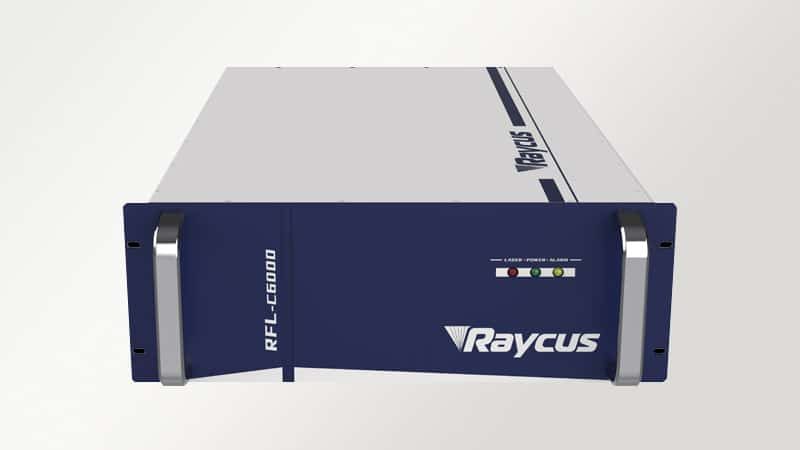
| Laser Generator | Raycus/Max/IPG | ||||||
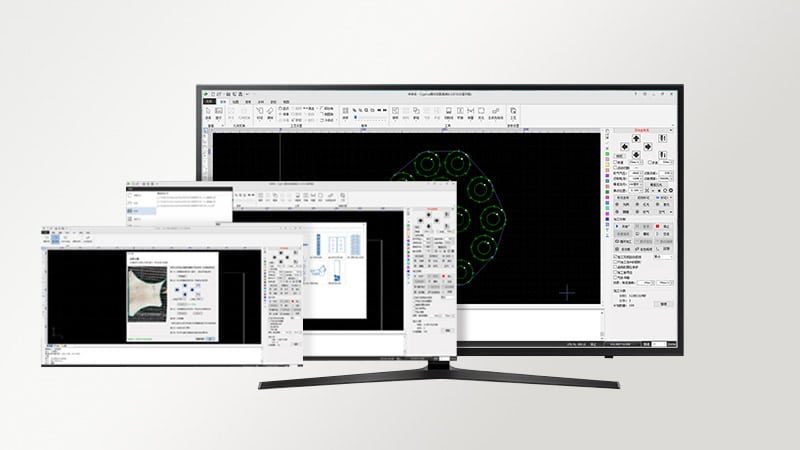
| Control System | Au3tech/Cypcut | ||||||
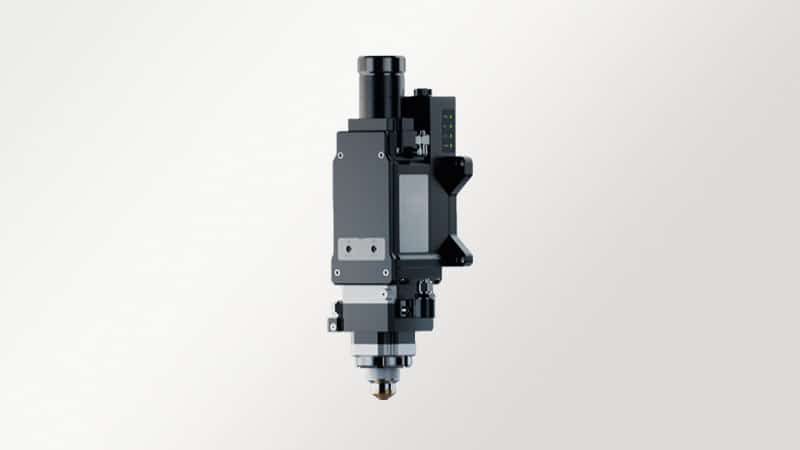
| Laser Cutting Head | Au3tech/Raytools/Boci | ||||||
| Transmission System | Rack Drive | ||||||
| Rack | VASTUN/Apex/YYC | ||||||
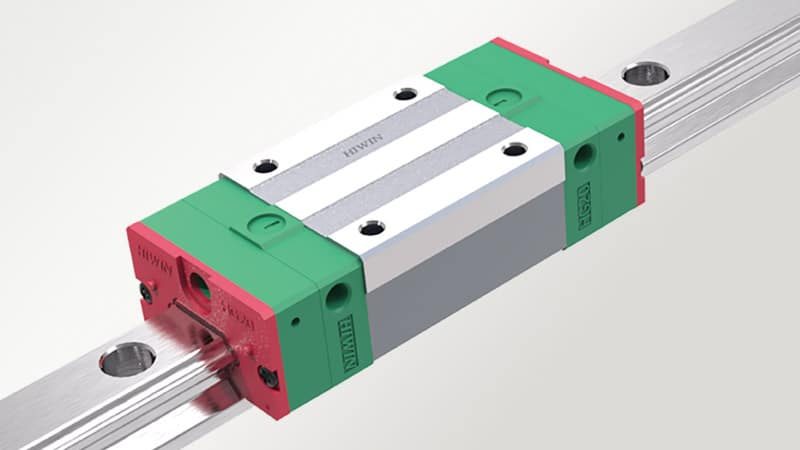
| Guide Rail | HIWIN | ||||||
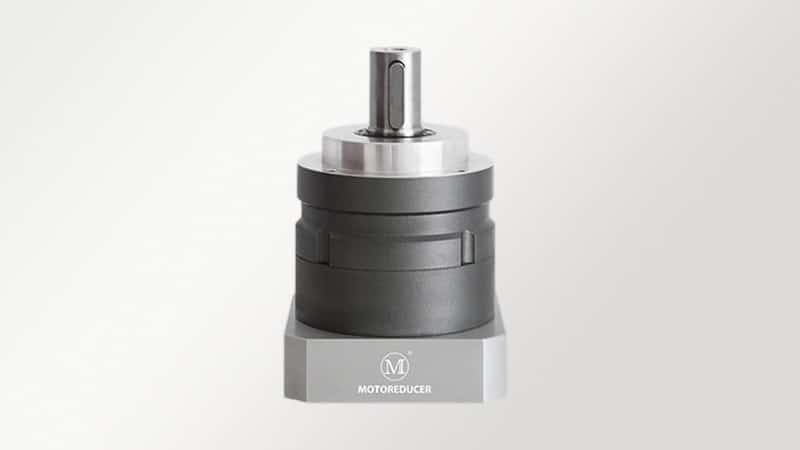
| Gear Reducer | Motoreducer | ||||||
| Ball Screw | TBI | ||||||
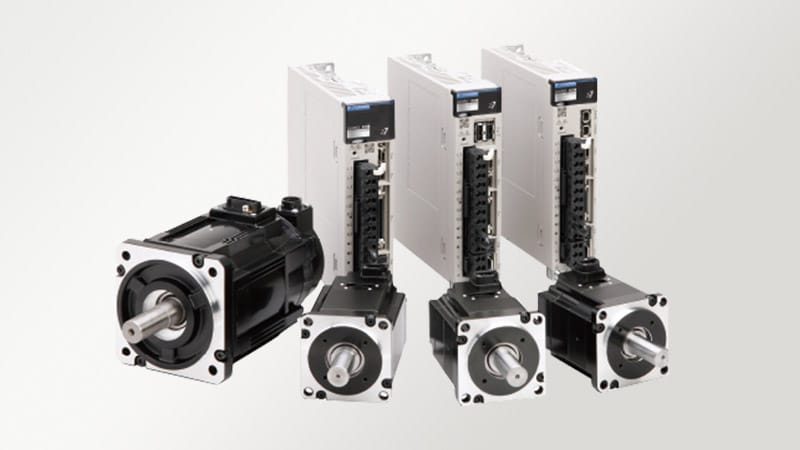
| Servo Motor | Delta/Yaskawa | ||||||
| Electronic Components | Schneider | ||||||
| Pneumatic Components | SMC/AirTAC | ||||||
| Water Chiller | S&A/Hanli | ||||||
| Maximum Moving Speed | 100m/min | ||||||
| Maximum Acceleration | 1.0G | ||||||
| Positioning Accuracy | ±0.01mm | ||||||
| Repeat Positioning Accuracy | ±0.03mm | ||||||
| Voltage and Frequency | 380V 50Hz/60HZ | ||||||
| Comparison Item | Laser Cutting | Plasma Cutting | Waterjet Cutting | Mechanical Cutting |
|---|---|---|---|---|
| Cutting Principle | Uses a focused fiber laser beam to melt and cut copper | Uses a plasma arc to melt conductive metal | Uses high-pressure water and abrasive to erode material | Uses saws, shears, punches, milling tools, or cutting blades |
| Material Suitability | Suitable for copper sheets and plates with proper laser power | Can cut conductive copper, but edge quality may be unstable | Suitable for copper and many other materials | Suitable for copper, but tool setup is important |
| Reflective Material Handling | Modern fiber lasers can cut copper effectively with proper protection | Not strongly affected by reflectivity | Not affected by reflectivity | Not affected by reflectivity |
| Cutting Precision | High precision for detailed copper parts | Medium precision | High precision, but slower | Medium precision, depends on tooling and machine rigidity |
| Edge Quality | Clean edges with minimal burrs when parameters are optimized | Rougher edges with more dross | Smooth, cold-cut edges | May leave burrs, chips, or tool marks |
| Heat-Affected Zone | Small heat-affected zone | Larger heat-affected zone | No heat-affected zone | Minimal heat, but mechanical stress may occur |
| Cutting Speed | Fast for thin and medium copper sheets | Fast for rough cutting, but less precise | Slower than laser and plasma | Moderate, often slower for complex shapes |
| Thin Sheet Performance | Excellent for thin copper sheets and fine contours | May cause overheating or edge roughness | Good, but less efficient | Possible, but sheet deformation may occur |
| Thick Plate Performance | Requires higher laser power and stable process control | Can cut thicker copper, but quality may vary | Good for thick copper plates | Limited by tool force and machine capacity |
| Kerf Width | Narrow kerf, saving copper material | Wider kerf | Medium kerf | Usually wider than laser cutting |
| Material Waste | Low waste due to narrow cutting path | Higher waste than laser | Moderate waste from kerf and abrasive use | Higher waste from chips and tool path |
| Burr Formation | Minimal burrs with proper settings | More dross and edge cleanup needed | Minimal burrs | Burrs are common |
| Thermal Deformation | Low with optimized parameters | Higher risk due to heat input | No thermal deformation | Possible bending or stress from cutting force |
| Surface Finish | Maintains a clean copper surface | May cause oxidation and discoloration | Preserves original surface well | May scratch or mark the surface |
| Secondary Processing | Often little deburring or polishing needed | Often requires grinding or cleaning | Usually little secondary processing | Often requires deburring, polishing, or edge finishing |
| Complex Shape Cutting | Excellent for holes, slots, curves, and fine patterns | Good for simple and medium-complex shapes | Good for complex shapes, but slower | Limited for intricate designs |
| Automation Capability | Highly suitable for CNC automation and batch production | Suitable for CNC cutting | Suitable for CNC cutting | Automation possible, but tool changes may be needed |
| Tool Wear | No physical cutting tool contacts the copper | Electrode and nozzle wear | Nozzle wear and abrasive consumption | Cutting tools wear and may clog with copper chips |
| Best Use Cases | Copper electrical parts, busbars, terminals, connectors, plates, and precision components | Rough cutting of conductive copper parts | Thick copper plates or heat-sensitive parts | Straight cuts, drilling, milling, sawing, and small-batch work |
| Overall Advantage | Best balance of precision, speed, automation, edge quality, and material savings | Good for rough conductive metal cutting | Best when cold cutting and no heat effect are required | Good for simple, low-cost copper processing tasks |

AccTek Laser integrates advanced laser technology into its cutting machines to deliver high precision, stable performance, and efficient cutting results. Their systems use reliable laser sources and optimized control systems, ensuring that operators achieve consistent cuts with minimal material waste. This innovation also helps in enhancing material quality while reducing the risk of thermal damage during the cutting process.
AccTek Laser offers a broad selection of laser cutting machines with different power levels and configurations to suit diverse application requirements. Customers can choose from compact, portable systems for small-scale operations to large industrial machines for high-volume cutting tasks. This makes it easy to find the right solution for cutting metal sheets, plastics, ceramics, and more, ensuring versatility for various industries.
AccTek Laser machines are built using top-quality components sourced from globally recognized suppliers. This includes durable laser sources, cutting-edge scanning systems, and reliable control electronics. By using premium parts, AccTek Laser enhances machine stability, extends service life, and ensures consistent performance under demanding operating conditions, ultimately reducing maintenance needs.
AccTek Laser provides flexible customization options to meet specific customer needs. Machine features like laser power, cutting speed, cooling systems, and automation integration can be tailored to suit different production environments and application requirements. This flexibility ensures that customers achieve optimal cutting performance, productivity, and cost-efficiency.
AccTek Laser offers comprehensive technical support throughout the entire purchase and operation process. Their experienced team assists with machine selection, installation, operation training, and troubleshooting. This level of support helps customers seamlessly adapt to laser cutting technology, ensuring smooth operations and quick issue resolution when necessary.
With years of experience serving customers globally, AccTek Laser provides dependable international service and support. They offer detailed documentation, remote assistance, and responsive after-sales service to help customers maintain their machines and minimize downtime. This ensures that customers can continue their operations with minimal disruptions, enhancing long-term productivity and customer satisfaction.
This guide identifies materials that should never be laser cut due to safety hazards or poor quality outcomes, explains why, and recommends safer alternative cutting methods for each.
This guide covers all materials that CO2 and fiber laser cutting machines can process, explains how wavelength determines compatibility, and helps you choose the right laser generator for your application.
This article covers the essential safety precautions for operating a CO2 laser cutting machine, from radiation and fire risks to fume extraction, PPE, machine features, and routine maintenance checks.
This article explains how CO2 laser generator wattage from 60W to 600W affects cutting speed, depth, and material capability, and clarifies when higher power delivers real gains and when it
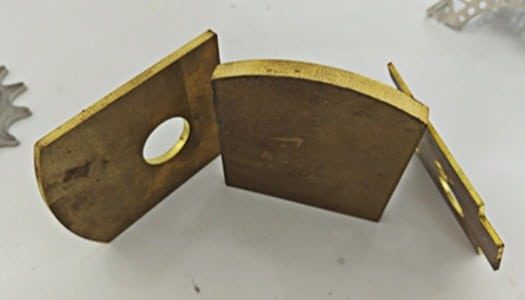
Yes, laser-cutting machines can effectively cut copper, but it presents more challenges compared to other materials due to its high reflectivity and excellent thermal conductivity. These properties can affect the efficiency of the cutting process by causing heat absorption and increased heat dissipation.
To tackle these challenges, fiber laser cutting machines are often the best choice. Fiber lasers have high power densities, making them ideal for cutting reflective metals like copper. Their focused energy is enough to counteract the reflectivity and thermal conductivity of copper, ensuring precise and clean cuts.
For optimal results, several factors must be properly configured when cutting copper, including laser power, beam quality, focal length, cutting speed, and assist gas selection. The thickness of the copper sheet also influences the settings, thicker copper requires more power and slower cutting speeds for effective results.
It’s important to note that laser-cutting copper generates fumes and may cause molten metal to splatter. Therefore, proper ventilation and personal protective equipment (PPE) should always be used to ensure operator safety. While laser-cutting copper is possible, the process requires the right equipment, settings, and safety precautions to achieve high-quality cuts.
The price of a copper laser cutting machine can vary significantly based on several factors, including the machine’s size, power output, cutting area, brand, and additional features. As copper laser cutting machines are typically high-end, sophisticated equipment, they tend to be more expensive than simpler cutting machines. Prices also fluctuate due to market conditions and technological advancements. Here is a rough breakdown of prices:
These price ranges are estimates and may vary depending on specific requirements, customization options, and the manufacturer. It’s also important to factor in additional costs such as installation, training, maintenance, and accessories, as these will impact the total cost of ownership. For accurate pricing based on your specific needs and budget, please contact us directly. Our team of engineers will help you choose the right copper laser-cutting machine and provide precise pricing details.
The operating costs of laser cutting copper depend on several factors, such as power consumption, maintenance needs, laser gas usage, and consumable replacements. Below is a rough estimate of the key cost components involved in copper laser cutting. Please note that these costs may vary based on location, market conditions, and specific service providers:
Operating costs can fluctuate significantly depending on factors such as cutting speed, material thickness, and machine efficiency. For more precise cost estimates tailored to your specific needs, please contact us directly. Our team will provide detailed information based on your setup and requirements.
Laser cutting copper itself is not inherently harmful, but there are important safety considerations and precautions to ensure the process is carried out safely. Below are key safety points to be aware of:
By following the recommended safety guidelines and ensuring a controlled environment, laser cutting copper can be performed safely, minimizing risks to operators and the workplace.
No, copper is generally harder to cut with a laser than steel. Several factors make laser cutting copper more challenging:
Although more challenging, laser cutting copper is still possible and offers high precision, especially with the right adjustments and specialized equipment.
When laser cutting copper, Nitrogen (N2) and Oxygen (O2) are the most commonly used assist gases, each offering different benefits depending on the desired outcome and the thickness of the material. Here’s how each gas works in the laser-cutting process:
The choice between nitrogen and oxygen largely depends on the specific needs of the project. Nitrogen is preferred for clean, high-quality cuts, while oxygen is better suited for faster, cost-effective cutting when some oxidation is acceptable. Additionally, gas pressure, flow rate, and nozzle design all play a role in optimizing the cutting performance.
Several properties of copper significantly influence the laser cutting speed. Here are the key factors that affect the efficiency and speed of laser-cutting copper:
Understanding these factors is crucial when determining the optimal cutting speed for copper. Adjusting the laser power, assist gases, and cutting parameters according to these properties will help balance speed with cut quality and precision.
Laser cutting copper typically does not compromise the inherent performance of the material, provided that the process is conducted correctly with the right parameters. The primary effects of laser cutting on copper are related to changes in physical size, surface characteristics, and localized material properties. Below are the main factors that influence the performance of copper when laser cut:
When handled appropriately, laser cutting should not significantly affect the performance of copper, and the material’s inherent properties should remain intact for most applications. However, for applications where the material’s characteristics are especially critical, attention to cutting parameters and post-processing may be necessary.
4 reviews for Copper Laser Cutting Machine
Amelia –
Since introducing this machine into our production line, we’ve seen a clear improvement in efficiency. It runs consistently, which helps us meet tight deadlines without delays. The nesting feature reduces material waste, which is important for cost management. Operators find it easy to use, and training new staff has been quick. It fits well into our workflow and supports steady production. Overall, it’s a reliable machine that contributes to smoother operations.
Benjamin –
This machine is straightforward to use and performs well in daily factory operations. The controls are clear, and setting up new jobs doesn’t take much time. It runs smoothly without excessive noise or vibration, which makes it comfortable to work with. The cutting quality is consistent, and there’s less need for additional processing afterward. It also handles long shifts without any issues. So far, it has been reliable, and I haven’t experienced any major problems during operation.
James –
Running a small business means I need equipment that is both reliable and efficient, and this machine meets those needs well. It handles a variety of materials without any issues and produces consistent results every time. The control system is simple enough that new employees can learn it quickly. It also runs smoothly without frequent maintenance, which helps reduce downtime. Since adding it to our workshop, we’ve been able to increase productivity without hiring extra staff. Overall, it’s a practical investment that supports steady growth and improves overall efficiency.
Charlotte –
Precision is critical in my work, and this machine delivers accurate results consistently. The cutting head maintains a stable focal point, which improves edge quality and reduces defects. I can rely on it when working on detailed components that require tight tolerances. The control system allows for easy adjustments, making it simple to switch between different materials. It runs smoothly and performs well during long sessions. The overall experience has been positive, and it supports both design and production tasks effectively.