Materials That Cannot Be Cut by Laser Cutting Machines
This guide identifies materials that should never be laser cut due to safety hazards or poor quality outcomes, explains why, and recommends safer alternative cutting methods for each.
| Model | AKJ6040 | AKJ9060 | AKJ1390 | AKJ1610 | AKJ1318 | AKJ1325 | AKJ1530 |
|---|---|---|---|---|---|---|---|
| Cutting Range | 600*400mm | 900*600mm | 1300*900mm | 1600*1000mm | 1300*1800mm | 1300*2500mm | 1500*3000mm |
| CO2 Laser Power | 80-600W | ||||||
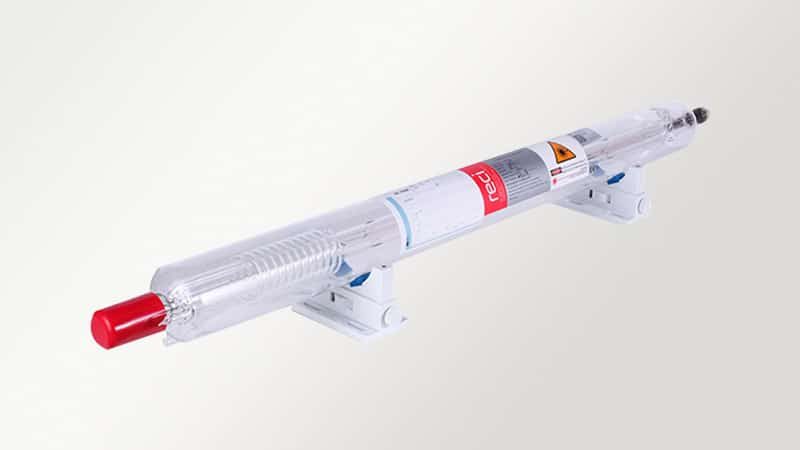
| CO2 Laser Tube | Reci/Yongli/SLW/EFR | ||||||
| Transmission System | Belt Drive | ||||||
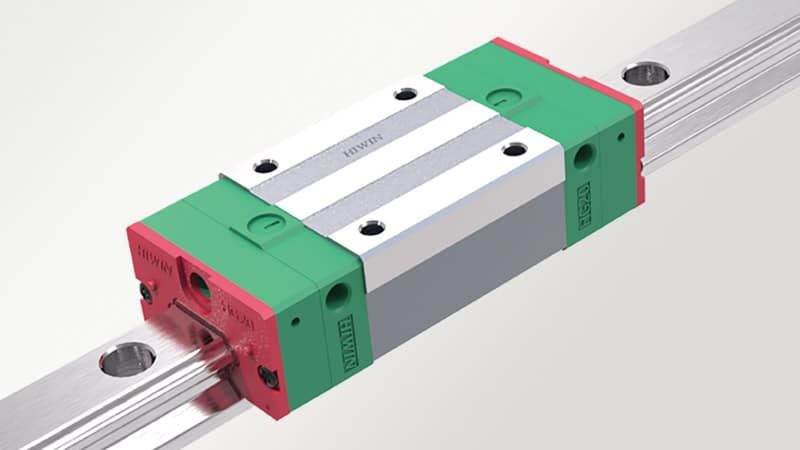
| Linear Guide Rail | HIWIN | ||||||
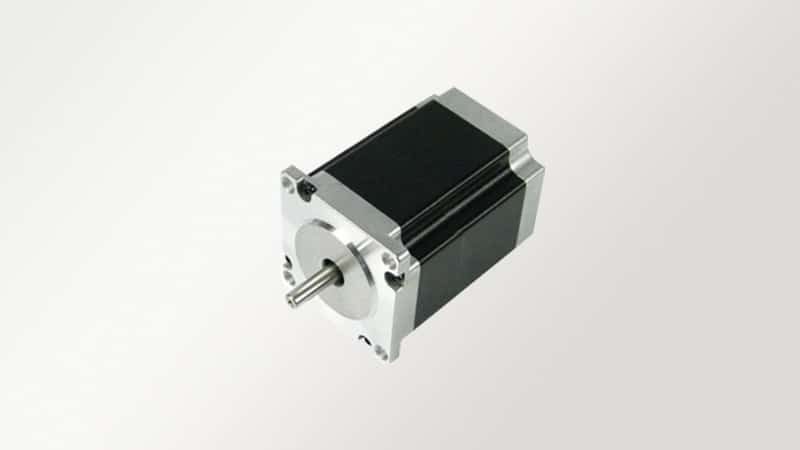
| Motor Type | Stepper Motor | ||||||
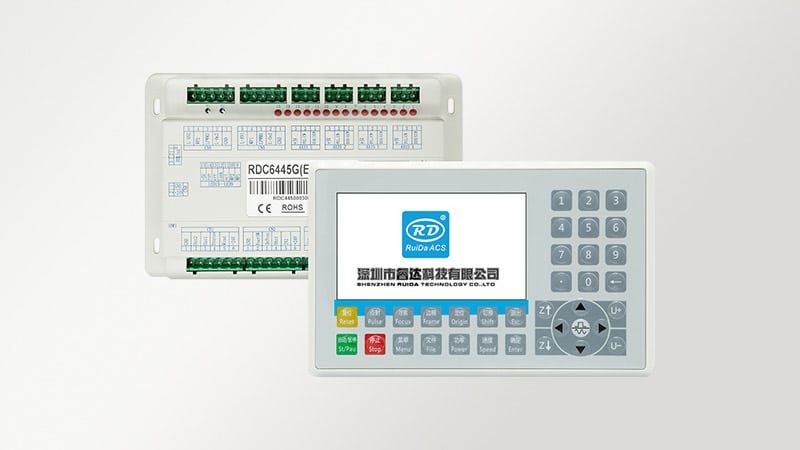
| Control System | RuiDa | ||||||
| Min line width | ≤0.15mm | ||||||
| Position accuracy | 0.01mm | ||||||
| Repetition accuracy | 0.02mm | ||||||
| Max Cutting speed | 150mm/s | ||||||
| Max Engraving Speed | 300mm/s | ||||||
| Voltage and Frequency | 220v/50HZ, 110V/60HZ | ||||||
| Graphic Format | PLT, DXF, BMP, JPG, AI, etc | ||||||
| Working Environment | 0-45℃ | ||||||
| Operating Humidity | 5-95% | ||||||
| Comparison Item | Veneer Laser Cutting | CNC Routing | Oscillating Knife Cutting | Waterjet Cutting |
|---|---|---|---|---|
| Cutting Principle | Uses a focused laser beam to cut or engrave thin veneer sheets | Uses a rotating bit to remove wood material | Uses a vibrating blade to slice thin and flexible sheets | Uses high-pressure water, sometimes with abrasive, to erode material |
| Material Suitability | Very suitable for thin veneer, wood inlays, marquetry, and decorative patterns | Less suitable for thin veneer because routing force can damage it | Suitable for some veneers, especially simple shapes | Can cut veneer, but rarely used because wood absorbs water |
| Cutting Precision | High precision for small details, curves, and fine patterns | Medium precision, limited by tool diameter | Medium to high precision for simple shapes | High precision, but not practical for veneer production |
| Edge Quality | Clean, fine edges, sometimes with slight darkening | May cause rough edges, tearing, or tool marks | Clean edges if the blade is sharp and material is stable | Smooth edges, but moisture can affect the veneer |
| Heat-Affected Zone | Small heat mark may appear along the cut edge | Minimal heat | No heat | No heat |
| Cutting Speed | Fast for thin veneer sheets and detailed designs | Slower for delicate veneer due to careful setup | Fast for simple straight or curved cuts | Slower and less cost-effective |
| Kerf Width | Very narrow kerf, good for tight nesting and inlay work | Wider kerf due to router bit size | Medium kerf | Medium kerf |
| Thin Sheet Performance | Excellent for thin, fragile veneer | Poor to limited because thin sheets may lift, crack, or tear | Good, but requires stable holding and sharp blades | Possible, but high risk of swelling or staining |
| Thick Veneer Performance | Good for thicker veneer, depending on density and laser power | Possible, but still requires careful fixturing | Possible for softer veneer | Possible, but rarely preferred |
| Complex Shape Cutting | Excellent for letters, curves, inlays, logos, and decorative patterns | Limited for small inner corners and fine lines | Good for simple shapes, less ideal for tiny details | Good, but slow and impractical |
| Surface Protection | Non-contact cutting reduces scratches and pressure marks | Tool contact and clamping may leave marks | Blade pressure may leave slight marks | Water may stain, swell, or warp the veneer |
| Chipping And Splitting | Low risk when laser settings are optimized | Higher risk of tearing, splintering, or breakout | Possible splitting along wood grain | Low cutting force, but moisture damage risk remains |
| Dust And Smoke | Produces smoke and fumes that need extraction | Produces wood dust and chips | Produces little dust | Produces wet slurry and wastewater |
| Tool Wear | No physical cutting tool touches the veneer | Router bits wear and may become dull | Blades wear and need replacement | Nozzle wear and possible abrasive consumption |
| Secondary Processing | May need light cleaning or sanding for smoke marks | Often needs sanding or edge repair | Usually needs little finishing | May need drying, flattening, or surface repair |
| Automation Capability | Highly suitable for CNC-controlled batch cutting and nested layouts | Automated, but not ideal for fragile veneer | Suitable for automated cutting of simple veneer shapes | Automated, but rarely used for veneer |
| Noise Level | Low to medium | High due to spindle noise | Low to medium | High due to pump pressure |
| Operating Cost | Efficient for detailed veneer cutting and custom designs | Tooling, fixturing, and finishing costs may increase | Low for simple shapes, but less flexible for fine patterns | High due to water, pump maintenance, and cleanup |
| Best Use Cases | Wood inlays, marquetry, decorative panels, furniture veneers, crafts, logos, and custom patterns | Thick wood boards, grooves, pockets, and solid wood machining | Simple veneer shapes, paper, cardboard, leather, fabric, and soft sheets | Stone, glass, metal, composites, and water-tolerant materials |
| Overall Advantage | Best for detailed, non-contact veneer cutting with high precision and design flexibility | Less suitable for thin veneer, better for rigid wood machining | Useful for simple veneer shapes, but less ideal for fine decorative work | Not commonly used for veneer because moisture, cost, and cleanup reduce practicality |

AccTek Laser integrates advanced laser technology into its cutting machines to deliver high precision, stable performance, and efficient cutting results. Their systems use reliable laser sources and optimized control systems, ensuring that operators achieve consistent cuts with minimal material waste. This innovation also helps in enhancing material quality while reducing the risk of thermal damage during the cutting process.
AccTek Laser offers a broad selection of laser cutting machines with different power levels and configurations to suit diverse application requirements. Customers can choose from compact, portable systems for small-scale operations to large industrial machines for high-volume cutting tasks. This makes it easy to find the right solution for cutting metal sheets, plastics, ceramics, and more, ensuring versatility for various industries.
AccTek Laser machines are built using top-quality components sourced from globally recognized suppliers. This includes durable laser sources, cutting-edge scanning systems, and reliable control electronics. By using premium parts, AccTek Laser enhances machine stability, extends service life, and ensures consistent performance under demanding operating conditions, ultimately reducing maintenance needs.
AccTek Laser provides flexible customization options to meet specific customer needs. Machine features like laser power, cutting speed, cooling systems, and automation integration can be tailored to suit different production environments and application requirements. This flexibility ensures that customers achieve optimal cutting performance, productivity, and cost-efficiency.
AccTek Laser offers comprehensive technical support throughout the entire purchase and operation process. Their experienced team assists with machine selection, installation, operation training, and troubleshooting. This level of support helps customers seamlessly adapt to laser cutting technology, ensuring smooth operations and quick issue resolution when necessary.
With years of experience serving customers globally, AccTek Laser provides dependable international service and support. They offer detailed documentation, remote assistance, and responsive after-sales service to help customers maintain their machines and minimize downtime. This ensures that customers can continue their operations with minimal disruptions, enhancing long-term productivity and customer satisfaction.
This guide identifies materials that should never be laser cut due to safety hazards or poor quality outcomes, explains why, and recommends safer alternative cutting methods for each.
This guide covers all materials that CO2 and fiber laser cutting machines can process, explains how wavelength determines compatibility, and helps you choose the right laser generator for your application.
This article covers the essential safety precautions for operating a CO2 laser cutting machine, from radiation and fire risks to fume extraction, PPE, machine features, and routine maintenance checks.
This article explains how CO2 laser generator wattage from 60W to 600W affects cutting speed, depth, and material capability, and clarifies when higher power delivers real gains and when it
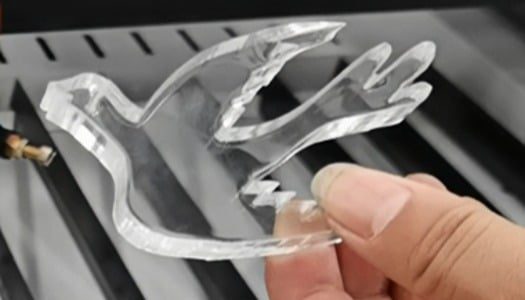
Yes, laser-cutting machines can cut acrylic. Laser cutting is one of the most popular methods of cutting acrylic sheets and other materials. Also known as plexiglass or PMMA (polymethyl methacrylate), acrylic has properties ideal for laser cutting.
The laser cutting process works by using a high-powered laser beam to melt, burn, or vaporize material along the cutting path. A focused laser beam delivers a large amount of energy to a small area, allowing it to cut acrylic with high precision and a minimal heat-affected zone. By adjusting the power, speed, and focus of the laser, different cutting depths and edge finishes can be obtained.
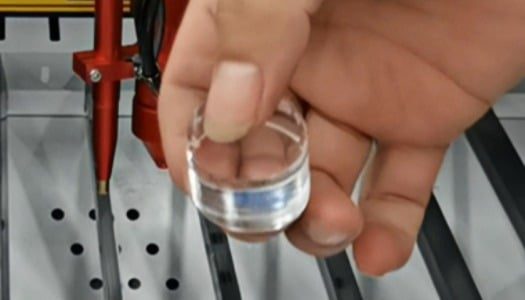
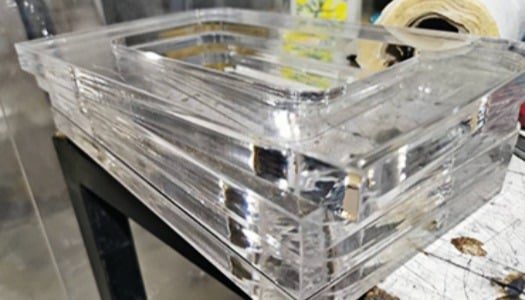
The reason to cut acrylic with a laser cutting machine is that it provides clean, smooth edges without the need for additional finishing processes. The cut edges are polished, perfect for projects that require a high-quality finish. Additionally, laser cutting can achieve intricate and detailed designs on acrylic, making it a popular choice for custom signage, displays, and artistic creations.
When using an acrylic laser cutting machine, the settings must be adjusted correctly to ensure a clean cut. Laser power, speed, and focus should be optimized according to the thickness and type of acrylic used. Fumes and potentially hazardous particles are released during laser cutting and proper ventilation and safety measures should be taken.
The price of an acrylic laser cutting machine will vary widely, depending on several factors such as the brand of the machine, power, size, features, and country of purchase. In general, smaller and lower-powered laser cutting machines designed for hobbyists or small businesses can be more affordable, while larger and higher-powered industrial-grade machines can be expensive.
The basic entry-level desktop laser-cutting machine for a hobbyist or small business can cost between $1,000 and $3,000. These machines usually have lower power (such as 40W to 60W) and a smaller cutting area.
Larger, more powerful industrial-grade laser cutting machines with larger cut sizes and higher laser power (such as 100W to 200W) can cost anywhere from $4,000 to $8,000 or more. Prices can be higher for professional and high-end models with advanced features.
These price ranges are rough estimates and will vary by region, specific seller, and other factors. Additionally, factors such as shipping costs, taxes, and optional add-ons can affect the final price of a machine.
If you are planning to buy an acrylic laser-cutting machine, you can contact us. Our engineers will provide you with specific quotations according to your requirements and budget, and we will also provide you with comprehensive after-sales support, warranty, and training services. Looking forward to working with you!
Laser cutting can cut many types of acrylic, but not all types can be laser cut. Whether acrylic is suitable for laser cutting depends on its composition and additives. Here are some common types of acrylic materials suitable for laser cutting:
When laser cutting acrylic materials, it is important to consider the thickness and ensure that the laser cutting machine has the proper power to effectively cut the selected acrylic type. It is recommended to test on scrap before cutting the final design to fine-tune the settings and achieve the desired result.
Additionally, acrylic emits fumes during the laser cutting process, which may contain dangerous chemicals. Therefore, when using a laser cutting machine to cut acrylic materials, it is necessary to have proper ventilation and ensure that safety measures are in place.
The power required to laser cut acrylic depends on several factors, including the thickness of the acrylic, the type of acrylic, the desired cutting speed, and the capabilities of the CO2 laser-cutting machine being used. Generally speaking, acrylic can be cut with a laser cutting machine with a power range of 30 to 150 watts or more. Here is a rough guide to power levels typically used for cutting acrylic:
While using a higher power setting may increase cutting speed, it also causes more heat to be generated, which may affect the quality of the cut edge. Finding the right balance between laser power and cutting speed helps achieve clean and precise cuts without excessive melting or charring of the material. Also, the laser power itself is not the only factor that determines the quality of the cut, the type of assist gas, the focal length of the lens, and the type of lens used also contribute to the best results.
Optimal laser power settings may also depend on the specific type and quality of acrylic being used. Different manufacturers may have slightly different recipes, which can also affect the laser-cutting process. It is therefore advisable to make some test cuts on scraps of the same acrylic material to determine the best power and cutting speed settings for your particular setup.
Laser-cutting acrylic has many advantages, such as high precision, versatility, and the ability to create intricate designs, but it does have some disadvantages. Here are some of the main disadvantages of laser-cutting acrylic:
Despite these drawbacks, laser-cutting acrylic remains a popular choice because of its precision, versatility, and ability to efficiently create intricate designs. To minimize these disadvantages, it is recommended to use proper laser settings, ensure proper ventilation, and invest in quality equipment and maintenance.
The thickness of acrylic that a laser cutting machine can effectively cut depends on a variety of factors, including the power of the laser generator, the quality of the optics, and the capabilities of the particular machine. In general, laser cutting machines are great for cutting acrylic sheets of a certain thickness, and the maximum thickness may vary.
For thin acrylic sheets (less than 1 mm), clean cuts can be achieved even with low-power lasers. As thickness increases, higher laser power is required to effectively cut the material. Medium-power laser generators (60W to 120W) are suitable for cutting acrylic sheets from 4mm to 8mm thick. Beyond 8 mm, a more powerful laser generator is required, such as 120W to 200W or even higher, depending on the thickness of the material and the required cutting speed.
As the thickness increases, the cutting process becomes more challenging and the laser’s power and speed settings may need to be adjusted. Thick acrylic sheets may require multiple cuts and even a specialized laser cutter to achieve a clean, precise cut. Every laser-cutting machine model has its limitations, and some machines may be better suited for cutting thicker materials than others. It is recommended to check the specifications of the specific laser cutting machine you are using or plan to use to determine its maximum cutting capacity for acrylic and other materials.
Preventing burn marks when laser cutting acrylic requires a combination of correct setup, material preparation, and proper technique. Here are some tips to help minimize or eliminate burn marks during laser cutting:
By carefully implementing these strategies and making adjustments to your laser-cutting process, you can significantly reduce the occurrence of burn marks and achieve clean, high-quality cuts in acrylic. When working with laser cutting equipment, always remember to prioritize safety and work in a well-ventilated area.
Yes, laser-cutting acrylic can produce a noticeable smell. The smell is mainly caused by the fumes and gases released during the cutting process. Acrylic is a thermoplastic material that thermally decomposes when subjected to high temperatures from a laser beam. The process releases fumes consisting of acrylic polymer vapors and may also contain small amounts of formaldehyde, a potentially harmful substance.
Odors produced during laser cutting may vary depending on the acrylic type, thickness, laser power and speed settings, and ventilation of the cutting area. Acrylic sheets with additives or coatings may also smell different when laser cut.
Fume produced during laser cutting can be harmful as it may contain volatile organic compounds (VOCs), acrylic polymer vapors, and other potentially toxic substances. These fumes can irritate the eyes, nose, and throat and may cause discomfort in some individuals. Therefore, proper ventilation and exhaust systems are required when laser cutting acrylic to ensure the safety of the operator and maintain a healthy working environment.
To minimize odors and potential health risks, laser cutting machines must be operated in a well-ventilated area with a proper exhaust system. This effectively removes fumes from the workspace, reducing odors and potential health risks. Using air to assist in blowing away smoke and debris during cutting can also help reduce odors.
When using a laser cutting machine, it is critical to maintain a well-ventilated area, use proper protective equipment such as goggles and a mask, and follow the manufacturer’s guidelines for safely operating the laser cutter. Taking these precautions will help mitigate any potential health risks associated with the odor and fumes produced during laser cutting acrylic.
4 reviews for Acrylic Laser Cutting Machine
Olivia –
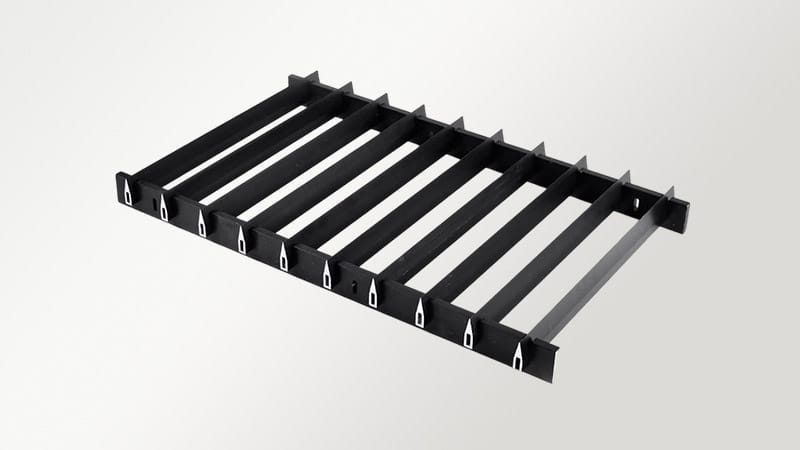
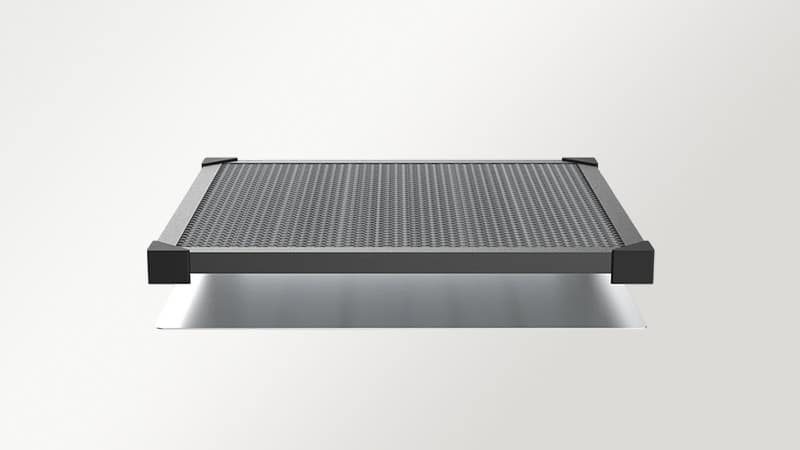
We use this CO2 laser cutting machine for packaging prototypes, and it has worked well for our needs. The control system allows quick adjustments when testing new designs. The aluminum strip worktable helps keep the underside of materials clean, improving presentation. The cuts are consistent, and we don’t waste much material. The machine runs smoothly and feels stable during operation. It’s a reliable tool for both design and small-scale production work.
Nolan –
From a maintenance point of view, this machine is simple and reliable. The guide rails and stepper motors hold up well over time, and the system does not require frequent adjustments. The laser tube provides a stable output, which helps maintain consistent performance. The belt drive runs smoothly and keeps noise levels low. It’s a machine that doesn’t need constant attention, which is important in a busy workshop. Overall, it’s easy to maintain and dependable.
Mira –
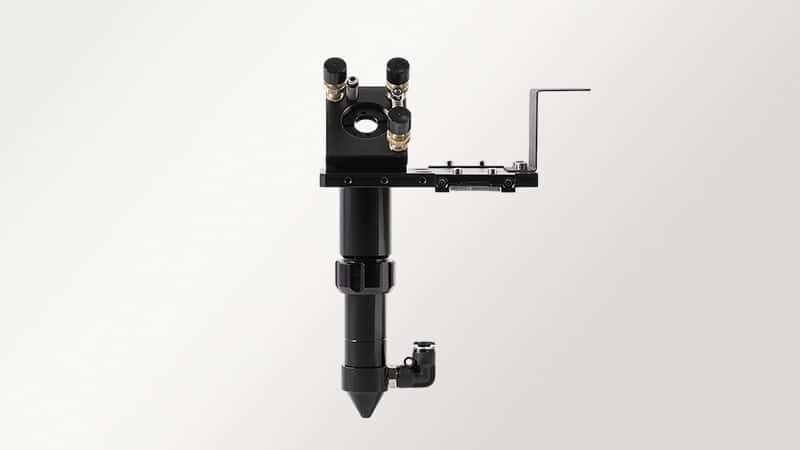
I use this CO2 laser cutting machine for making custom decorative items, and it has been a great help. The cutting head is precise, allowing me to create detailed patterns without rough edges. The machine is easy to operate, and I was able to learn it quickly. I also like how consistent the results are, even when working with different materials. It has been reliable for daily use and supports my growing business.
Leon –
From an operator’s perspective, this machine is easy to use and performs consistently. The stepper motor provides accurate positioning, which is helpful for repeat jobs. The guide rails move smoothly, and there is no noticeable shaking during cutting. The control system responds well, and we don’t encounter many errors. It’s a practical machine that fits into our production line without adding extra complexity. It has been reliable during long shifts.