6000W Laser Welding Machine

The 6000W laser welding machine offers portable precision, stable continuous laser output, ergonomic handheld control, intelligent operation, and reliable cooling for high-quality welds.
Home - Laser Welding Machine - 6000W Laser Welding Machine
6000W Laser Welding Machine
(4 customer reviews)
$14,900 – $15,900
Model: AKH
Laser Power: 6000W
Laser Genertor: Max
Laser Welding Head: Au3tech/Relfa
Fiber Cable Length: 10m
Chiller: S&A

Product Introduction

The 6000W laser welding machine is a high-performance solution designed for precision, efficiency, and versatility in industrial welding applications. Its flexible mobile design allows operators to easily transport and set up the machine across various work locations, making it ideal for on-site welding tasks. Equipped with an ergonomic handheld laser welding head, it enables precise manual control for complex joints and varied angles, ensuring superior weld quality. The continuous laser generator provides consistent energy output, producing smooth and strong weld seams while supporting long-duration operation. Integrated with an intelligent control system, the machine coordinates laser output, motion, and parameters for efficient and accurate welding. Additional features, such as the dependable industrial chiller, precise beam transmission system, safety interlock, and alarm devices, ensure stable performance, operator safety, and minimal downtime. The 6000W laser welding machine combines portability, precision, and reliability, making it a robust choice for modern manufacturing environments.

Product Configuration

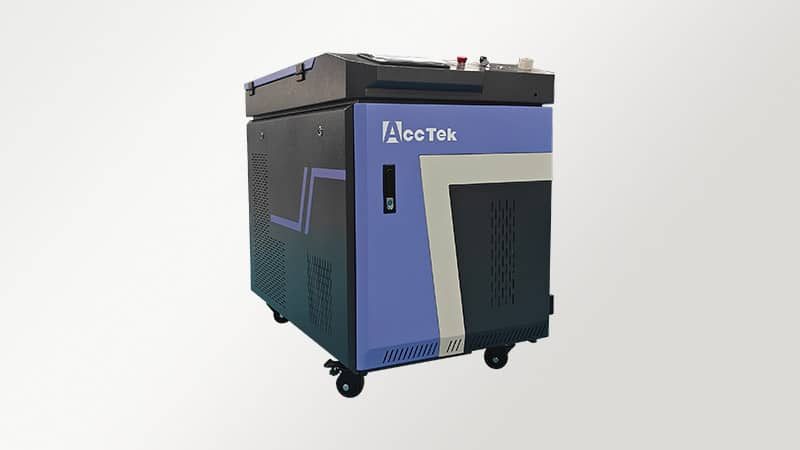
Flexible Mobile Design

Flexible Mobile Design

The mobile design allows the machine to be easily transported and used across different work locations. It features a compact structure with wheels or handles, enabling quick movement and setup. This design improves flexibility and efficiency, especially for on-site welding tasks. Its portable configuration supports convenient operation in various environments without complex installation.

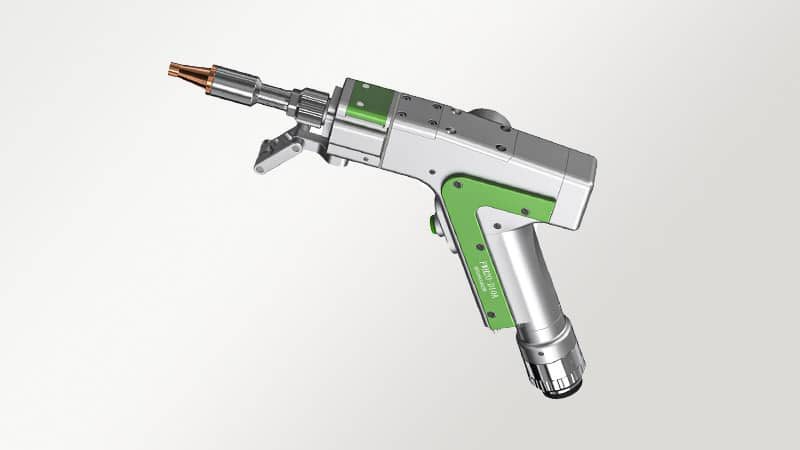
Ergonomic Handheld Laser Welding Head

The handheld laser welding head allows operators to manually control the welding process with precision. It features a comfortable grip and flexible movement, making it suitable for complex joints and varied angles. The structure enables accurate positioning and stable operation, improving weld quality and efficiency. Its design supports easy handling and adaptability across different welding applications.
Ergonomic Handheld Laser Welding Head
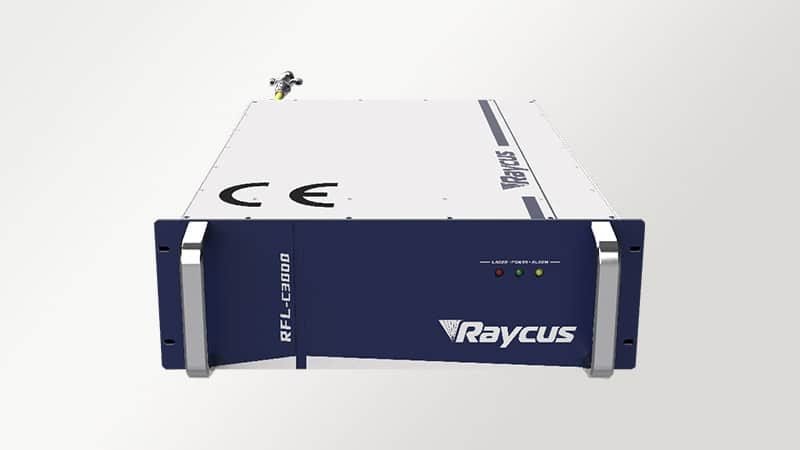
Stable Continuous Laser Generator

Stable Continuous Laser Generator

The continuous laser generator delivers a steady, uninterrupted beam for welding, providing consistent energy throughout the process. This ensures smooth heat input, resulting in uniform weld seams and strong joint formation. The structure supports stable operation over long periods, improving efficiency and productivity. Its reliable performance helps maintain consistent welding quality in demanding industrial applications.

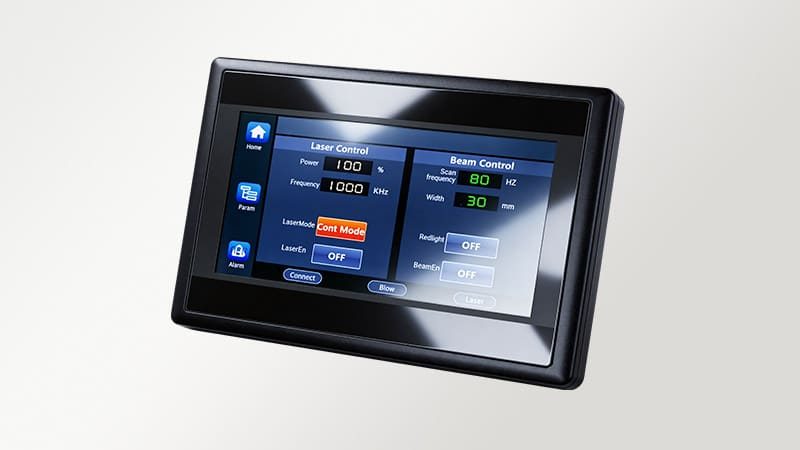
Intelligent Control System

The control system manages the operation of the machine by coordinating laser output, motion control, and welding parameters. It provides an interface for adjusting settings, monitoring performance, and ensuring precise execution of welding tasks. The structure supports stable operation, consistent weld quality, and efficient workflow. Its integrated functions help reduce errors and improve productivity in continuous production.
Intelligent Control System
Dependable Industrial Chiller

Reliable Industrial Chiller

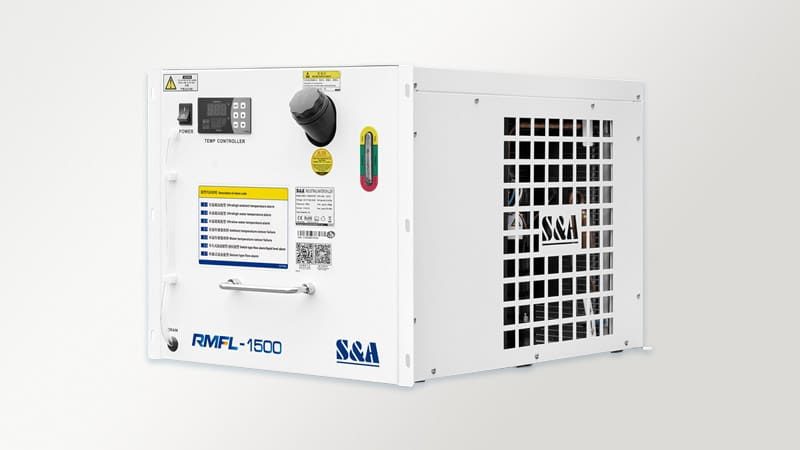
The industrial chiller cools the machine by circulating chilled fluid through heat-sensitive components. It maintains stable operating temperatures, preventing overheating and ensuring consistent laser output. The structure supports continuous operation and protects internal parts from thermal stress. Its effective cooling performance helps maintain welding quality and extends the lifespan of the equipment in demanding industrial environments.

Precise Beam Transmission System

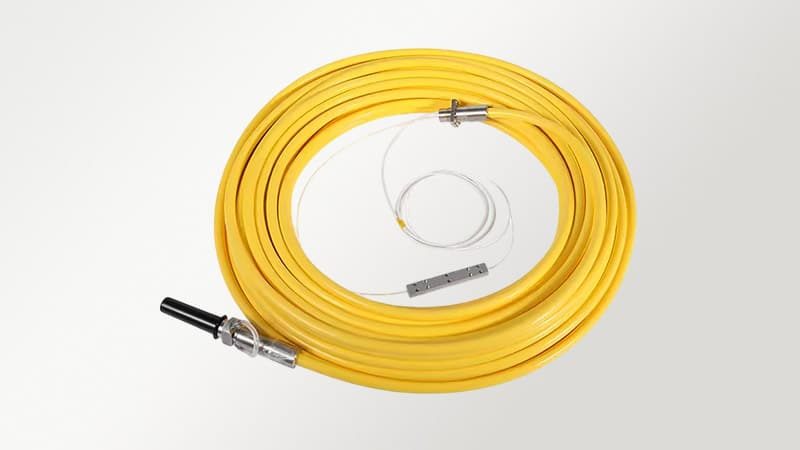
The beam transmission system delivers the laser beam from the source to the welding head with high accuracy and minimal energy loss. It uses optical fibers or reflective components to guide the beam along a controlled path. The structure ensures stable beam quality and consistent energy delivery, supporting precise welding performance and reliable results across different materials and applications.
Precise Beam Transmission System
Reliable Safety Interlock Device

Protective Safety Interlock Device

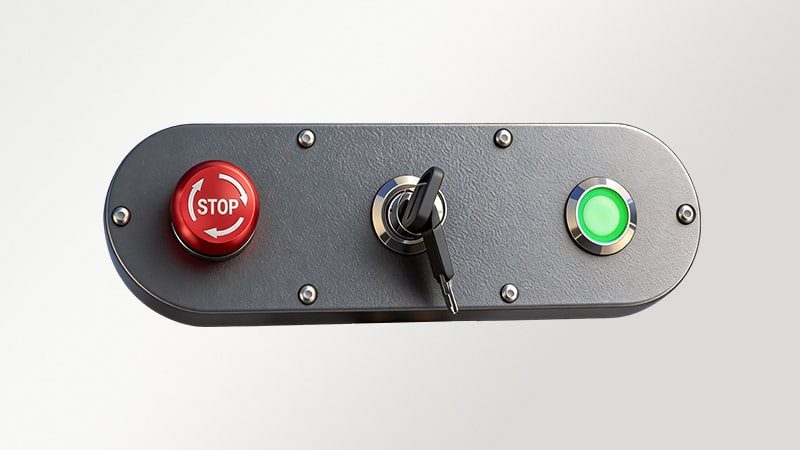
The safety interlock device ensures that the machine operates only under safe conditions. It monitors system status and automatically stops operation if a fault occurs or a protective barrier is opened. The structure reduces the risk of accidents and prevents unintended laser exposure. Its responsive control supports a safe working environment and reliable machine operation.

Dependable Alarm Device

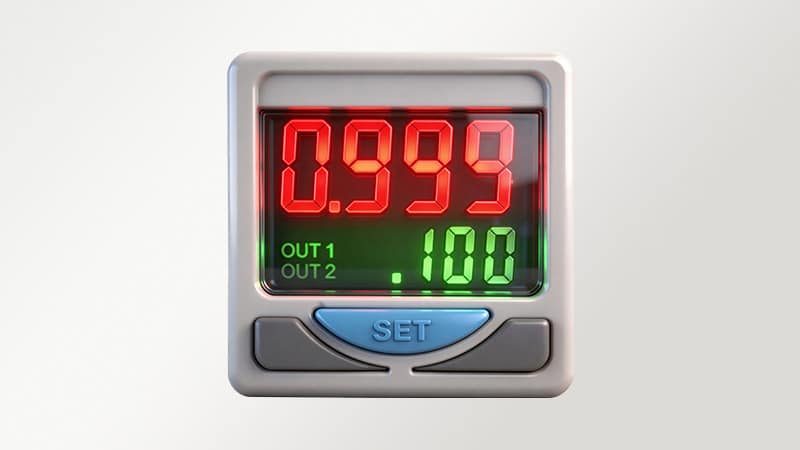
The alarm device monitors the operating condition of the machine and provides immediate alerts when abnormal situations occur. It uses audible or visual signals to notify operators of faults, overheating, or safety issues. The structure enables quick response, helping prevent equipment damage and minimize downtime. Its dependable warning function supports safe, stable, and continuous machine operation.
Responsive Alarm Device

Product Parameters

Model AKH-1500 AKH-2000 AKH-3000 AKH-6000
Laser Power 1500W 2000W 3000W 6000W
Laser Operating Modes Continuous Wave Laser
Laser Generator Raycus/Max/BWT
Laser Wavelength 1080nm±10nm
Laser Power Tunability 10-100%
Laser Welding Head Au3tech
Welding Gap Requirements ≤0.5mm
Control System Au3tech
Expected Focal Distance 160mm
Fiber Cable Length 10m (JPT: 15m)
Cooling Type Water Cooling
Pulse-Frequency Range 20-200 KHz
Voltage and Frequency 380V/220V 50/60H
Working Environment 10-40℃
Operating Humidity 5-95%

Optional Configuration

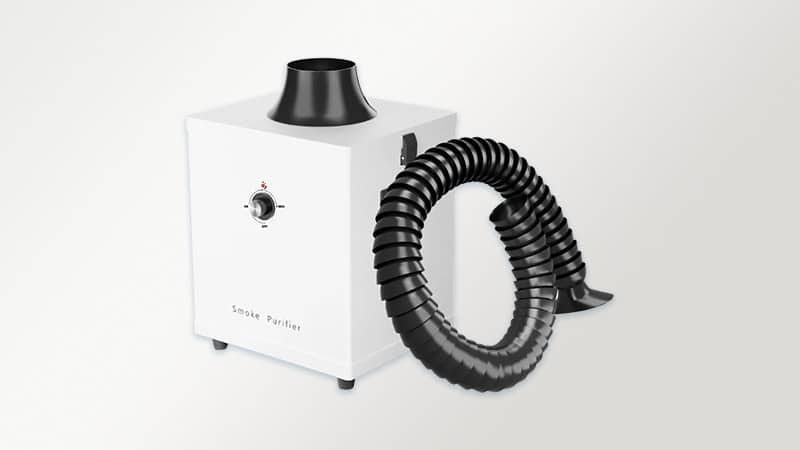
Eco-Friendly Fume Purifier

Eco-Friendly Fume Purifier

The fume purifier extracts and filters smoke, fumes, and fine particles produced during laser welding. It uses layered filtration to capture contaminants and release cleaner air back into the workspace. The structure improves operator safety, reduces environmental impact, and keeps the working area clean. Its reliable filtration system supports stable operation in continuous welding processes.

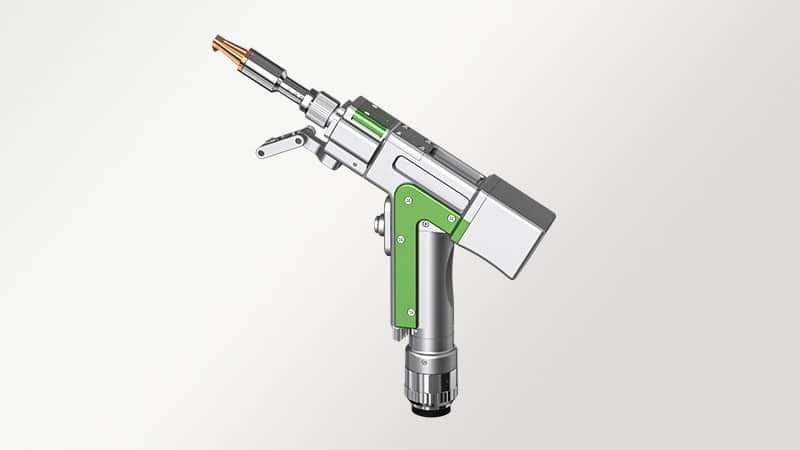
Uniform Double-Wobble Laser Welding Head

The double-wobble laser welding head uses dual-axis oscillation to move the laser beam across the joint in a controlled pattern. This creates a wider weld seam and distributes heat more evenly, reducing defects and improving joint strength. The structure enhances welding consistency and efficiency. Its adjustable motion allows precise control for different materials and welding requirements.
Uniform Double-Wobble Laser Welding Head
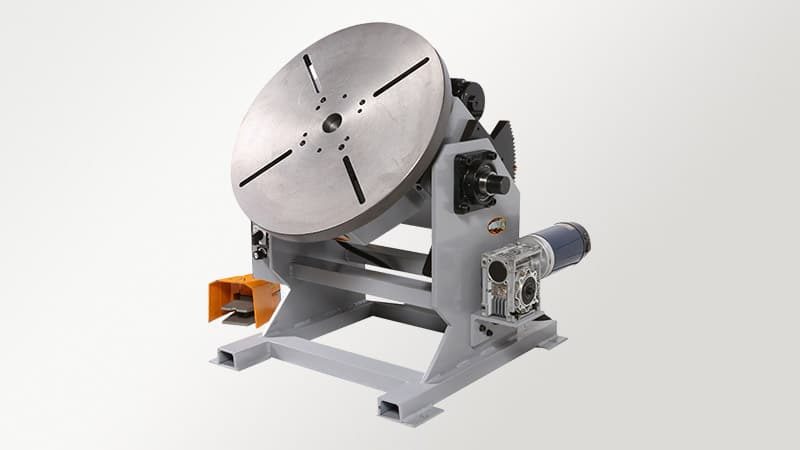
Adjustable Welding Positioner

Adjustable Welding Positioner

The welding positioner supports and rotates the workpiece to the optimal angle during laser welding. It allows precise control of position and orientation, improving accessibility and weld quality. The structure reduces manual handling and ensures consistent alignment throughout the process. Its stable and adjustable movement enhances efficiency and accuracy, especially for complex or multi-angle welding tasks.

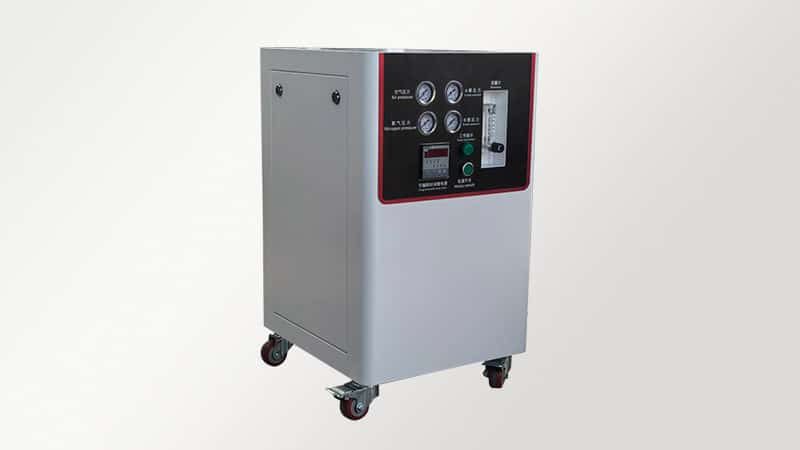
High-Purity Nitrogen Generator

The nitrogen generator produces nitrogen gas with high purity for use in laser welding. It delivers a steady flow of protective gas to shield the weld area from oxidation and contamination. The structure reduces reliance on external gas supplies and improves operational efficiency. Its stable output supports consistent welding conditions and enhances overall weld quality in continuous industrial applications.
High-Purity Nitrogen Generator

Compared With Other Welding Methods

Comparison Item Laser Welding TIG Welding MIG Welding Plasma Arc Welding
Welding Principle Uses a focused laser beam to melt and join materials Uses a tungsten electrode and shielding gas to create an arc Uses a continuously fed wire electrode and shielding gas Uses a constricted plasma arc to produce high heat
Heat Input Low and concentrated Moderate to high Moderate to high High and concentrated
Welding Speed Very fast Slow Fast Medium to fast
Weld Precision Very high High Medium High
Weld Seam Width Narrow and clean Fine but wider than laser welding Wider weld bead Narrower than MIG, but usually wider than laser
Heat-Affected Zone Small Larger than laser welding Larger than laser welding Medium to large
Material Distortion Low Medium Medium to high Medium
Welding Strength High with correct parameters High High High
Thin Metal Welding Excellent for thin sheets and precision parts Good, but requires skilled control Possible, but burn-through risk is higher Good, but setup is more complex
Thick Metal Welding Suitable with high-power systems and proper joint design Suitable but slower Very suitable for thicker materials Suitable for thick materials
Appearance of Weld Smooth, narrow, and clean Clean and attractive with skilled operation Rougher and may need finishing Clean, but may need finishing depending on settings
Filler Material Often no filler needed; filler can be added if required Filler rod often used manually Wire filler is continuously fed Filler may be used depending on the process
Skill Requirement Lower for handheld systems, higher for automation setup High operator skill required Medium skill requirement High skill and process knowledge required
Automation Capability Excellent for robots and production lines Possible, but slower and more complex Good for robotic and automated welding Good, but equipment setup is more complex
Production Efficiency Very high for batch and continuous production Lower efficiency High efficiency Medium to high efficiency
Spatter Very low Almost none More spatter, especially with poor settings Low to medium
Post-Weld Processing Usually little grinding or polishing needed May need light finishing Often requires cleaning, grinding, or spatter removal May require finishing depending on application
Equipment Cost Higher initial investment Lower to medium Medium Medium to high
Operating Cost Lower labor and finishing cost, but higher equipment cost Higher labor cost due to slower speed Moderate cost with wire and gas consumption Higher gas and equipment maintenance cost
Best Application Scenarios Precision metal parts, stainless steel, aluminum, sheet metal, battery parts, automotive parts, and automated production High-quality manual welding, thin stainless steel, pipes, and decorative parts Structural parts, fabrication, heavy-duty metalwork, and high-volume welding Aerospace, precision welding, thick sections, and applications needing stable deep penetration

Product Application

The 6000W laser welding machine is ideal for a wide range of industrial applications that demand precision, strength, and flexibility. Its mobile design allows operators to perform on-site welding across multiple locations, making it perfect for construction, maintenance, and repair projects. The ergonomic handheld welding head provides precise control for intricate joints, corners, and angled components, making it suitable for automotive, aerospace, and metal fabrication industries. With continuous laser generators and precise beam transmission systems, the machine delivers consistent, high-quality welds on stainless steel, carbon steel, aluminum, and other metals. The intelligent control system ensures efficient operation in continuous production environments, while the industrial chiller maintains performance under heavy workloads. Safety and reliability features, including the protective interlock and alarm devices, make it suitable for both factory floors and field operations. Its versatility, portability, and consistent output make it an indispensable tool for demanding manufacturing and repair tasks.
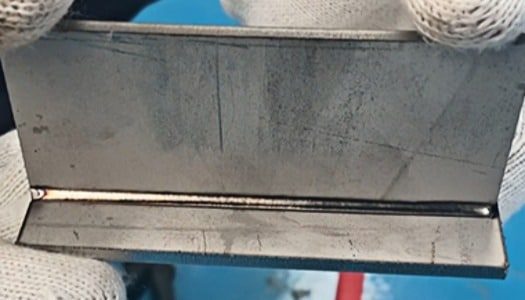
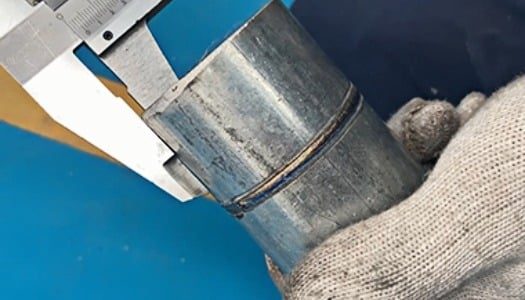
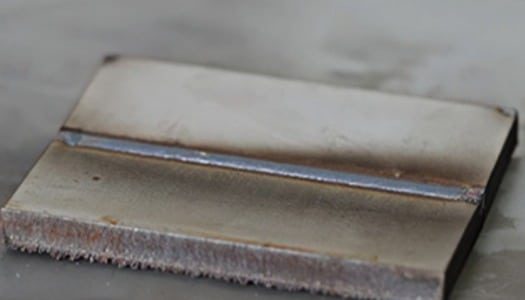
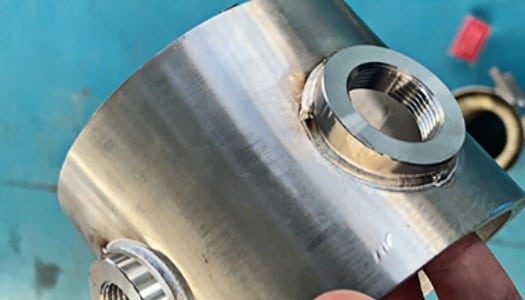
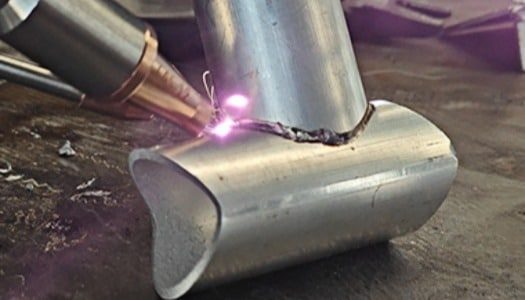
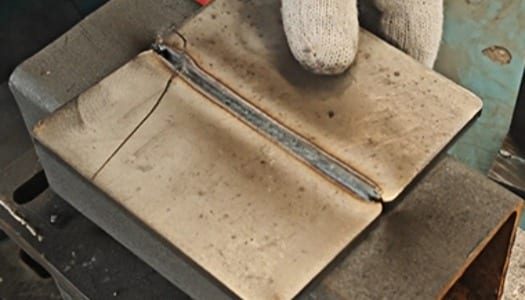
Laser Welding Samples

Why Choose AccTek Laser

Advanced Laser Technology

AccTek Laser integrates cutting-edge fiber laser technology into its welding machines to ensure high precision, deep penetration, and minimal heat input. Their systems are equipped with reliable laser sources and optimized control systems, enabling smooth and consistent welds while minimizing material distortion and providing strong, durable joints.

Wide Range of Machine Options

AccTek Laser offers a diverse range of laser welding machines tailored to various applications, from handheld solutions for small-scale repairs to high-power systems for large industrial production. Whether you need precision welding for thin sheet metals or robust joints for thick components, AccTek provides a solution that fits your specific requirements.

High-Quality Components

AccTek Laser welding machines are built with premium components sourced from trusted suppliers, including advanced fiber laser sources, scanning systems, and control electronics. These high-quality parts ensure exceptional performance, long-lasting durability, and minimal maintenance, even under demanding industrial conditions, ensuring your machine delivers consistent, high-quality results.

Customization and Flexible Solutions

AccTek Laser provides customizable solutions for various welding requirements, offering flexibility in laser power, cooling systems, welding width, and automation options. Their ability to tailor systems to suit specific production needs maximizes welding efficiency and productivity, ensuring that every weld is precise and optimal for your application.

Professional Technical Support

AccTek Laser offers comprehensive technical support to ensure smooth operation throughout the lifecycle of the equipment. Their experienced team assists with machine selection, installation, training, and troubleshooting. This ongoing support helps customers adapt quickly to laser welding technology, ensuring seamless operation and high-quality welds at every stage.

Reliable Global Service

AccTek Laser has extensive experience serving customers worldwide, providing global service and support. With remote assistance, detailed documentation, and responsive after-sales service, we ensures your machines stay up and running, minimizing downtime and maximizing productivity. Their reliable global presence guarantees long-term support for customers, ensuring satisfaction and high-performance results for years.

Related Resources

How to Select Laser Welding Power

How to Select Laser Welding Power?

This article explores the key factors for selecting laser welding power, including material properties, welding modes, thickness, beam quality, and practical parameter optimization strategies.

How to Determine Laser Welding Speed

How to Determine Laser Welding Speed?

This paper mainly analyzes the influence of laser welding speed on welding quality and efficiency, and systematically elaborates on the key factors and practical methods for determining the optimal welding

Customer Testimonials

4 reviews for 6000W Laser Welding Machine

  1. Zoe

    I use this machine regularly, and it has been easy to adapt to. The handheld welding head feels comfortable and allows smooth movement during operation. The weld seams are clean and consistent, which improves the overall quality of our work. The machine runs quietly and remains stable throughout the day. It’s also easy to move around the shop when needed. The controls are straightforward, which helps avoid mistakes during operation. It’s a practical machine that supports our daily work without adding unnecessary complexity.

  2. Nathan

    This machine has been a good upgrade for our workshop. The mobile design allows us to move it easily between different projects, which saves time. The handheld welding head provides precise control, which improves weld quality on more detailed work. The machine runs steadily, even during long hours of operation. The cooling system works well and helps prevent overheating. The controls are simple enough to learn quickly, which makes it easier for the team to adapt. It has helped us improve both efficiency and consistency in our daily fabrication tasks.

  3. Chloe

    We added this machine to support our production needs, and it has worked well for our team. The compact design makes it easy to fit into our existing workspace without major changes. The handheld welding head is simple to use and performs well on different types of parts. The weld quality is steady, which helps reduce errors and rework. The machine runs smoothly during long shifts, which is important for meeting deadlines. The control system is easy to manage, even for new operators. It has helped us keep production more organized and efficient.

  4. Ryan

    This laser welding machine has improved the way I handle my daily welding tasks. The handheld head gives me better control, especially when working on difficult angles or tight spots. The weld quality is consistent, which saves time on finishing and corrections. The machine runs smoothly without needing frequent adjustments, even during long jobs. The cooling system keeps it stable and prevents overheating. I also like the alarm feature, which helps identify problems early. It’s a reliable tool that has made my work more efficient and less stressful over time.

Add a review

Your email address will not be published. Required fields are marked *

19 − four =

Frequently Asked Questions

What Is The Initial Cost of A 6000W Laser Welding Machine?

The initial cost of a 6000w laser welding machine can vary based on several factors, including make, model, features, and other options. Generally speaking, an industrial laser welding machine is a great investment due to its advanced technology and capabilities. 6000w handheld laser welding machines range in price from $15,000 to $16,000. Note that these figures are approximate only and may vary significantly based on the previously mentioned factors. For example, higher-end models with advanced features and automation may cost more.

Note that the initial cost is only one aspect of the overall investment in a laser welding machine. Other factors to consider include installation costs, training, maintenance, and any necessary accessories or consumables. Additionally, ongoing operating costs such as power consumption and scheduled maintenance should also be considered when assessing the total cost of ownership.

For accurate and up-to-date pricing, it is advised to contact a reputable laser welding machine manufacturer or supplier. AccTek Laser is a professional laser welding machine manufacturer. We can provide details on pricing and any additional costs associated with your machines, such as shipping, installation, or training. Our engineers will advise you on pricing and options and recommend the best laser welding machine for your application and budget. If you need it, please feel free to contact us.

Also, even if you now have an accurate price, we recommend that you contact us. You can decide which laser welding machine to buy by comparing the prices and services of different suppliers.

The ongoing cost of a 6000w laser welding machine can vary based on several factors, including the specific components of the machine, the frequency and intensity of use, and the type of material being welded. The following are some common consumables and parts that may require periodic replacement or maintenance:

  • Laser Optics: Laser optics, such as lenses and mirrors, degrade over time due to exposure to high-intensity laser beams. These parts may require periodic cleaning, calibration, or replacement to maintain optimum performance. The frequency and cost of replacing laser optics can vary depending on factors such as laser power, operating conditions, and maintenance time.
  • Gas Consumption: Some laser welding processes require the use of shielding gases, such as argon or nitrogen, to protect the weld area from oxidation and improve weld quality. Ongoing costs should include purchasing or refilling cylinders.
  • Cooling System Maintenance: Laser welding machines usually use a cooling system to dissipate the heat generated during operation. This may involve the use of coolant or the use of water circulation systems. Ongoing costs may include scheduled maintenance, coolant replenishment, and occasional repairs or replacements of cooling system components.
  • Power Consumption: Using a 6000w laser welding machine requires a lot of power. Ongoing costs will include the electricity consumption associated with running the machine. It is recommended to consider energy-saving models and optimize the operation plan to minimize electricity costs.
  • Electrical Components: Over time, electrical components within a laser welding machine may require maintenance or replacement. These components can include power supplies, control boards, sensors, and other related parts. The cost and frequency of replacing these components may vary depending on their reliability and condition of use.
  • Laser Consumables: Depending on the welding process and application, additional consumable accessories such as filler wire or shielding gas may be required. The frequency of replacement or replenishment of these consumables will vary depending on usage and specific welding requirements.

Specific ongoing costs can vary widely depending on the make, model, and usage pattern of the machine. It is advisable to consult the manufacturer or supplier of your laser welding machine for accurate information on expected ongoing costs and a suggested maintenance schedule for the particular machine you are considering. They can give you details on the supplies and parts you will need and the associated costs.

The initial cost of a 6000w laser welding machine is affected by many factors. These factors may vary including manufacturer, model, and specific features or options included. Here are some key factors that can affect initial cost:

  • Brands and Manufacturers: Different brands and manufacturers offer laser welding machines that vary in quality, features, and reputation. Well-known brands often command higher prices because of their proven track record, advanced technology, and customer support.
  • Machine Features and Capabilities: The features and capabilities of a laser welding machine can significantly affect its cost. Higher-end models may offer advanced features such as enhanced control systems, improved beam quality, faster processing speeds, larger work areas, or integrated automation, which may result in a higher price.
  • Laser Generator: The brand of laser generator used in the machine will also affect the price. Different laser generator brands have different levels of efficiency, reliability, and maintenance requirements. In addition, factors such as laser power output and beam quality also affect the price.
  • Build Quality and Durability: The build quality, materials used, and overall durability of a laser welding machine can affect its price. Machines built with high-quality components and durable materials may have a higher initial cost but may offer better performance, longevity, and reliability.
  • Service and Support: The level of support and service provided by the manufacturer or distributor also affects the initial cost. Companies that offer comprehensive warranties, training programs, responsive customer support, and maintenance services may have higher initial costs due to the added value offered.
  • Additional Equipment and Accessories: Additional equipment and accessories can also affect the overall price. This may include items such as cooling units, fume extraction systems, safety enclosures, workpiece fixtures, etc. These accessories are often critical to ensuring safe and efficient operation but may require additional investment.
  • Control System and Software: The control system and software used in a laser welding machine also affect the initial cost of the machine. Advanced control systems with user-friendly interfaces, programming options, and monitoring capabilities can result in higher initial costs.

When evaluating the initial cost of a 6000w laser welding machine, be sure to consider your specific welding requirements, production needs, and budget. It is recommended to contact multiple vendors, compare quotes, and evaluate the features, quality, and support offered before making a purchasing decision. This will help ensure that you choose a laser welding machine that meets your specific requirements and provides the best value for your investment.

The 6000w laser welding machine can effectively weld a variety of metal materials. Here are some common metal materials that can be effectively welded with a 6000w laser welding machine:

  • Stainless Steel: Laser welding is often used for stainless steel applications due to its high precision and ability to produce clean and aesthetically pleasing welds. It is suitable for welding different grades of stainless steel such as austenitic, ferritic, and duplex stainless steel.
  • Carbon Steel: Laser welding is also widely used in carbon steel applications, and can weld low-carbon steel, medium-carbon steel, and high-carbon steel. Laser welding allows for excellent control of heat input, resulting in precise and strong welds.
  • Aluminum: Laser welding is ideal for welding aluminum and its alloys, including common grades such as 6061 and 7075. Due to aluminum’s high thermal conductivity, it can be challenging to weld using traditional welding methods, but laser welding allows precise control of heat input for successful aluminum welding.
  • Copper: Laser welding can effectively weld copper and its alloys, such as brass and bronze. Copper is highly reflective of laser light, so laser welding of copper requires specific techniques and laser parameters to overcome these challenges.
  • Titanium: Laser welding is commonly used to weld titanium and its alloys, known for their high strength-to-weight ratio and corrosion resistance. Welding titanium requires precise control of laser energy to avoid contamination and achieve strong, high-quality welds.
  • Nickel-Based Alloys: Laser welding can be applied to weld a variety of nickel-based alloys, including Inconel, Monel, and Hastelloy. These alloys are often used in high-temperature and corrosive environments, and laser welding can provide precise and high-quality welds.
  • Copper-Nickel Alloys: Laser welding can effectively join copper-nickel alloys. Copper-nickel alloys are often used in marine and offshore applications due to their excellent corrosion resistance in seawater.
  • Precious Metals: Laser welding is also suitable for welding precious metals such as gold, silver, and platinum. The jewelry and dental industries often use laser welding machines for precise and intricate welding of these materials.

The weldability of different metals will vary depending on their composition, thickness, and specific laser welding parameters. Before welding, it may be necessary to use appropriate shielding gases, filler materials, and surface preparation techniques to achieve a high-quality weld with minimal defects. Additionally, joint design, material thickness, and other factors can affect the welding process, and laser welding parameters may need to be adjusted.

If you have a specific metal material or application, it is advisable to consult the manufacturer or a welding specialist to ensure that the laser welding machine is suitable for your specific requirements. They can guide machine compatibility with metallic materials and offer advice on achieving the best welding results.

The maximum material thickness that a 6000w laser welding machine can effectively weld depends on a variety of factors, including the specific machine model, laser generator, beam quality, and the material being welded. While a 6000w laser welding machine can handle various thicknesses of material, it is important to consider the following:

  • Laser Beam Characteristics: The beam quality and focusing ability of a laser play an important role in determining the maximum material thickness. A high-quality laser beam with good focusing capabilities enables deeper penetration and better control of the welding process. A well-focused beam concentrates energy efficiently, allowing thicker materials to be welded.
  • Material Type: Different materials have different thermal properties, reflectivity, and absorption of laser energy, which can affect the laser welding process. Some materials, such as carbon steel and stainless steel, have a higher absorption rate of laser energy, allowing greater thicknesses to be welded more efficiently. Conversely, materials with low absorption may require higher laser power or different welding techniques to achieve comparable results.
  • Material Reflectivity: Emissive materials such as copper or highly polished surfaces tend to reflect most of the laser energy, reducing the energy available for welding, which limits the achievable weld thickness. In this case, additional measures may be required, such as the use of special coatings or welding parameters.
  • Welding Speed: Welding speed also affects the maximum material thickness that can be effectively welded. Higher welding speeds may result in reduced weld penetration and poor weld quality in thicker materials. Adjusting welding parameters such as laser power and travel speed helps to optimize the welding process for different material thicknesses.
  • Laser Welding Parameters: Specific welding parameters, such as laser power, welding speed, focus position, and beam diameter, need to be optimized for each material and thickness combination. Finding the right combination of parameters can achieve satisfactory welding results. Typically process development and parameter optimization are required to determine the maximum weld thickness for a given material.
  • Weld Design and Preparation: The design and preparation of the weld affect the achievable weld thickness. Factors such as joint access, fit and joint configuration (e.g., butt joints, lap joints) affect the welding process and can impose limitations on the maximum material thickness that can be effectively welded.
  • Beam Delivery System: The beam delivery system, including optics and delivery components, also affects welding performance. Proper beam shaping and alignment ensure optimum power density and focus at the soldering point. Efficient beam delivery enhances welding capabilities for thicker materials.

Although the 6000w laser welding machine can handle materials of various thicknesses, its welding capacity is limited. For very thick materials, alternative welding methods such as hybrid welding (a combination of laser and other welding processes) or different welding techniques may be more suitable. To determine the maximum material thickness that a particular laser welding machine can handle, it is advisable to consult the manufacturer’s specifications or perform a test on a representative sample of the materials you intend to weld.

Operating a 6000w laser welding machine usually requires training and expertise to ensure the safe and effective use of the equipment. While specific requirements may vary based on local regulations and workplace policies, here are some general considerations for training and certification:

  • Laser Safety Training: Laser safety training is usually a basic requirement for anyone operating a laser welding machine. It typically covers topics such as laser hazards, safety precautions, personal protective equipment (PPE), safe operating practices, and emergency procedures. This training ensures that operators are aware of the potential risks associated with laser radiation and know how to mitigate them.
  • Machine-Specific Training: In addition to laser safety, operators should receive machine-specific training from the manufacturer or authorized training provider. This training typically includes machine operation, control system navigation, parameter setting, loading and unloading workpieces, and basic troubleshooting. It ensures that the operator is familiar with the features and functions of the machine and can use it safely and efficiently.
  • Welding Techniques and Parameters: Laser welding requires knowledge of various welding techniques and parameters specific to the materials being welded. Understanding concepts such as laser power settings, focal length, weld speed, assist gas selection, and joint preparation can help achieve high-quality welds. A training program may cover these topics to ensure operators have the necessary skills to optimize the welding process.
  • Certification Programs: In some cases, certain industries or applications may require specific certifications or qualifications. For example, the aerospace or automotive industries may have additional requirements to meet their quality standards or regulatory compliance. These certifications typically involve practical assessments to demonstrate proficiency in laser welding techniques and adherence to industry-specific guidelines.
  • Material-Specific Training: Depending on the material being welded, additional material-specific training may be required. This training can cover topics such as material properties, weldability considerations, pre-weld preparation, and post-weld handling requirements. It ensures operators understand the unique characteristics and challenges associated with welding specific materials.

It is recommended that you consult local regulations, industry standards, and workplace policies to determine the specific training and certification requirements that apply to your region and industry. Additionally, the machine manufacturer or supplier can guide training resources or assist in arranging an appropriate training program for the operator. By ensuring operators are properly trained and certified, you can promote a safe working environment, reduce the risk of accidents, and optimize the performance of your laser welding machine.

Yes, 6000w laser welding machines usually have special power requirements due to their high power output and energy consumption. Here are some considerations regarding the power requirements of a laser welding machine:

  • Power Supply: The 6000w laser welding machine needs a dedicated power supply that can provide the necessary power output. The power requirements of the machine may vary depending on the specific model but generally run on three-phase power. Voltage and frequency specifications will depend on the design of the machine and the electrical codes in your area.
  • Power Capacity: Laser welding machines consume a lot of power due to their high laser power output. You need to ensure that the power supply has sufficient capacity to support the power consumption of the machine and any other devices or accessories that may be connected. The electrical capacity in the facility needs to be assessed to ensure it can support the electrical needs of the machines.
  • Electrical Wiring and Connections: Proper electrical wiring and connections help ensure the safe and reliable operation of the laser welding machine. Be sure to follow the manufacturer’s guidelines and electrical codes to ensure proper wiring, grounding, and electrical protection are in place.
  • Power Supply Stability: Laser welding machines require a stable and reliable power supply to maintain consistent laser output and ensure reliable and precise welding results. Electrical fluctuations, voltage dips, or power surges can adversely affect the performance of the machine and cause inconsistent weld quality. The stability and quality of the power supply within the facility should be considered to ensure proper operation.

It is recommended to consult the manufacturer’s specifications and guidelines for the specific power requirements of the 6000w laser welding machine you intend to use. Of course, the manufacturer or supplier can also provide you with details on voltage, current, phase configuration, and any other specific requirements for the proper operation of the machine. In addition, it is recommended to consult a qualified electrician or electrical engineer to ensure that your facility meets the necessary electrical requirements and can safely and efficiently meet the electrical needs of your machinery.

Laser welding machines are known for their high precision and speed, making them suitable for a range of applications. Compared with traditional welding methods, laser welding machines can provide higher welding speeds. The speed of laser welding depends on factors such as the material being welded, the design of the joint, and the capabilities of the particular machine. Laser welding can typically achieve welding speeds of several meters per minute, allowing rapid production in industrial environments.

The 6000w laser welding machines typically offer higher power output compared to lower-powered machines, increasing welding speed and productivity. The higher the power, the more energy the laser emitter can deliver to the workpiece, resulting in faster heating and welding. This is useful for welding thicker materials or achieving deeper penetration.

Productivity is affected by the speed of the welding process, the efficiency of the machine, and the overall workflow of the production environment. Laser welding machines can usually be integrated into automated production lines or robotic systems to achieve continuous and efficient operation. With proper setup and optimization, laser welding machines can increase productivity levels in the manufacturing process.

While laser welding offers advantages in terms of speed and productivity, it may not be the best choice for all applications. Factors such as material thickness, joint design, and accessibility can affect the welding process. Therefore, it is necessary to consider the specific requirements and consult an expert or manufacturer to determine the best welding solution for a particular application.

Get Laser Welding Solutions

At AccTek Laser, we understand that every welding project is unique. To help you choose the perfect Laser Welding Machine, it’s essential to specify the type of material you’re working with, its thickness range, and your daily production volume. By providing this information, our team can offer a customized power recommendation to ensure optimal performance and efficiency for your specific welding needs.
Our machines are designed to offer a range of welding modes to suit various applications, including Spot Welding, Stitch Welding, and Continuous Welding. Whether you need quick, localized welds or longer, continuous seams, we offer flexible solutions to meet your requirements. Additionally, our wire feeding configurations are adaptable, allowing you to select the appropriate system for your materials and production goals. Choose from standard or advanced wire feeding options to ensure smooth, consistent feed and high-quality welds.
By specifying your material type, thickness, and production volume, we can recommend the optimal system to maximize your productivity while maintaining the highest standards of weld quality. At AccTek Laser, we are committed to providing tailored solutions that help your business succeed in laser welding. Reach out to us today for your customized laser welding solution!
* We value your privacy. AccTek Laser is committed to protecting your personal information. Any details you provide when submitting the form will be kept strictly confidential and used only to assist with your inquiry. We do not share, sell, or disclose your information to third parties. Your data is securely stored and handled by our privacy policy.

Unlock Precision With AccTek Laser Solutions!

We can customize the design according to your requirements. You only need to tell us your requirements, and our engineers will provide you with turnkey solutions in the shortest possible time. Our laser equipment prices are very competitive, please contact us for a free quote. If you need other laser equipment-related services, you can also contact us.
Leave Your Details For A Tailor-Made Solution
*At AccTek Laser, we value and respect your privacy. Rest assured that any information you provide is strictly confidential and will only be used to deliver personalized solutions and quotes.