Aluminum Laser Cutting Machine

The aluminum laser cutting machine delivers high-speed, precise cutting with a rigid aluminum alloy beam, heavy-duty bed, advanced laser head, and intelligent control for efficient industrial performance.
Home - Laser Cutting Machine - Aluminum Laser Cutting Machine
Aluminum Laser Cutting Machine
(4 customer reviews)
$11,500 – $168,000
Cutting Area: 1300*2500mm, 1500mm*3000mm, 1500*4000mm, 2000*4000mm, 2500*6000mm, 2500*12000mm
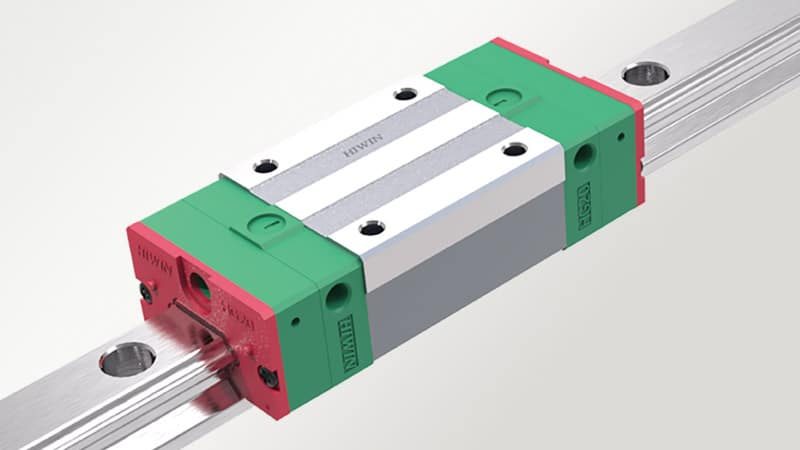
Guide Rail: HIWIN
Laser Power Range: 1500-40000W
Laser Generator: Raycus, Max, IPG
Laser Head: Raytools, Au3tech
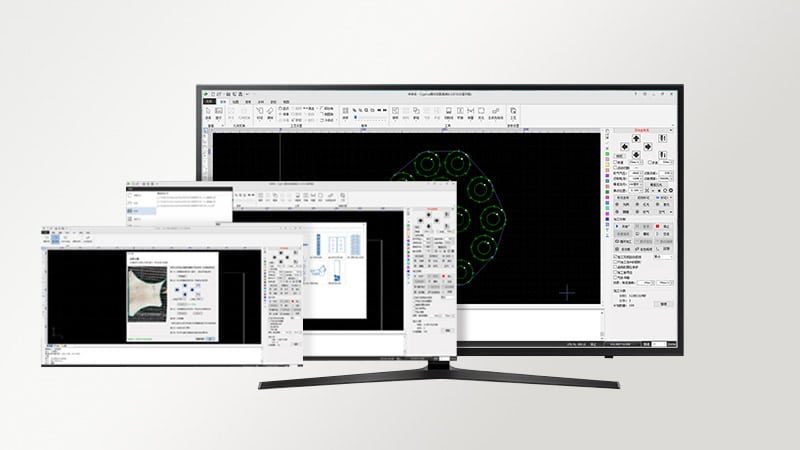
Control Software: Cypcut
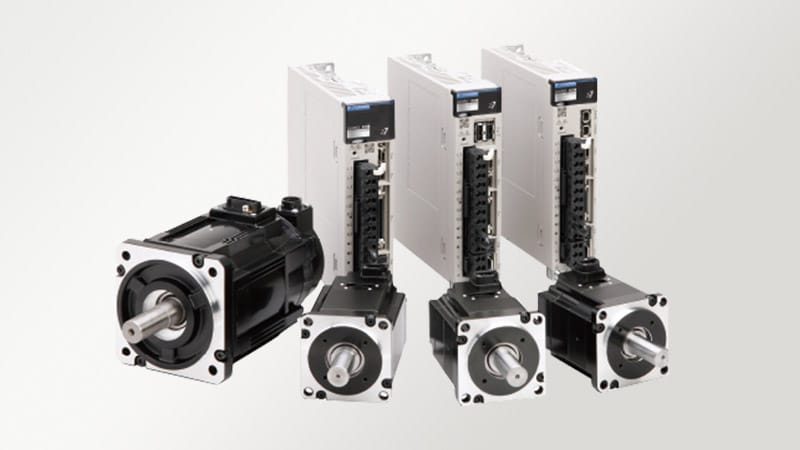
Servo Motor: Yaskawa, Delta

Product Introduction

The aluminum laser cutting machine is a high-precision industrial solution designed for efficient, reliable, and clean cutting of aluminum and other non-ferrous metals. Its high-efficiency laser generator produces a concentrated, stable beam capable of cutting sheets and plates with exceptional accuracy and minimal thermal distortion, ensuring smooth edges and superior surface quality. The machine’s high-performance aluminum alloy beam and heavy-duty plate welding bed provide outstanding rigidity, reducing vibration and deformation to maintain consistent cutting quality during continuous operation. Equipped with high-precision guide rails, servo motors, and a stable gear reducer, it delivers smooth, controlled motion and rapid response even at high speeds. The precision laser cutting head, featuring advanced optics and a capacitive height sensing system, guarantees accurate focal positioning, clean cuts, and minimal defects. Managed by an intelligent control system, the aluminum laser cutting machine optimizes cutting paths, improves productivity, and reduces material waste, making it ideal for demanding industrial manufacturing environments.

Product Configuration

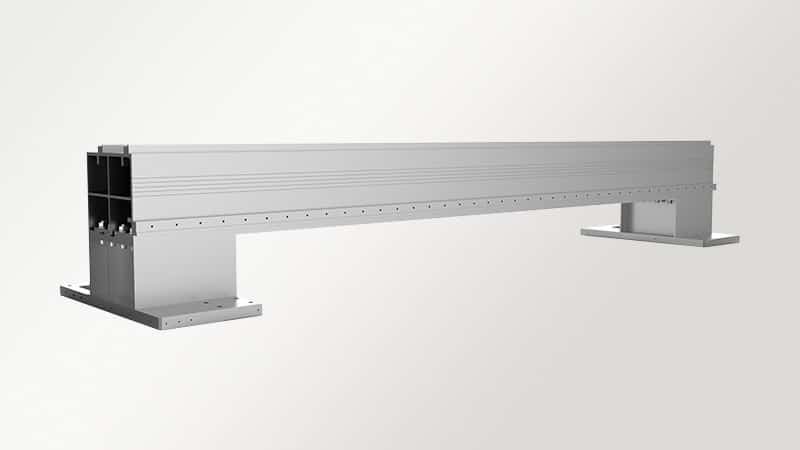
High-Performance Aluminum Alloy Beam

High-Performance Aluminum Alloy Beam

The aluminum alloy beam structure in the machine is lightweight yet rigid, allowing fast acceleration with minimal vibration. Its high strength-to-weight ratio improves motion precision and stability during cutting, while also resisting deformation over time. The material dissipates heat efficiently, helping maintain accuracy under continuous operation. Overall, this design enhances speed, durability, and cutting quality.

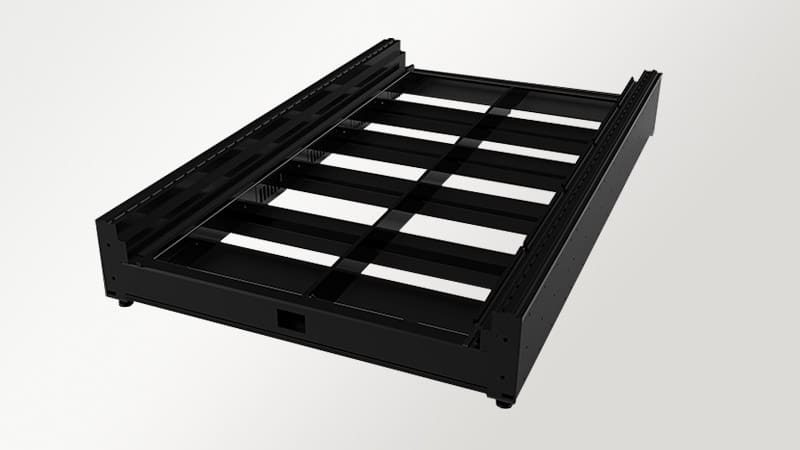
Heavy-Duty Plate Welding Bed

The plate welding bed is built from thick steel plates welded together to create a solid and stable machine base. This structure provides excellent rigidity and load-bearing capacity, reducing vibration and maintaining alignment during cutting. It supports accurate positioning and consistent performance. Its heavy-duty construction ensures durability and reliability in long-term, high-intensity industrial operations.
Heavy-Duty Plate Welding Bed
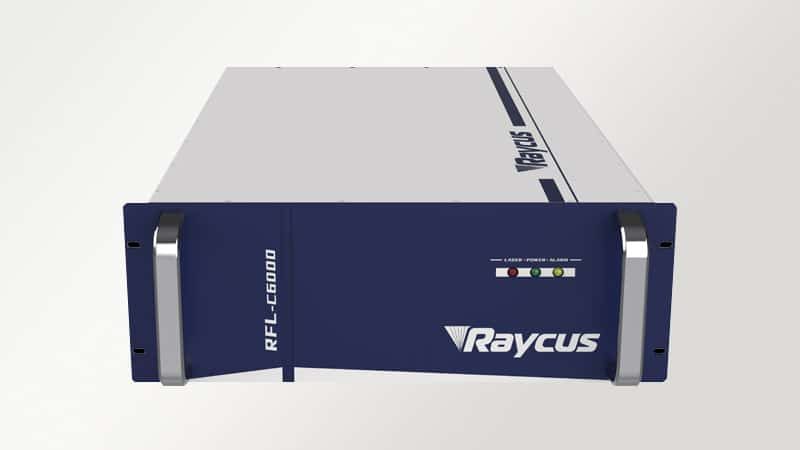
High-Efficiency Laser Generator

High-Efficiency Laser Generator

The laser generator is the core component of the machine, responsible for producing a high-energy, concentrated beam used for precise material processing. It delivers stable output, high electro-optical efficiency, and consistent performance over long operating periods. The design supports low maintenance requirements and reliable operation across different materials and thicknesses, ensuring accuracy and productivity in demanding industrial applications.

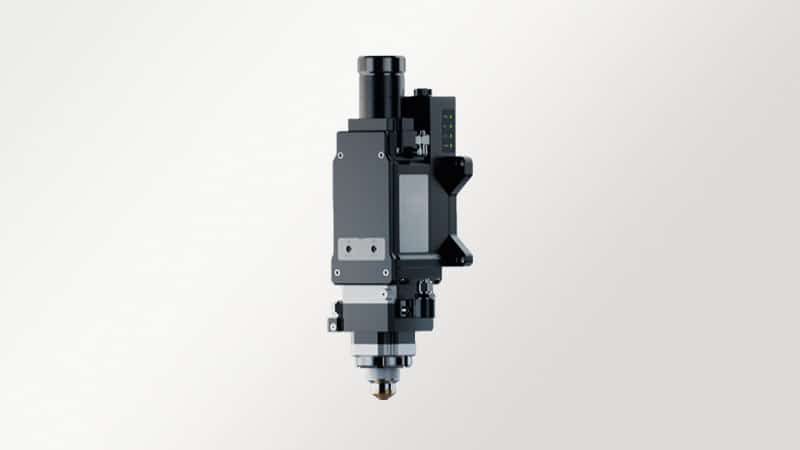
Precision Laser Cutting Head

The laser cutting head is a critical component that precisely directs and focuses the laser beam onto the workpiece. It integrates advanced optics, a capacitive height sensing system, and protective lenses to maintain accurate focal positioning during operation. This enables clean cuts, reduced defects, and stable performance across various materials and thicknesses. Its design supports high-speed processing while ensuring consistent cutting quality.
Precision Laser Cutting Head
Intelligent Control System

Intelligent Control System

The control system is the central unit of the machine, responsible for managing motion control, laser power, and cutting paths with high precision. It offers an intuitive interface, efficient nesting functions, and real-time process monitoring to optimize performance and reduce material waste. The system ensures stable operation, accurate positioning, and smooth execution of complex cutting tasks in continuous production environments.

High-Precision Guide Rail

The guide rail provides precise linear motion for the moving parts of the machine. It is engineered for high rigidity and smooth travel, ensuring accurate positioning and repeatability during operation. The structure minimizes friction and vibration, allowing stable, high-speed movement while maintaining cutting precision. Its durable design supports long-term use with minimal wear, even in demanding industrial environments.
High-Precision Guide Rail
High-Precision Servo Motor

High-Precision Servo Motor

The servo motor drives the movement of a laser cutting machine with exceptional precision and control. It continuously adjusts speed, position, and torque through real-time feedback, ensuring smooth and accurate motion. The system enables quick response, stable operation, and precise path tracking, even at high speeds. Its efficient design supports consistent cutting quality and reliable performance in demanding production environments.

Stable Gear Reducer

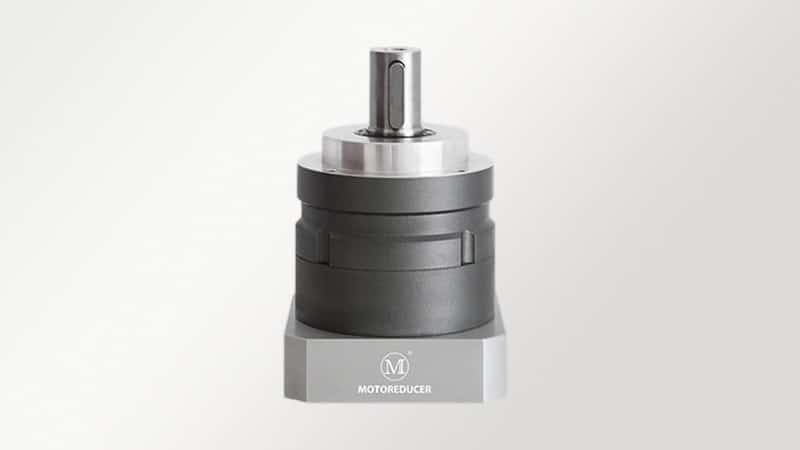
The gear reducer is used to decrease motor speed while increasing torque, enabling precise and stable movement in a laser cutting machine. It ensures smooth power transmission and improves positioning accuracy by minimizing vibration and backlash. The structure enhances control during acceleration and deceleration, supporting consistent cutting performance. Its durable construction allows reliable operation under continuous load and demanding industrial conditions.
Stable Gear Reducer

Product Parameters

Model AKJ1530F AKJ1545F AKJ1560F AKJ2030F AKJ2040F AKJ2060F AKJ2560F
Cutting Range 1500*3000mm 1500*4500mm 1500*6000mm 2000*3000mm 2000*4000mm 2000*6000mm 2500*6000mm
Laser Power 1500-40000W
Laser Generator Raycus/Max/IPG
Control System Au3tech/Cypcut
Laser Cutting Head Au3tech/Raytools/Boci
Transmission System Rack Drive
Rack VASTUN/Apex/YYC
Guide Rail HIWIN
Gear Reducer Motoreducer
Ball Screw TBI
Servo Motor Delta/Yaskawa
Electronic Components Schneider
Pneumatic Components SMC/AirTAC
Water Chiller S&A/Hanli
Maximum Moving Speed 100m/min
Maximum Acceleration 1.0G
Positioning Accuracy ±0.01mm
Repeat Positioning Accuracy ±0.03mm
Voltage and Frequency 380V 50Hz/60HZ

Optional Configuration

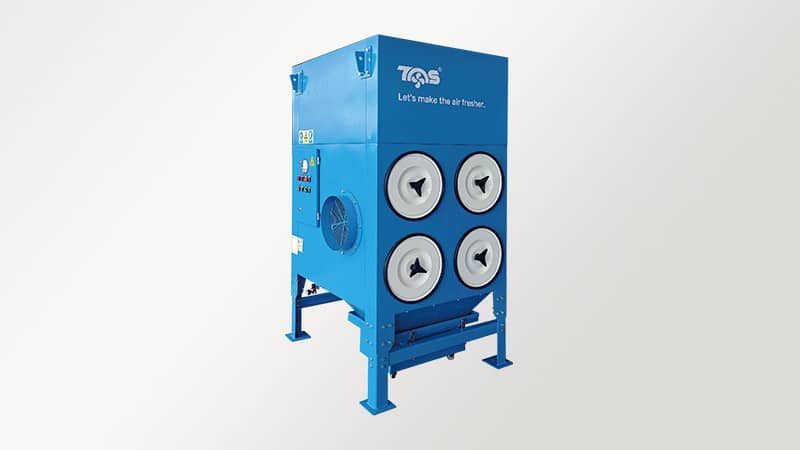
Eco-Friendly Fume Purifier

Eco-Friendly Fume Purifier

The fume purifier is designed to capture and filter smoke, dust, and harmful particles generated during laser cutting. It uses a multi-stage filtration system to remove contaminants from the air, improving workplace safety and environmental conditions. The structure helps maintain clean air, reduces operator exposure to pollutants, and supports compliance with industrial standards. Its efficient operation ensures a healthier and more controlled production environment.

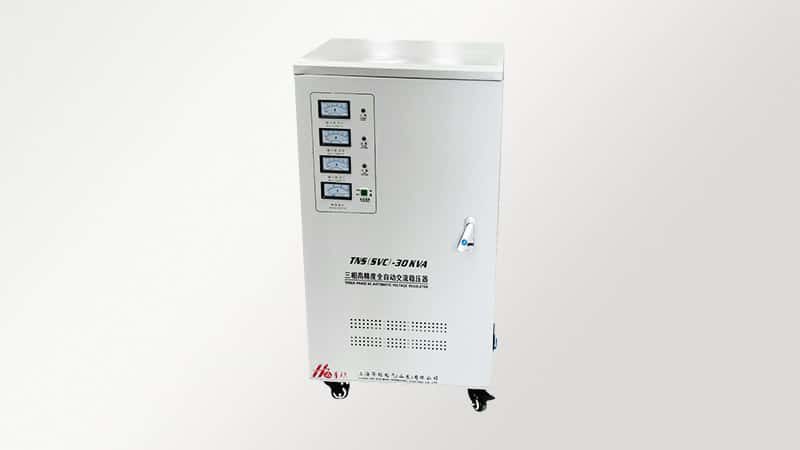
Stabilizing Voltage Regulator

The voltage regulator stabilizes the electrical supply to laser cutting machines, protecting it from fluctuations, surges, and drops in power. It ensures consistent voltage input, which helps maintain stable machine performance and prevents damage to sensitive components. The structure improves reliability, reduces the risk of downtime, and extends equipment lifespan. Its role is essential for maintaining precision and consistent output in varying power conditions.
Stabilizing Voltage Regulator
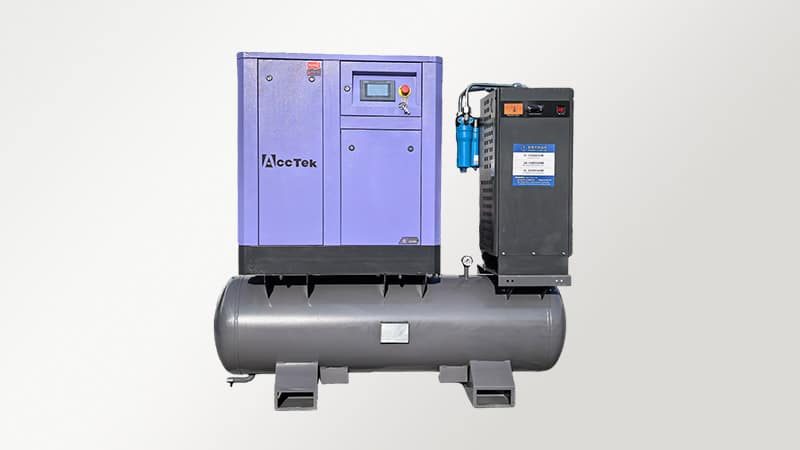
Reliable Air Compressor

Reliable Air Compressor

The air compressor supplies a continuous flow of compressed air to assist the laser cutting process. It helps expel molten material and debris from the cutting zone, improving edge quality and reducing oxidation. The system ensures stable pressure and reliable airflow, supporting consistent cutting performance. Its integration enhances efficiency and reduces operating costs, making it suitable for sustained industrial use.

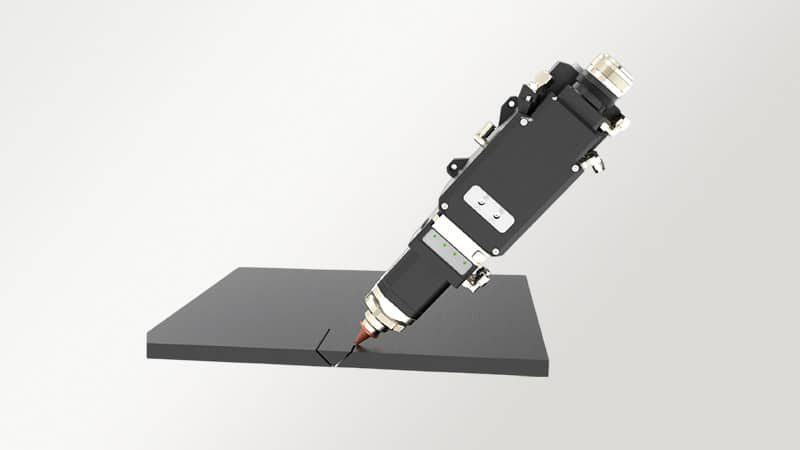
Flexible Beveling Cutting Device

The beveling cutting device enables laser cutting machines to produce angled edges by tilting the cutting head during operation. It allows precise control over bevel angles, improving weld preparation and fit-up quality. The structure expands cutting capabilities beyond straight cuts, supporting complex shapes and designs. Its stable adjustment mechanism ensures consistent accuracy and smooth performance in demanding industrial applications.
Flexible Beveling Cutting Device

Compared With Other Cutting Methods

Comparison Item Aluminum Laser Cutting Plasma Cutting Waterjet Cutting Mechanical Cutting
Cutting Principle Uses a focused laser beam to melt and cut aluminum Uses a plasma arc to melt conductive metal Uses high-pressure water and abrasive to erode material Uses saws, shears, routers, punches, or milling tools
Cutting Precision High precision for detailed aluminum parts Medium precision High precision, but slower Medium precision, depends on tool and setup
Edge Quality Clean edges with minimal burrs when parameters are optimized Rougher edges with more dross Smooth, cold-cut edges May leave burrs, chips, or tool marks
Heat-Affected Zone Small heat-affected zone Larger heat-affected zone No heat-affected zone Minimal heat, but mechanical stress may occur
Cutting Speed Fast for thin and medium aluminum sheets Fast for thicker aluminum, but less precise Slower than laser and plasma Moderate, often slower for complex shapes
Thin Sheet Performance Excellent for thin aluminum sheets and fine contours May cause warping or edge roughness Good, but less efficient Possible, but sheet distortion may occur
Thick Plate Performance Effective with suitable laser power and process gas Good for thicker conductive aluminum Very good for thick aluminum plates Limited by tool force and machine capacity
Reflective Material Handling Modern fiber lasers can cut aluminum effectively Not strongly affected by reflectivity Not affected by reflectivity Not affected by reflectivity
Kerf Width Narrow kerf, saving material Wider kerf Medium kerf Usually wider than laser cutting
Material Waste Low waste due to narrow cutting path Higher waste than laser Moderate waste from kerf and abrasive use Higher waste from chips and tool path
Burr Formation Minimal burrs with proper settings More dross and edge cleanup needed Minimal burrs Burrs are common
Thermal Deformation Low with optimized parameters Higher risk due to heat input No thermal deformation Possible bending or stress from cutting force
Surface Finish Maintains a clean aluminum surface May cause oxidation and discoloration Preserves original surface well May scratch or mark the surface
Secondary Processing Often little deburring or polishing needed Often requires grinding or cleaning Usually little secondary processing Often requires deburring and edge finishing
Complex Shape Cutting Excellent for holes, slots, curves, and fine patterns Good for simple and medium-complex shapes Good for complex shapes, but slower Limited for intricate designs
Automation Capability Highly suitable for CNC automation and batch production Suitable for CNC cutting Suitable for CNC cutting Automation possible, but tool changes may be needed
Tool Wear No physical cutting tool contacts the aluminum Electrode and nozzle wear Nozzle wear and abrasive consumption Cutting tools wear and may clog with aluminum chips
Operating Cost Efficient for high-volume precision aluminum cutting Lower initial cost, but more finishing work Higher cost due to abrasive and pump maintenance Low for simple cuts, but tooling and labor costs add up
Best Use Cases Aluminum enclosures, signs, panels, frames, automotive parts, aerospace components Rough cutting of thicker aluminum plates Heat-sensitive aluminum parts and very thick plates Straight cuts, drilling, milling, sawing, and low-volume work
Overall Advantage Best balance of speed, precision, automation, edge quality, and material savings Good for rough cutting conductive metals Best when cold cutting and no heat effect are required Good for simple, low-cost aluminum processing tasks

Product Application

The aluminum laser cutting machine is designed for industrial applications requiring precision, speed, and high-quality results when processing aluminum and other non-ferrous metals. It is widely used in industries such as aerospace and automotive manufacturing, electronics enclosures, metal furniture, architectural and decorative metalwork, and industrial equipment fabrication. The machine’s high-performance aluminum alloy beam and heavy-duty plate welding bed ensure stability for consistent and repeatable cuts, even during continuous, high-speed production. Advanced features, including the precision laser cutting head, high-precision guide rails, and intelligent control system, allow for complex shapes, intricate patterns, and efficient nesting while minimizing material waste and defects. Its robust construction and accurate motion system make it ideal for cutting aluminum sheets and plates of varying thicknesses, producing smooth edges and superior surface quality. The aluminum laser cutting machine is a reliable solution for manufacturers seeking efficiency, precision, and productivity in demanding industrial environments.
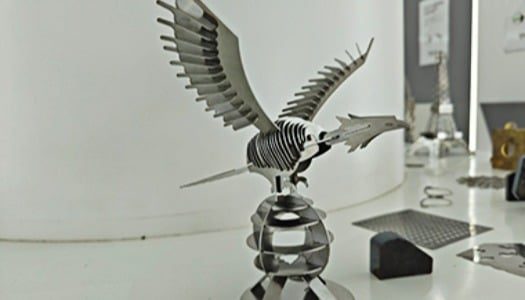
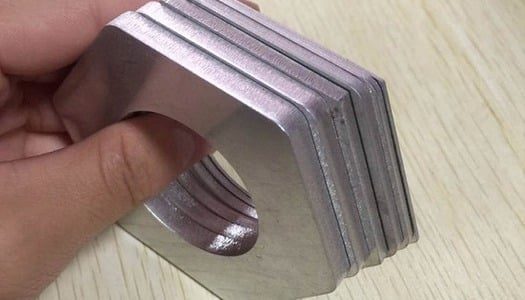
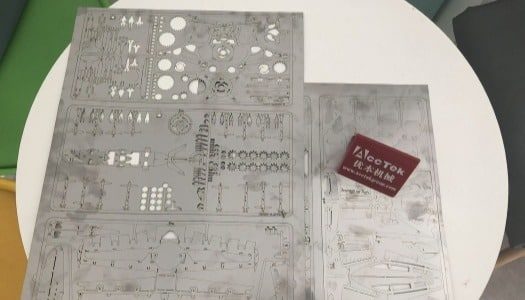
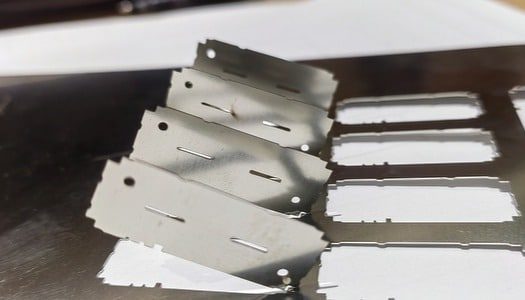
Sheet Fiber Laser Cutting Samples

Why Choose AccTek Laser

Advanced Laser Technology

AccTek Laser integrates advanced laser technology into its cutting machines to deliver high precision, stable performance, and efficient cutting results. Their systems use reliable laser sources and optimized control systems, ensuring that operators achieve consistent cuts with minimal material waste. This innovation also helps in enhancing material quality while reducing the risk of thermal damage during the cutting process.

Wide Range of Machine Options

AccTek Laser offers a broad selection of laser cutting machines with different power levels and configurations to suit diverse application requirements. Customers can choose from compact, portable systems for small-scale operations to large industrial machines for high-volume cutting tasks. This makes it easy to find the right solution for cutting metal sheets, plastics, ceramics, and more, ensuring versatility for various industries.

High-Quality Components

AccTek Laser machines are built using top-quality components sourced from globally recognized suppliers. This includes durable laser sources, cutting-edge scanning systems, and reliable control electronics. By using premium parts, AccTek Laser enhances machine stability, extends service life, and ensures consistent performance under demanding operating conditions, ultimately reducing maintenance needs.

Customization and Flexible Solutions

AccTek Laser provides flexible customization options to meet specific customer needs. Machine features like laser power, cutting speed, cooling systems, and automation integration can be tailored to suit different production environments and application requirements. This flexibility ensures that customers achieve optimal cutting performance, productivity, and cost-efficiency.

Professional Technical Support

AccTek Laser offers comprehensive technical support throughout the entire purchase and operation process. Their experienced team assists with machine selection, installation, operation training, and troubleshooting. This level of support helps customers seamlessly adapt to laser cutting technology, ensuring smooth operations and quick issue resolution when necessary.

Reliable Global Service

With years of experience serving customers globally, AccTek Laser provides dependable international service and support. They offer detailed documentation, remote assistance, and responsive after-sales service to help customers maintain their machines and minimize downtime. This ensures that customers can continue their operations with minimal disruptions, enhancing long-term productivity and customer satisfaction.

Related Resources

Are Chinese Laser Cutting Machines Good

Are Chinese Laser Cutting Machines Good?

This article mainly teaches you how to choose a suitable Chinese brand laser cutting machine. If you are also thinking of getting one, please read this article patiently; you will

Customer Testimonials

4 reviews for Aluminum Laser Cutting Machine

  1. Benjamin

    This machine is easy to operate and performs well in daily tasks. The controls are clear, and I can quickly set up jobs. It runs smoothly and doesn’t shake much. The cuts are clean, and there’s less need for extra work afterward. It’s also quite reliable during long shifts. I haven’t had any major issues so far. It’s a solid machine for regular factory use.

  2. Charlotte

    Precision is very important in my work, and this machine delivers accurate results. The cutting head maintains stable focus, which improves edge quality. I can rely on it for detailed designs without worrying about errors. The system allows easy adjustments, which is helpful when working on different projects. It runs smoothly and consistently. Overall, it’s a dependable tool that supports both design and production needs.

  3. James

    As a small business owner, I needed a machine that is reliable and efficient. This one has met those expectations. It handles different materials well and produces consistent results. The control system is easy to learn, which helps when training new staff. It runs smoothly and doesn’t require frequent maintenance. I’ve been able to increase productivity without adding extra labor. Overall, it’s a practical investment that supports steady business growth.

  4. Mia

    This machine has helped improve both speed and quality in our workshop. The aluminum beam allows faster movement without losing accuracy. Cuts are clean, and we spend less time finishing. The system is easy to operate, even for less experienced workers. It runs smoothly during long shifts, and there are no major interruptions. I also like how stable it feels during operation. It has become a key part of our daily workflow, and I’m satisfied with its overall performance.

Add a review

Your email address will not be published. Required fields are marked *

thirteen + 5 =

Frequently Asked Questions

What Is The Laser Cutting Speed For Aluminum?

Aluminum laser cutting speeds can vary depending on several factors, including the thickness of the aluminum sheet, the power of the laser cutting machine, the desired cut quality, and specific cutting process parameters. Laser cutting speeds are typically measured in inches per minute (IPM) or meters per minute (m/min).
For thin aluminum sheets (1mm–10mm thick), laser cutting speeds can range from a few meters per minute to tens of meters per minute. The speed depends largely on the power of the machine and the specific cutting conditions. Thicker aluminum sheets, however, require slower speeds to ensure clean cuts and to prevent issues like overheating, melting, or the formation of burrs. This is due to the increased material density and the higher laser power needed to effectively cut through the material.
The optimal cutting speed is determined by the capabilities of the laser cutting machine and the desired cut quality, including factors like edge finish, precision, and accuracy. Higher-power laser generators designed specifically for metal cutting can achieve faster speeds, delivering superior results.
If you need more information on aluminum laser cutting, feel free to contact us. Our engineers will recommend the ideal cutting speed based on your chosen machine and specific requirements. We also offer guidance on cutting speeds for different aluminum thicknesses, assist with gas options, and help make test cuts to fine-tune parameters for optimal results.

Operating costs for laser cutting aluminum can vary significantly based on factors such as job size, design complexity, aluminum thickness, energy consumption, labor costs, and other overhead expenses. These costs can fluctuate due to market conditions and location, but here’s an approximate breakdown of each item involved:

  • Power Consumption: The electricity required for laser cutting depends on the machine’s power rating and the duration of the cutting process. On average, electricity costs range from $0.10 to $0.50 per kWh. For aluminum cutting, electricity costs typically range from $5 to $20 per hour.
  • Laser Consumables: Consumables, including auxiliary gas, nozzles, and focusing lenses, are necessary for laser cutting. The cost of consumables can range from $1 to $10 per hour, depending on the frequency of replacements and the intensity of use.
  • Labor Costs: Labor costs are based on the wages or salaries of operators and technicians. These costs depend on job complexity and operator expertise. Labor rates typically range from $20 to $100 per hour, depending on location and skill level.
  • Maintenance and Repair: Regular maintenance, including inspections, cleaning, and part replacements, is required to keep the laser-cutting machine running smoothly. Maintenance and repair costs can range from 5% to 10% of the machine’s initial cost annually, depending on the machine’s age and complexity.
  • Administrative Expenses: These include rent, utilities, insurance, and other operational overheads, which can vary based on the business size and location. A general estimate is that administrative expenses account for about 10% to 20% of total operating costs.

These are general estimates and can vary greatly depending on your specific setup. For more precise information tailored to your needs, it’s recommended to consult local suppliers, manufacturers, or industry experts to obtain detailed, location-specific operating cost data.

Various laser cutting machines are capable of cutting aluminum, but the choice of machine depends on factors such as material thickness, required precision, and the specific application. Below are the most common laser-cutting machines used for aluminum:

  • Fiber Laser Cutting Machine: Fiber lasers have become increasingly popular for metal cutting, including aluminum. They use optical fibers doped with rare earth elements like ytterbium to generate a high-power, high-efficiency laser beam. Fiber lasers offer better metal absorption and higher power density, making them ideal for cutting thin to medium-thick aluminum sheets. They also perform well with reflective materials. With the appropriate laser power, fiber lasers can efficiently handle thicker aluminum sheets.
  • CO2 Laser Cutting Machine: While CO2 lasers can cut aluminum, their cutting efficiency is typically lower compared to fiber lasers. This is because aluminum’s high reflectivity to CO2 laser wavelengths results in slower, less efficient cutting. CO2 lasers are more commonly used for non-metallic materials such as acrylic, wood, and plastics. However, with the right settings and adjustments, CO2 lasers can still produce satisfactory results for cutting aluminum, especially for thinner sheets.
  • Nd: YAG Laser Cutting Machine: Nd: YAG (Neodymium Doped Yttrium Aluminum Garnet) lasers can also be used for aluminum cutting. These lasers operate at a wavelength that suits aluminum cutting, but they are less commonly used in industrial applications compared to fiber lasers. Nd: YAG lasers are typically used for specialized cutting tasks, such as processing thicker aluminum or cutting reflective materials.

Generally, fiber lasers are preferred for aluminum cutting due to their higher efficiency, faster speeds, and ability to produce narrower kerfs. When selecting a laser cutting machine, it’s important to consider the power output based on the desired thickness, as well as the machine’s overall capabilities and the reputation of the manufacturer to ensure high-quality, reliable cutting results.

While laser cutting is a safe and effective method for processing aluminum, several potential risks need to be addressed with proper safety measures. Here are some of the key risks associated with laser-cutting aluminum:

  • Eye and Skin Hazards: Laser beams are highly concentrated and can cause severe eye injury or even blindness if proper precautions are not taken. Direct exposure to the laser beam or its reflections can be dangerous. Operators must wear appropriate laser safety glasses or goggles designed for the specific laser wavelength. Direct contact with the laser beam can also cause burns to the skin, so operators should avoid any contact with the laser beam.
  • Smoke and Particulate Emissions: Laser-cutting aluminum generates smoke and fine particles, including potentially harmful substances like aluminum oxide and other metal oxides. Breathing in these particles can cause respiratory issues and other health problems. Adequate ventilation and exhaust systems should be in place to filter and remove fumes and particulates from the work area.
  • Fire Hazard: Aluminum is highly reflective and can efficiently conduct heat, increasing the risk of reflecting the laser beam onto the machine or nearby flammable materials, which can cause a fire. Operators must implement proper fire safety measures and be cautious of hot surfaces. Proper handling of flammable materials and awareness of heat accumulation is essential to mitigate this risk.
  • Material Emission: Due to aluminum’s reflective nature, the laser beam can bounce off the material’s surface, potentially causing unintended reflections that may lead to accidents or injury. Laser-cutting machines should be equipped with appropriate shielding and safety barriers to contain the laser beam and prevent reflected light from escaping the cutting area.
  • Material Stability: The high temperatures generated during the laser cutting process can cause localized heating and thermal expansion, leading to material warping or deformation. This can affect the accuracy and quality of the cut. Using proper jigs or clamping techniques is crucial to minimize material movement and ensure precision.
  • Electrical Hazard: Laser cutting machines require significant amounts of electricity to generate the laser beam. Improper handling or faulty equipment can pose electrical hazards, such as electric shock. Proper grounding, electrical connections, and safety measures should be followed to prevent electrical accidents.

To minimize these risks, it is essential to follow the manufacturer’s safety guidelines, use appropriate personal protective equipment (PPE), ensure proper ventilation, and establish comprehensive safety protocols. Consulting with a laser safety expert and adhering to local safety regulations will further enhance the safety of laser-cutting aluminum.

Aluminum and its alloys are commonly processed using laser cutting due to their excellent properties. While most aluminum alloys can be effectively cut with a laser, some are better suited than others based on factors like material thickness, cutting speed, and the type of laser machine used. Here are some of the most common aluminum alloys that can be laser cut:

  • 1xxx Series Aluminum: This series consists of pure aluminum alloys, known for their high corrosion resistance and excellent formability. They are easy to laser cut but have lower strength compared to other alloys. These alloys provide clean cuts with minimal effort.
  • 2xxx Series Aluminum (Aluminum-Copper Alloys): These alloys are strong and have excellent machinability. However, their high copper content can make them more challenging to cut, as they may produce rougher edges compared to pure aluminum alloys. Proper laser power and cutting parameters are crucial for achieving clean cuts.
  • 3xxx Series Aluminum (Aluminum-Manganese Alloys): These alloys offer good formability and corrosion resistance but are not as strong as other aluminum types. The presence of manganese can lead to slightly rougher cut edges when laser cutting, although they can still be cut effectively.
  • 5xxx Series Aluminum (Aluminum-Magnesium Alloys): Alloys like 5052 and 5083 are known for their excellent corrosion resistance and good strength. They laser cut exceptionally well, resulting in smooth edges and clean cuts. These alloys are often used in marine environments due to their resistance to saltwater corrosion.
  • 6xxx Series Aluminum (Aluminum-Magnesium-Silicon Alloys): This series is known for its excellent strength, machinability, and corrosion resistance. It is suitable for laser cutting, but thicker sheets may require higher-powered laser generators to achieve optimal results.
  • 7xxx Series Aluminum (Aluminum-Zinc-Magnesium-Copper Alloys): Known for their exceptional strength, these alloys are often used in aerospace and military applications. However, their high zinc and magnesium content can make them more challenging to laser cut, as they have higher reflectivity. Special care is needed to ensure clean, precise cuts and higher-powered lasers may be required.

When laser cutting aluminum alloys, it’s important to consider the material’s specific composition and thickness, as these factors influence the laser’s power, cutting speed, and assist gas requirements. Consulting with the laser cutting machine manufacturer or service provider is recommended to ensure the best results for your particular application.

The most commonly used gas for laser cutting aluminum is nitrogen (N2). Nitrogen is an inert gas, meaning it does not react with aluminum during the cutting process. This helps prevent oxidation, which can affect the quality of the cut. Using nitrogen as an assist gas offers several benefits for laser cutting aluminum:

  • Non-Reactive: Nitrogen doesn’t react with aluminum, minimizing oxidation and discoloration on the cutting edges. This results in clean, high-quality cuts.
  • Heat Dissipation: Nitrogen helps cool the material during cutting, reducing the risk of heat-related issues like warping or deformation, especially for thicker sheets of aluminum.
  • Increased Cutting Speed: Nitrogen increases the cutting speed compared to other assist gases, which enhances productivity by reducing cutting times.
  • Reduced Oxide Build-Up: Nitrogen prevents the formation of oxide layers on the aluminum surface during the cutting process. This minimizes post-cut cleaning and surface preparation.
  • Improved Cut Quality: With less oxidation, nitrogen produces smoother, cleaner cut edges with less dross and fewer burrs, resulting in a high-quality finished product.
  • Reduced Heat-Affected Zone: As a coolant, nitrogen helps reduce the heat-affected zone (HAZ), preserving the material’s integrity and improving dimensional accuracy.

While nitrogen is the preferred assist gas for laser cutting aluminum, other gases like compressed air or oxygen can also be used based on the application. Compressed air is cost-effective for cutting thinner sheets, while oxygen may offer higher cutting speeds but can lead to increased oxidation and rougher edges. Choosing the right assist gas depends on factors like desired edge quality, cutting speed, material thickness, and machine capabilities. For optimal results, consult with the laser cutting machine manufacturer or a cutting specialist to select the best gas for your specific needs.

Aluminum poses several challenges when it comes to laser cutting due to its unique properties. Here are the key reasons why aluminum can be difficult to cut:

  • High Thermal Conductivity: Aluminum efficiently conducts heat away from the cutting area, which can reduce the effectiveness of the laser. Excess heat transfer to surrounding material can lead to issues like melting, warping, or blurred cuts if not properly managed.
  • Reflectivity: Aluminum, particularly when polished or shiny, is highly reflective of laser light. This reflectivity causes the laser energy to bounce off the surface, reducing its absorption and cutting efficiency. To counteract this, higher laser power or specialized optics may be required.
  • Oxide Layer Formation: Aluminum rapidly forms an oxide layer when exposed to air, which can act as a barrier to the laser. This layer can interfere with the cutting process, requiring strategies such as using nitrogen as an assist gas or increasing laser power to penetrate the oxide layer.
  • Softness and Malleability: Aluminum is relatively soft and malleable compared to other metals. This malleability can cause the material to deform or bend during cutting, potentially affecting the cut quality and precision. Additionally, its ductility can result in burrs or rough edges that may require post-cutting processing.
  • Heat Dissipation: Aluminum’s high thermal conductivity means heat dissipates quickly during cutting. This rapid heat dissipation makes it challenging to maintain the ideal cutting temperatures, which are crucial for a clean and precise cut.

To overcome these challenges, specialized techniques and optimized parameters are necessary. These include using higher laser power, selecting appropriate assist gases, adjusting the focal length and beam quality, and employing cooling or air assist systems. With the right equipment and parameters, laser cutting aluminum can be achieved efficiently and with high precision.

Laser-cutting aluminum can be safe when proper safety precautions and operating procedures are followed. Adhering to safety guidelines significantly reduces potential risks and ensures a safe working environment. Below are key safety considerations for laser cutting aluminum:

  • Fumes and Dust: Laser-cutting aluminum generates fumes and fine dust particles, which can be harmful if inhaled. These particles, particularly aluminum oxide, can irritate the respiratory system. It’s essential to have an effective ventilation system, such as an exhaust fan or air filtration system, to remove fumes and dust from the cutting area.
  • Protective Gear: Laser beams used in cutting aluminum are powerful and can cause serious eye and skin damage. Therefore, anyone operating or working near the laser cutting area should wear appropriate protective gear, including safety goggles designed for laser use, gloves, and flame-resistant clothing. This helps prevent direct exposure to the laser beam and any potential flying debris.
  • Fire Hazard: Due to aluminum’s high reflectivity and excellent heat conductivity, there is an increased risk of fire during laser cutting. To minimize this hazard, ensure the work area is free of flammable materials, and have fire suppression systems (e.g., fire extinguishers) in place. Following proper fire safety protocols is crucial to prevent accidents.
  • Operator Training: Laser cutting requires skilled and trained operators who are familiar with both the equipment and safety procedures. Operators should receive proper training in machine handling, maintenance, and emergency protocols to ensure the safety of themselves and others working nearby.
  • Electrical Safety: Laser cutting machines have high electrical demands, which can pose electrical hazards if not handled properly. Ensure that the equipment is properly grounded and insulated and that operators are familiar with electrical safety practices to minimize the risk of electrical accidents.
  • Equipment Safety: Regular maintenance and inspections of the laser cutting equipment are critical to safe operation. Malfunctions or poor maintenance can lead to serious safety risks, such as electrical hazards or compromised laser beam quality. Always follow the manufacturer’s guidelines for maintenance and repairs.

To ensure the safety of laser-cutting aluminum, it’s important to follow local regulations and guidelines, perform regular risk assessments, provide appropriate safety equipment, and maintain a safe working environment. Consulting a laser safety expert or occupational health and safety specialist can provide additional insights tailored to your specific situation.

Get Laser Cutting Solutions

Finding the right laser cutting solution is crucial for improving efficiency, precision, and productivity in your operations. Whether you’re in manufacturing, aerospace, automotive, or another industry, laser cutting technology can provide a cost-effective and highly efficient way to handle a wide range of materials such as metals, plastics, wood, and composites. With its ability to create clean, precise cuts with minimal waste, laser cutting ensures that your production processes are streamlined and meet high-quality standards.
At AccTek Laser, we offer a variety of laser cutting machines designed to meet diverse needs. From compact systems for small-scale applications to large industrial machines capable of cutting thick materials, we provide solutions that can be customized to suit your specific requirements. Our machines are equipped with the latest technology to ensure optimal performance, speed, and precision.
Getting started with laser cutting is easy. Our team works closely with you to understand your needs, provide tailored recommendations, and guide you through the setup and operation process. Whether you need to improve cutting accuracy, reduce waste, or speed up production, we have the tools and expertise to help you achieve your goals. Explore our range of laser cutting machines today and discover how they can transform your manufacturing processes.
* We value your privacy. AccTek Laser is committed to protecting your personal information. Any details you provide when submitting the form will be kept strictly confidential and used only to assist with your inquiry. We do not share, sell, or disclose your information to third parties. Your data is securely stored and handled by our privacy policy.

Unlock Precision With AccTek Laser Solutions!

We can customize the design according to your requirements. You only need to tell us your requirements, and our engineers will provide you with turnkey solutions in the shortest possible time. Our laser equipment prices are very competitive, please contact us for a free quote. If you need other laser equipment-related services, you can also contact us.
Leave Your Details For A Tailor-Made Solution
*At AccTek Laser, we value and respect your privacy. Rest assured that any information you provide is strictly confidential and will only be used to deliver personalized solutions and quotes.