

















Introduction


Tube And Sheet Laser Cutting Power Selection
Tube And Sheet Laser Cutting Materials
- Carbon Steel
- Mild Steel
- Low Alloy Steel
- High Alloy Steel
- Ferritic Stainless Steel
- Austenitic Stainless Steel
- Martensitic Stainless Steel
- Duplex Stainless Steel
- Super Duplex Stainless Steel
- Galvanized Steel
- Oxygen-Free Copper
- Brass
- Bronze
- Phosphor Bronze
- Beryllium Copper
- Titanium
- Titanium Alloys
- Nickel
- Nickel Alloys
- Cobalt
- Cobalt Alloys
- Magnesium
- Magnesium Alloys
- Zinc
- Zinc Alloys
- Tungsten
- Molybdenum
- Silver
- Gold
- Platinum
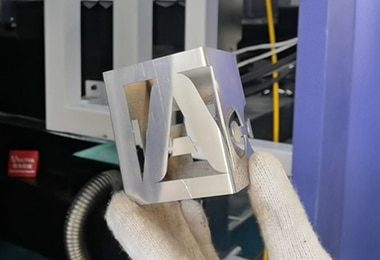
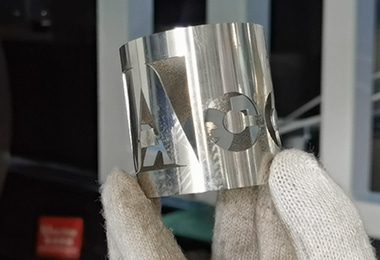
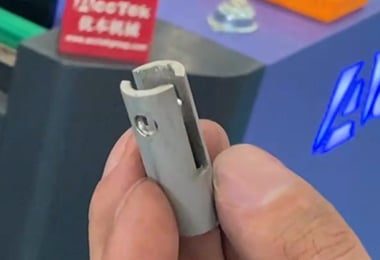
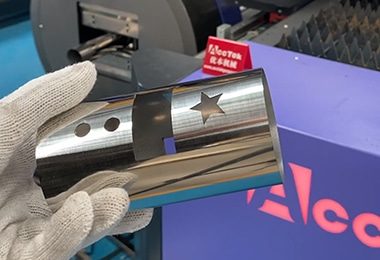
Applications of Tube And Sheet Laser Cutting Machines
Comparison with Traditional Cutting
| Comparison Item | Laser Cutting | Plasma Cutting | Flame Cutting | Waterjet Cutting |
|---|---|---|---|---|
| Cutting Accuracy | High precision, tight tolerances | Moderate accuracy, larger tolerances | Lower precision, rougher edges | Moderate precision, less sharp edges |
| Flexibility for Complex Shapes | Excellent for intricate designs, complex contours | Limited for intricate designs | Not ideal for complex shapes | Good for complex shapes, but slower |
| Material Compatibility | Works on a wide range of metals, plastics, and composites | Works primarily on metals | Works primarily on metals | Works on metals, glass, ceramics, and composites |
| Speed | Fast for both tube and sheet cutting | Fast, especially for thicker materials | Slower, particularly for thick materials | Slower, especially for thick materials |
| Edge Quality | Clean, smooth, minimal burrs | Rough edges, requires finishing | Rough edges, needs post-processing | Smooth edges, minimal burrs |
| Heat Affected Zone (HAZ) | Minimal heat-affected zone | Large HAZ may distort the material | Large HAZ may cause warping | No HAZ, preserves material integrity |
| Material Waste | Minimal material waste with optimized nesting | Higher material waste, especially for thicker cuts | Moderate material waste | Minimal material waste, but a slower process |
| Beveling Capability | Can produce precise bevels | Limited beveling capability | Can produce bevels, but often rough | Can produce beveled edges, precise |
| Labor Intensity | Low, mostly automated | Moderate, requires manual setup and monitoring | High, requires constant supervision | Moderate, requires water management |
| Setup Time | Quick setup, minimal adjustments | Moderate setup time | Longer setup time | Long setup time |
| Material Thickness | Ideal for thin to medium thicknesses | Best for thicker materials | Best for thick materials | Works for all thicknesses |
| Energy Consumption | Moderate power consumption | High energy consumption | Very high energy consumption | High energy and water usage |
| Post-Processing Requirements | Minimal, clean cuts | Requires deburring and finishing | Requires cleaning and finishing | Minimal post-processing required |
| Speed for Thin Materials | Very fast | Fast | Moderate | Slow |
| Automation Capability | Very high, easy to integrate into automated systems | Limited automation capability | Limited automation capability | High automation potential |
| Material Integrity | Minimal thermal impact, no distortion | Risk of material distortion | Heat causes distortion and warping | No heat, maintains material integrity |
| Maintenance Requirements | Low maintenance, few moving parts | Moderate maintenance due to nozzle wear | High maintenance, nozzle wear | Moderate, requires maintenance for the pump and abrasives |
| Cost of Equipment | Higher initial investment | Medium initial cost | Medium to high initial cost | High initial cost |
| Safety Risk | Low risk with proper safety protocols | Moderate risk, requires ventilation and protection | High risk, requires ventilation and safety measures | Low risk with water handling procedures |
Why Choose AccTek Laser
Advanced Laser Technology
AccTek Laser integrates advanced laser technology into its cutting machines to deliver high precision, stable performance, and efficient cutting results. Their systems use reliable laser sources and optimized control systems, ensuring that operators achieve consistent cuts with minimal material waste. This innovation also helps in enhancing material quality while reducing the risk of thermal damage during the cutting process.
Wide Range of Machine Options
AccTek Laser offers a broad selection of laser cutting machines with different power levels and configurations to suit diverse application requirements. Customers can choose from compact, portable systems for small-scale operations to large industrial machines for high-volume cutting tasks. This makes it easy to find the right solution for cutting metal sheets, plastics, ceramics, and more, ensuring versatility for various industries.
High-Quality Components
AccTek Laser machines are built using top-quality components sourced from globally recognized suppliers. This includes durable laser sources, cutting-edge scanning systems, and reliable control electronics. By using premium parts, AccTek Laser enhances machine stability, extends service life, and ensures consistent performance under demanding operating conditions, ultimately reducing maintenance needs.
Customization and Flexible Solutions
AccTek Laser provides flexible customization options to meet specific customer needs. Machine features like laser power, cutting speed, cooling systems, and automation integration can be tailored to suit different production environments and application requirements. This flexibility ensures that customers achieve optimal cutting performance, productivity, and cost-efficiency.
Professional Technical Support
AccTek Laser offers comprehensive technical support throughout the entire purchase and operation process. Their experienced team assists with machine selection, installation, operation training, and troubleshooting. This level of support helps customers seamlessly adapt to laser cutting technology, ensuring smooth operations and quick issue resolution when necessary.
Reliable Global Service
With years of experience serving customers globally, AccTek Laser provides dependable international service and support. They offer detailed documentation, remote assistance, and responsive after-sales service to help customers maintain their machines and minimize downtime. This ensures that customers can continue their operations with minimal disruptions, enhancing long-term productivity and customer satisfaction.
Customer Reviews
Related Resources

Guide to Materials that Can Be Cut by CO2 and Fiber Laser Cutting Machines
This guide covers all materials that CO2 and fiber laser cutting machines can process, explains how wavelength determines compatibility, and helps you choose the right laser generator for your application.

CO2 Laser Cutting Machine Safety Guidelines
This article covers the essential safety precautions for operating a CO2 laser cutting machine, from radiation and fire risks to fume extraction, PPE, machine features, and routine maintenance checks.

CO2 Laser Power and Cutting Performance
This article explains how CO2 laser generator wattage from 60W to 600W affects cutting speed, depth, and material capability, and clarifies when higher power delivers real gains and when it

CO2 Laser Generator Cutting Materials Guide: From Parameter Settings to Best Practices
Explore which materials CO2 laser generators cut most effectively, what parameter adjustments each material requires, which materials must be avoided entirely, and how to maintain safe cutting operations across every
Frequently Asked Questions
How To Choose Suitable Tube And Sheet Laser Cutting Machines?
- Material Type and Thickness: Start by identifying the metals you will process, such as carbon steel, stainless steel, or aluminum. Consider both sheet thickness and tube wall thickness. The machine must handle your full range of materials efficiently.
- Laser Power Selection: Power determines cutting capability and speed. Lower power (1000W–1500W) is suitable for thin materials, while mid-range (2000W–3000W) and higher power (4000W+) are better for thicker sheets and tubes. Choose based on your typical workload rather than peak capacity.
- Sheet and Tube Capacity: Check both the sheet cutting area (e.g., 4×8 ft or 5×10 ft) and tube specifications such as diameter, length, and profile types. Ensure the machine supports the full range of sizes you plan to process.
- Dual-Function Efficiency: Evaluate how easily the machine switches between sheet and tube modes. Efficient design reduces setup time and improves productivity, especially in mixed production environments.
- Precision and Stability: Look for machines with rigid frames, high-quality motion systems, and reliable chuck mechanisms. Accurate positioning is essential for both flat cutting and tube processing.
- Automation Features: Features such as exchange tables, automatic tube loading, and intelligent nesting software can significantly improve efficiency and reduce labor costs.
- Laser Source and Components: Choose machines with reputable laser sources, cutting heads, and control systems. High-quality components ensure consistent performance and longer service life.
- Software and Control System: User-friendly software with simulation, nesting, and error detection helps optimize cutting paths and reduce material waste.
- Maintenance and Support: Reliable after-sales service, spare parts availability, and technical support are important for minimizing downtime and maintaining performance.
- Budget and Operating Costs: Consider both initial investment and ongoing costs such as electricity, assist gases, and maintenance. A slightly higher upfront cost may offer better long-term value.
How Much Do Tube And Sheet Laser Cutting Machines Cost?
- Entry-Level Machines: Basic models typically cost between $50,000 and $120,000. These machines usually have lower power (1000W–1500W), smaller sheet working areas, and limited tube diameter capacity. They are suitable for small workshops or businesses with light production needs.
- Mid-Range Machines: Machines in this category usually range from $120,000 to $300,000. They offer moderate power (2000W–3000W), standard sheet sizes (such as 4×8 ft), and wider tube processing capabilities. These systems are widely used in general manufacturing, furniture production, and metal fabrication.
- High-Power Machines: High-performance machines (4000W–6000W and above) typically cost between $300,000 and $600,000. They can handle thicker materials, larger sheets, and bigger tube diameters, making them suitable for heavy-duty industrial applications.
- Fully Automated Systems: Advanced systems equipped with features such as exchange tables, automatic tube loading and unloading, bundle feeders, and intelligent control software can exceed $600,000 and may reach $1 million or more. These are designed for high-volume production environments where efficiency and labor reduction are critical.
- Factors Affecting Price: Several factors influence the final cost, including laser source brand, cutting head quality, machine bed size, and tube chuck system. Machines with larger work areas and higher tube capacity generally cost more.
- Additional Costs: Beyond the purchase price, buyers should consider installation, training, and facility setup. Operating costs include electricity, assist gases (such as oxygen and nitrogen), maintenance, and consumables like nozzles and protective lenses.
- Cost vs. Value: Although the initial investment is higher, combining tube and sheet cutting in one machine can reduce the need for multiple systems, saving space and lowering overall equipment costs.
How To Reduce Material Waste With Tube And Sheet Laser Cutting Machines?
- Optimize Nesting for Sheets: Use advanced nesting software to arrange parts tightly on metal sheets. Features like automatic rotation and common-line cutting reduce unused space and improve material utilization. Proper nesting is one of the most effective ways to minimize sheet waste.
- Efficient Tube Layout Planning: For tube cutting, optimize cutting sequences and part spacing along the tube length. Intelligent software can position parts to maximize usage and reduce leftover sections.
- Use Common-Line and Shared Cutting: For both sheets and tubes, shared cutting edges reduce kerf loss and cutting time. This technique is especially effective in batch production with repetitive shapes.
- Reuse Remnants and Offcuts: Keep track of leftover sheet sections and unused tube lengths. These can be reused for smaller parts in future jobs. Many systems support remnant management to improve material efficiency.
- Minimize Kerf Width: Properly adjust laser focus, power, and speed to reduce kerf width. A smaller kerf allows parts to be placed closer together, saving material over large production runs.
- Select Appropriate Material Sizes: Choose sheet dimensions and tube lengths that match your production needs. Using standard sizes efficiently helps reduce unusable leftovers.
- Optimize Cutting Parameters: Correct settings reduce errors such as incomplete cuts or burn marks, which can lead to scrap. Testing parameters before full production helps avoid wasting material.
- Control Heat and Deformation: Excessive heat can warp thin sheets or tubes, making them unusable. Proper parameter control maintains material integrity and reduces rejection rates.
- Maintain Machine Accuracy: Regular calibration and maintenance ensure precise cutting. Misalignment or worn components can lead to dimensional errors and wasted parts.
- Train Operators and Use Simulation: Skilled operators can optimize layouts and detect issues early. Simulation tools help verify cutting paths before production, reducing mistakes.
- Integrate Automation: Automated loading and positioning systems improve consistency and reduce handling errors that may lead to material waste.
What Is The Lifespan of Tube And Sheet Laser Cutting Machines?
- Overall Machine Lifespan: Well-maintained tube and sheet laser cutting machines typically have a service life of 8–15 years or more. The machine frame and structural components often last the longest, especially if built with high-quality materials and operated under stable conditions.
- Laser Source Lifespan: The fiber laser source is one of the most critical components. It usually has a lifespan of 50,000 to 100,000 working hours. Under normal industrial use, this can translate to many years of operation before significant performance degradation occurs.
- Cutting Head and Optics: Components such as protective lenses and nozzles are consumables and require regular replacement. Their lifespan can range from days to months, depending on usage, material type, and maintenance practices.
- Mechanical Components: Parts such as guide rails, bearings, gears, and chuck systems experience wear over time. With proper lubrication and maintenance, these components can last several years, but periodic replacement is expected.
- Automation Systems: For machines equipped with automatic loading and unloading systems, motors, sensors, and conveyors may require maintenance or replacement over time due to continuous operation.
- Cooling System Lifespan: The chiller and cooling system are essential for stable laser performance. With proper maintenance, these systems can last 5–10 years or more, though components like pumps or filters may need replacement.
- Electrical and Control Systems: Control units, cables, and sensors are generally reliable but may require updates or repairs over time. Keeping software updated and systems clean helps extend their lifespan.
- Impact of Maintenance: Regular maintenance significantly extends machine life. Cleaning optics, checking alignment, maintaining gas systems, and ensuring proper lubrication all contribute to long-term reliability.
- Operating Conditions: Stable power supply, proper ventilation, and controlled environmental conditions (such as temperature and humidity) help prevent premature wear and failure.
- Usage Intensity: Machines used in high-volume production may experience faster wear compared to those used intermittently, making maintenance even more critical.
What Safety Features Do Tube And Sheet Laser Cutting Machines Have?
- Fully Enclosed Protective Design: Most machines feature a fully enclosed structure that prevents exposure to laser radiation, sparks, and flying debris. This is critical when switching between sheet cutting and rotating tube operations.
- Laser Safety Interlock System: Safety interlocks automatically stop the laser if doors or protective covers are opened. This ensures the machine only operates when all safety conditions are met.
- Laser-Protective Viewing Windows: Special windows are designed to block harmful laser wavelengths while allowing operators to safely monitor the cutting process in real time.
- Emergency Stop System: Emergency stop buttons are placed around the machine for immediate shutdown in case of malfunction or danger, providing quick response capability.
- Fume Extraction and Dust Removal: Cutting both sheets and tubes generates smoke, fumes, and fine particles. Integrated extraction systems remove these contaminants, improving air quality and reducing health risks.
- Fire Detection and Prevention: Sensors can detect abnormal heat, sparks, or flames during operation. Some systems include alarms or automatic fire suppression to prevent accidents.
- Tube Clamping and Stability Protection: For tube processing, advanced chuck systems ensure secure clamping and stable rotation. This prevents tube slippage or misalignment, which could cause accidents or damage.
- Collision Protection System: The cutting head is equipped with collision detection. If unexpected contact occurs, the machine stops to prevent damage to the equipment and workpiece.
- Gas Pressure Monitoring: Assisted gases such as oxygen and nitrogen are continuously monitored. Stable pressure prevents unsafe conditions such as leaks or irregular cutting behavior.
- Temperature and System Monitoring: Sensors track laser source temperature, cooling system performance, and machine status. Automatic shutdown or alerts are triggered if abnormal conditions are detected.
- Electrical Safety Systems: Grounding, overload protection, and voltage stabilization help prevent electrical hazards and ensure reliable operation.
- Access Control and Operator Authorization: Password systems or key switches restrict operation to trained personnel only, reducing the risk of misuse.
What Training Is Required To Operate Tube And Sheet Laser Cutting Machines?
- Laser Safety Training: Operators must learn the hazards of high-power fiber lasers, including eye and skin risks, reflections, and fire hazards. Training covers proper use of PPE, safe operating zones, and emergency procedures.
- Machine Operation Basics: Users need to understand startup, shutdown, and system configuration. This includes switching between sheet and tube modes, setting parameters such as power, speed, and focus, and selecting the correct cutting programs.
- Sheet and Tube Processing Knowledge: Operators must understand how to handle both flat sheets and tubular materials. This includes positioning sheets on the worktable and correctly loading and clamping tubes using the chuck system to ensure stability during rotation.
- Material Knowledge: Different materials, such as carbon steel, stainless steel, and aluminum, require different cutting parameters and assist gases. Operators must understand how material type and thickness affect cutting performance.
- Assist Gas Management: Training includes the use of gases like oxygen and nitrogen. Operators must understand pressure settings, gas selection, and their impact on cutting quality and safety.
- CAD/CAM and Nesting Software: Operators often work with software to prepare cutting files. Training includes layout design, nesting for sheets, and part positioning for tubes to maximize material utilization.
- Parameter Optimization: Achieving high-quality results requires adjusting settings based on both sheet and tube requirements. Operators learn how to balance speed, precision, and edge quality.
- Automation System Operation: For machines with automatic loading and unloading, operators must understand how to manage these systems safely and efficiently.
- Maintenance Awareness: Basic maintenance training includes cleaning lenses, checking nozzles, maintaining the chuck system, and monitoring the cooling system. This helps ensure consistent performance.
- Ventilation and Environmental Safety: Operators must know how to use fume extraction systems to manage smoke and dust from both sheet and tube cutting.
- Hands-On Training and Troubleshooting: Practical experience is essential. Operators learn to identify issues such as misalignment, poor cut quality, or system alarms and take corrective action.
How To Maintain Tube And Sheet Laser Cutting Machines?
- Clean Optical Components: Regularly clean protective lenses and windows in the cutting head. Dust, smoke residue, and metal particles can reduce laser efficiency and affect cut quality. Always use proper tools and follow manufacturer guidelines.
- Inspect Cutting Head and Nozzle: Check the nozzle for wear, deformation, or blockage. A damaged nozzle can disrupt gas flow and reduce cutting accuracy. Replace consumables as needed to maintain consistent performance.
- Maintain the Tube Chuck System: The chuck is critical for holding and rotating tubes. Clean it regularly, check clamping force, and lubricate moving parts to ensure stable and accurate tube positioning.
- Clean Sheet Worktable and Tube Area: Remove slag, scrap, and dust from both the sheet bed and tube processing area. Accumulated debris can affect accuracy, damage components, and increase fire risk.
- Check Cooling System: Monitor coolant levels, temperature, and water quality in the chiller. A stable cooling system prevents overheating and ensures consistent laser output.
- Inspect Gas Supply System: Ensure assist gases such as oxygen and nitrogen are clean and stable. Check for leaks, maintain correct pressure, and replace filters regularly to ensure high-quality cuts.
- Lubricate Mechanical Components: Guide rails, gears, bearings, and drive systems require routine lubrication. This reduces wear and ensures smooth motion for both sheet movement and tube rotation.
- Check Electrical Systems: Inspect cables, connectors, and control units for damage or loose connections. Stable electrical systems are essential for safe and reliable operation.
- Monitor Alignment and Calibration: Regularly verify laser alignment, focus position, and motion accuracy. Proper calibration ensures precision in both sheet cutting and tube processing.
- Maintain Automation Systems: If equipped with automatic loading and unloading, ensure these systems are clean, aligned, and functioning correctly to avoid feeding errors.
- Maintain Ventilation and Dust Extraction: Clean filters and ensure proper airflow in the extraction system to remove fumes and particles effectively.
- Schedule Professional Maintenance: Periodic servicing by qualified technicians helps detect hidden issues and maintain optimal performance.
What PPE Is Required To Operate Tube And Sheet Laser Cutting Machines?
- Laser Safety Goggles: Eye protection is critical. Operators must wear wavelength-specific laser safety goggles designed for fiber lasers. These protect against direct and reflected laser beams, which can cause serious eye injury.
- Flame-Resistant Clothing: Cutting metal produces sparks and molten material. Operators should wear flame-resistant, long-sleeved clothing to reduce the risk of burns. Avoid synthetic fabrics that can melt under heat.
- Heat-Resistant and Cut-Resistant Gloves: Gloves are essential when handling finished parts. Metal sheets and tubes can be hot and have sharp edges. Proper gloves protect against burns and cuts during loading and unloading.
- Respiratory Protection: Laser cutting generates fumes, smoke, and fine particles. While machines include extraction systems, respirators or masks may be required in environments with insufficient ventilation or high exposure levels.
- Safety Shoes: Steel-toe or reinforced safety footwear protects against injuries from heavy sheets, tubes, or dropped components. This is especially important when handling large or long materials.
- Hearing Protection: Noise from exhaust systems, compressors, and machine motion can be significant. Earplugs or earmuffs may be necessary in high-noise environments.
- Face Shield (Optional): When there is a risk of sparks or flying debris, a face shield can provide additional protection. It is often used alongside safety goggles for full facial protection.
- Hair and Clothing Control: Operators should secure long hair and avoid loose clothing, jewelry, or accessories that could get caught in moving parts, especially during tube rotation.
- Support from Ventilation Systems: Although not wearable PPE, effective fume extraction systems are essential to reduce airborne hazards and support respiratory safety.
- PPE Inspection and Training: Operators must be trained to use PPE correctly and check it regularly for damage or wear. Damaged equipment should be replaced immediately.