| Cutting Principle |
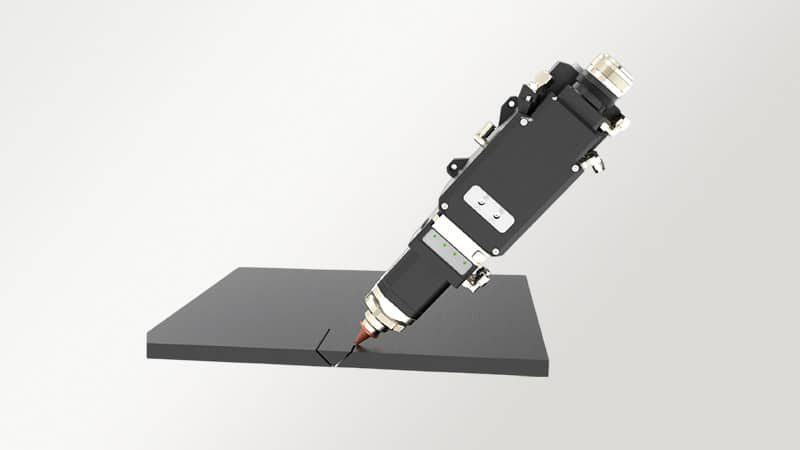
Uses a focused laser beam to melt and cut titanium |
Uses a plasma arc to melt conductive metal |
Uses high-pressure water and abrasive to erode material |
Uses saws, milling tools, drills, shears, or blades |
| Material Suitability |
Suitable for titanium sheets, plates, and precision parts |
Can cut titanium, but quality control is harder |
Suitable for titanium and many other materials |
Suitable, but titanium is difficult to machine |
| Cutting Precision |
High precision for complex titanium parts |
Medium precision |
High precision, but slower |
Medium precision, depends on tooling and setup |
| Edge Quality |
Clean edges with minimal burrs when parameters are optimized |
Rougher edges with more dross |
Smooth, cold-cut edges |
May leave burrs, tool marks, or chatter marks |
| Heat-Affected Zone |
Small heat-affected zone with proper process control |
Larger heat-affected zone |
No heat-affected zone |
Minimal heat, but tool friction may generate heat |
| Oxidation Risk |
Requires proper assist gas to reduce oxidation |
Higher risk of oxidation and discoloration |
No thermal oxidation |
Possible surface discoloration from friction heat |
| Cutting Speed |
Fast for thin and medium titanium sheets |
Fast for rough cutting |
Slower than laser and plasma |
Moderate, often slow for complex shapes |
| Thin Sheet Performance |
Excellent for thin titanium sheets and fine contours |
May cause warping or rough edges |
Good, but less efficient |
Possible, but thin sheets may deform under force |
| Thick Plate Performance |
Requires suitable laser power and stable parameters |
Can cut thick titanium, but edge quality may vary |
Good for thick titanium plates |
Limited by tool wear, force, and machine rigidity |
| Kerf Width |
Narrow kerf, saving expensive titanium material |
Wider kerf |
Medium kerf |
Usually wider than laser cutting |
| Material Waste |
Low waste due to narrow cutting path |
Higher waste than laser |
Moderate waste from kerf and abrasive use |
Higher waste from chips and tool path |
| Burr Formation |
Minimal burrs with proper settings |
More dross and edge cleanup needed |
Minimal burrs |
Burrs are common |
| Thermal Deformation |
Low with optimized parameters |
Higher risk due to heat input |
No thermal deformation |
Possible bending or stress from cutting force |
| Surface Finish |
Maintains a clean, accurate titanium surface |
May cause rough edges and heat discoloration |
Preserves original surface well |
May scratch, mark, or harden the edge |
| Secondary Processing |
Often little deburring or polishing needed |
Often requires grinding and oxide removal |
Usually little secondary processing |
Often requires deburring, polishing, or edge finishing |
| Complex Shape Cutting |
Excellent for holes, slots, curves, medical parts, and aerospace profiles |
Good for simple and medium-complex shapes |
Good for complex shapes, but slower |
Limited for intricate designs |
| Automation Capability |
Highly suitable for CNC automation and repeatable batch production |
Suitable for CNC cutting |
Suitable for CNC cutting |
Automation possible, but tool changes may be needed |
| Tool Wear |
No physical cutting tool contacts the titanium |
Electrode and nozzle wear |
Nozzle wear and abrasive consumption |
High tool wear because titanium is difficult to machine |
| Best Use Cases |
Aerospace parts, medical implants, marine parts, chemical equipment, precision titanium components |
Rough cutting of conductive titanium plates |
Thick titanium plates or heat-sensitive applications |
Straight cuts, drilling, milling, sawing, and low-volume work |
| Overall Advantage |
Best balance of precision, speed, automation, edge quality, and material savings |
Good for rough cutting where precision is less important |
Best when cold cutting and no heat effect are required |
Good for simple shapes but less efficient for complex titanium cutting |


















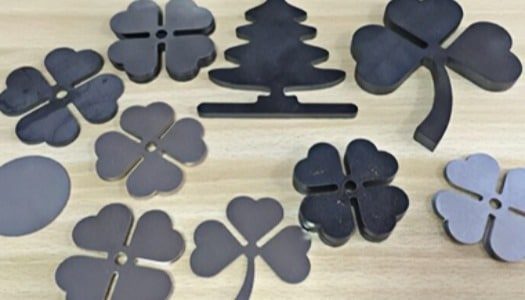
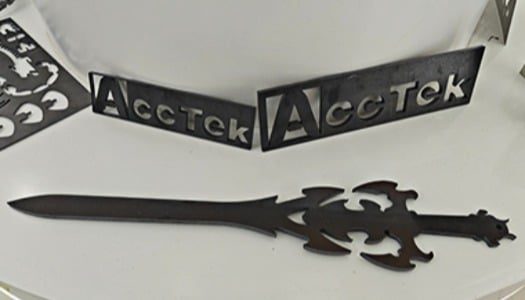


4 reviews for Titanium Laser Cutting Machine
Michael –
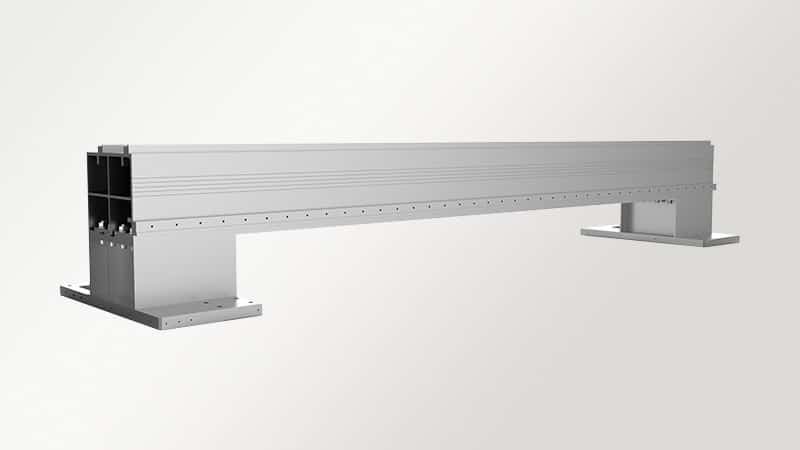
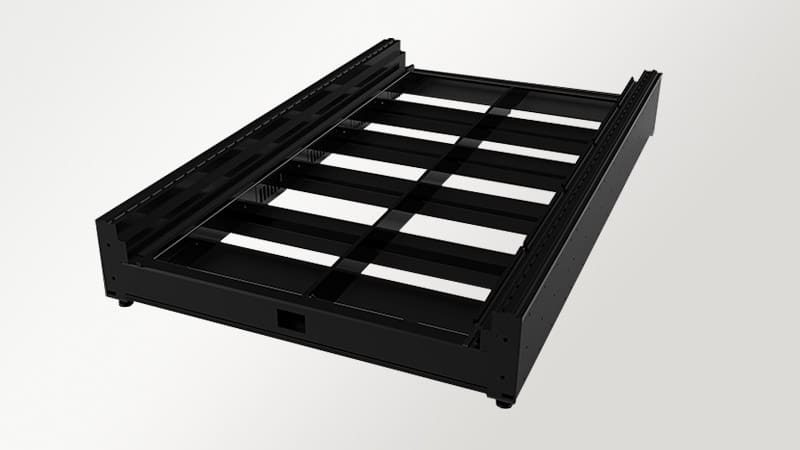
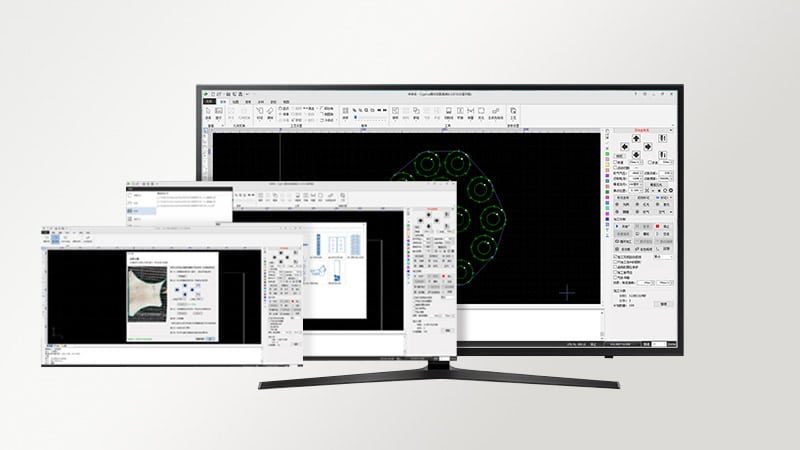
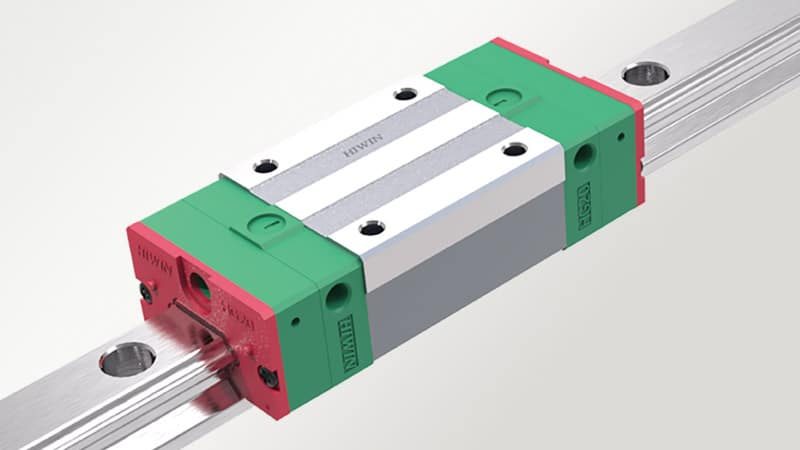
This machine has helped improve efficiency in our fabrication shop. The cutting speed is faster compared to our previous equipment, and the results are more consistent. The aluminum beam design allows quick movement without affecting accuracy. The machine remains stable during operation, thanks to its solid base. The control system is easy for operators to learn, which reduces training time. It also performs well during continuous use without unexpected downtime. Overall, it’s a dependable machine that supports both productivity and quality in our daily operations.
Emily –
This machine has made my work more efficient and predictable. It runs consistently, which helps us maintain a steady production pace. The cutting quality is reliable, and we rarely need to redo parts. The system is easy to operate, and I was able to learn it quickly. It also handles different materials without much adjustment. The machine stays stable during operation, even at higher speeds. Overall, it’s a dependable solution that supports our production goals.
Abigail –
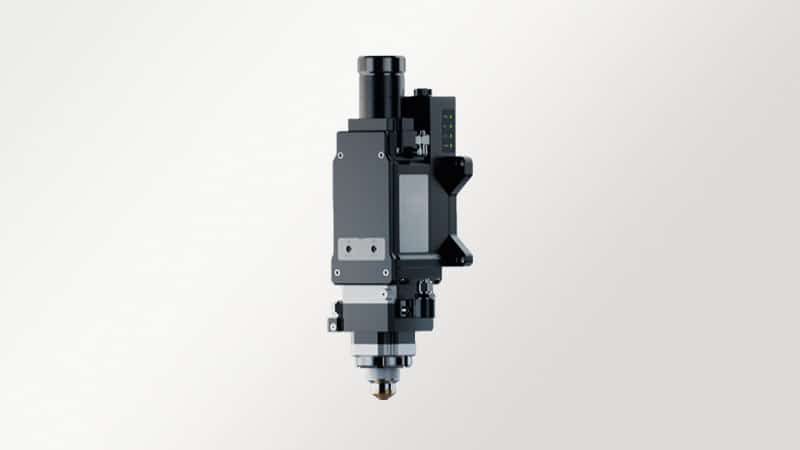
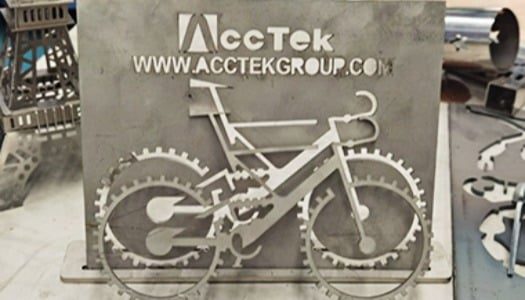
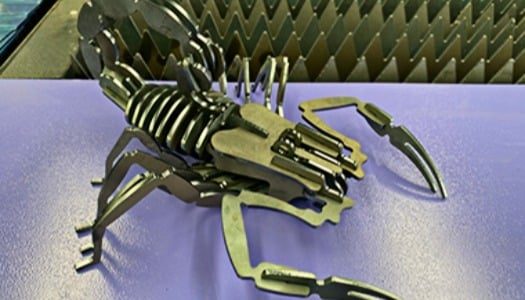
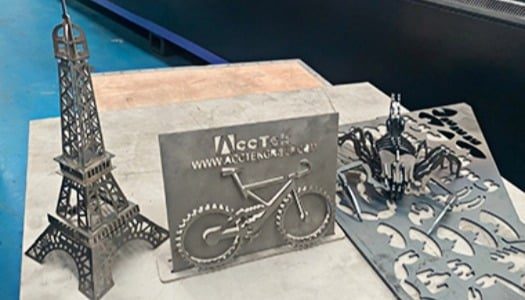
As a designer, I need a machine that can handle detailed work, and this one performs well in that area. The cuts are precise, and the edges are smooth, even on thin materials. The laser head maintains good focus, which helps avoid defects. I also appreciate how easy it is to adjust parameters when switching designs. The machine runs quietly and feels stable during operation. It produces consistent results, which is important for design work. Overall, it’s a useful tool that supports both creativity and accuracy in my projects.
William –
I’ve been operating this machine in our plant for a few months, and it has been reliable so far. The controls are simple, and I can set up jobs without much difficulty. It runs smoothly, and there’s very little vibration during cutting. The results are consistent, and the edges are clean. It also handles long shifts without any problems. Maintenance has been minimal, which helps reduce downtime. Overall, it’s a solid machine that performs well in a busy production environment.