

















Introduction
Types of Fiber Laser Cutting Machines


Fiber Laser Cutting Power Selection
Fiber Laser Cutting Materials
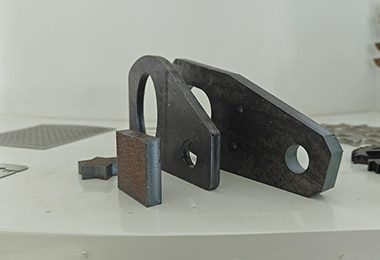
- Carbon Steel
- Mild Steel
- Low Alloy Steel
- High Alloy Steel
- Ferritic Stainless Steel
- Austenitic Stainless Steel
- Martensitic Stainless Steel
- Duplex Stainless Steel
- Super Duplex Stainless Steel
- Galvanized Steel
- Oxygen-Free Copper
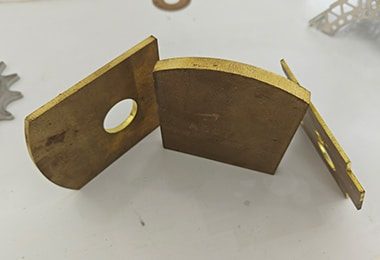
- Brass
- Bronze
- Phosphor Bronze
- Beryllium Copper
- Titanium
- Titanium Alloys
- Nickel
- Nickel Alloys
- Cobalt
- Cobalt Alloys
- Magnesium
- Magnesium Alloys
- Zinc
- Zinc Alloys
- Tungsten
- Molybdenum
- Silver
- Gold
- Platinum
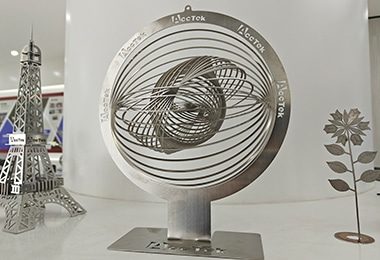
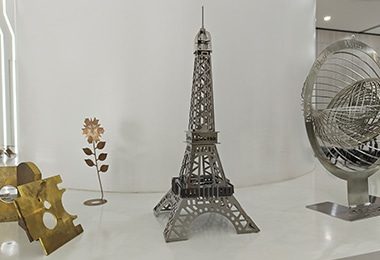
Applications of Fiber Laser Cutting Machines
Comparison with Traditional Cutting
| Comparison Item | Fiber Laser Cutting | Plasma Cutting | Flame Cutting | Waterjet Cutting |
|---|---|---|---|---|
| Kerf Width | Very narrow, precise cuts | Wider than laser, less precise | Wider with rougher edges | Moderate, depends on nozzle size |
| Heat Affected Zone (HAZ) | Minimal, cold processing | Large, can distort material | Large, leads to warping | No HAZ, water cooling |
| Cutting Speed | Fast, especially for thin materials | Fast for thick materials | Slower, particularly for thick metals | Slow, especially for thick materials |
| Precision/Tolerance | High precision, tight tolerances | Moderate precision, larger tolerances | Low precision, requires post-processing | Moderate precision, requires post-processing |
| Operating Cost | Low long-term, minimal consumables | Medium due to gas consumption | Higher due to gas and oxygen use | High due to water and abrasives |
| Material Versatility | Works on metals, plastics, and more | Best for thicker metals | Works best on ferrous metals | Works on metals, glass, ceramics, and composites |
| Post-processing Requirements | Minimal, clean cuts | Requires deburring and finishing | Requires finishing and cleaning | Minimal, smooth finish |
| Material Thickness | Ideal for thin to medium thicknesses | Best for thicker materials | Best for thick materials | Works for all thicknesses |
| Edge Quality | Smooth, burr-free edges | Rough edges, often requires cleanup | Rough, requires post-processing | Smooth edges with no thermal effects |
| Power Consumption | Moderate power usage | Higher power usage | Very high power consumption | High power and water usage |
| Setup Time | Quick setup | Moderate setup time | Longer setup time | Long setup time |
| Material Waste | Minimal, efficient cutting | Higher waste compared to laser | Higher waste, rough edges | Minimal waste, precision cutting |
| Cost of Equipment | Higher initial cost | Moderate initial cost | Medium to high initial cost | High initial cost |
| Ease of Automation | Very high, automated systems available | Limited automation options | Limited automation options | High automation potential |
| Noise Level | Low noise | High noise | Very high noise | Moderate noise |
| Material Handling | Easy handling with minimal setup | Requires specialized fixtures | Requires specialized fixtures | Flexible handling, suitable for large materials |
| Material Integrity | Minimal thermal impact, no distortion | Can distort material due to heat | High heat input causes distortion | No heat, material integrity maintained |
| Maintenance Requirements | Low, few moving parts | Moderate maintenance, nozzle wear | Higher maintenance, gas and nozzle wear | Moderate, requires water and abrasive handling |
| Speed for Thin Materials | Very fast | Fast | Moderate | Slow |
Why Choose AccTek Laser
Advanced Laser Technology
AccTek Laser integrates advanced laser technology into its cutting machines to deliver high precision, stable performance, and efficient cutting results. Their systems use reliable laser sources and optimized control systems, ensuring that operators achieve consistent cuts with minimal material waste. This innovation also helps in enhancing material quality while reducing the risk of thermal damage during the cutting process.
Wide Range of Machine Options
AccTek Laser offers a broad selection of laser cutting machines with different power levels and configurations to suit diverse application requirements. Customers can choose from compact, portable systems for small-scale operations to large industrial machines for high-volume cutting tasks. This makes it easy to find the right solution for cutting metal sheets, plastics, ceramics, and more, ensuring versatility for various industries.
High-Quality Components
AccTek Laser machines are built using top-quality components sourced from globally recognized suppliers. This includes durable laser sources, cutting-edge scanning systems, and reliable control electronics. By using premium parts, AccTek Laser enhances machine stability, extends service life, and ensures consistent performance under demanding operating conditions, ultimately reducing maintenance needs.
Customization and Flexible Solutions
AccTek Laser provides flexible customization options to meet specific customer needs. Machine features like laser power, cutting speed, cooling systems, and automation integration can be tailored to suit different production environments and application requirements. This flexibility ensures that customers achieve optimal cutting performance, productivity, and cost-efficiency.
Professional Technical Support
AccTek Laser offers comprehensive technical support throughout the entire purchase and operation process. Their experienced team assists with machine selection, installation, operation training, and troubleshooting. This level of support helps customers seamlessly adapt to laser cutting technology, ensuring smooth operations and quick issue resolution when necessary.
Reliable Global Service
With years of experience serving customers globally, AccTek Laser provides dependable international service and support. They offer detailed documentation, remote assistance, and responsive after-sales service to help customers maintain their machines and minimize downtime. This ensures that customers can continue their operations with minimal disruptions, enhancing long-term productivity and customer satisfaction.
Customer Reviews
Related Resources

What Factors Should Be Considered When Selecting a CO2 Laser Cutting Machine?
This article mainly discusses how to systematically select a CO2 laser cutting machine suitable for your production scenario, based on key factors such as power, configuration, application requirements, and cost.

Are Chinese Laser Cutting Machines Good?
This article mainly teaches you how to choose a suitable Chinese brand laser cutting machine. If you are also thinking of getting one, please read this article patiently; you will

A Comprehensive Guide to Choosing the Right Laser Cutting Machine
This article provides a comprehensive analysis of how to select the most suitable fiber laser cutting machine based on materials, industry, and configuration to improve cutting efficiency, reduce costs, and

How Laser Cutting Improves Overall Efficiency and Productivity in Manufacturing Processes
This article will systematically analyze how laser cutting comprehensively improves the overall efficiency and productivity of manufacturing processes from multiple dimensions, including technology, processes, automation, and quality control.
Frequently Asked Questions
How Much Do Fiber Laser Cutting Machines Cost?
- Entry-Level Fiber Laser Cutting Machines: Basic models with lower power (around 2000W) usually cost between $20,000 and $50,000. These machines are suitable for cutting thin metal sheets such as carbon steel and stainless steel. They are commonly used by small workshops or businesses entering metal fabrication.
- Mid-Range Fiber Laser Cutting Machines: Machines in the 3000W to 6000W range generally cost between $50,000 and $100,000. These systems offer faster cutting speeds, better efficiency, and the ability to handle thicker materials. They are widely used in general manufacturing and metal processing industries.
- High-Power Fiber Laser Cutting Machines: High-power machines (12000W and above) can cost from $80,000 to $300,000 or more. These are designed for heavy-duty industrial applications, capable of cutting thick metals quickly and continuously. They often include advanced features such as automatic focusing, high-speed motion systems, and enhanced cooling.
- Ultra-High-End and Automated Systems: Fully automated production lines with features like automatic loading and unloading, storage systems, and intelligent control software can exceed $500,000. These systems are used in large-scale manufacturing where efficiency and productivity are critical.
- Factors Affecting Price: Several factors influence the final cost, including laser source brand, cutting head quality, machine bed size, and control system. Well-known brands and high-quality components generally increase reliability but also raise the price.
- Additional Costs: Beyond the machine itself, there are other expenses to consider. Installation, training, and setup can add to the initial investment. Ongoing costs include electricity, assist gases (such as nitrogen and oxygen), maintenance, and replacement parts like nozzles and protective lenses.
- Operating Efficiency vs. Cost: While higher-power machines require a larger upfront investment, they often provide faster cutting speeds and higher productivity, which can reduce cost per part over time.
How Does The Power Of Fiber Laser Cutting Machines Affect The Cutting Speed?
- Low Power (1000W): At lower power levels, cutting speed is relatively limited. These machines are suitable for thin metal sheets, where they can still achieve clean cuts at moderate speeds. However, when cutting thicker materials, the speed must be reduced significantly to maintain cut quality and full penetration.
- Moderate Power (1500W–3000W): Increasing power noticeably improves cutting speed. The laser can deliver more energy into the material, allowing faster melting and material removal. This reduces processing time and increases productivity, especially for medium-thickness metals commonly used in manufacturing.
- High Power (4000W–6000W): High-power machines offer a substantial increase in cutting speed, particularly for thicker materials. They can cut through metal more quickly and often in fewer passes. This makes them ideal for industrial environments where high output and efficiency are required.
- Ultra-High Power (6000W+): At very high power levels, cutting speed reaches its maximum potential. Thick materials that would require slow cutting at lower power can be processed much faster. These machines are designed for large-scale production and continuous operation.
- Effect on Thin vs. Thick Materials: Power has a greater impact on cutting speed when processing thicker materials. For thin sheets, increasing power still improves speed, but the difference becomes less significant beyond a certain point, as other factors like machine motion and gas flow become limiting.
- Interaction with Assist Gas: Higher power works together with assist gases such as oxygen or nitrogen. For example, oxygen can enhance cutting speed in carbon steel by supporting combustion, while nitrogen enables fast, clean cuts in stainless steel at higher power levels.
- Cut Quality Considerations: While higher power increases speed, it must be balanced with proper settings. Excessive power can cause rough edges or overheating if not properly controlled.
How To Choose Suitable Fiber Laser Cutting Machines?
- Material Type and Thickness: Start by identifying the metals you will cut, such as carbon steel, stainless steel, aluminum, or brass. Different materials and thicknesses require different power levels. For thin sheets, 1000W–1500W may be sufficient, while thicker metals often require 3000W or higher.
- Laser Power Selection: Power directly affects cutting speed and maximum thickness. Lower power machines are more cost-effective for light-duty work, while higher power machines provide faster processing and the ability to cut thicker materials. Choose a power level that matches your typical workload rather than occasional maximum needs.
- Work Area Size: The machine’s cutting bed should fit your material dimensions. Standard sizes like 4×8 ft or 5×10 ft are common, but larger formats are available for industrial use. A properly sized work area improves efficiency and reduces handling time.
- Cutting Quality and Precision: Look for machines with stable frames, high-quality motion systems, and reliable laser sources. Precision is especially important for industries requiring tight tolerances, such as automotive or electronics manufacturing.
- Laser Source and Components: Choose reputable laser sources, cutting heads, and control systems. High-quality components improve reliability, reduce maintenance, and ensure consistent performance over time.
- Assist Gas System: Fiber lasers rely on gases like oxygen, nitrogen, or air to improve cutting results. Ensure the machine supports the gases you need and has a stable gas control system for consistent quality.
- Automation and Features: Advanced features such as automatic loading/unloading, autofocus cutting heads, and intelligent nesting software can significantly improve productivity, especially for high-volume production.
- Cooling and Electrical Requirements: Ensure the machine has an efficient cooling system and is compatible with your facility’s power supply. Proper infrastructure is essential for stable operation.
- Maintenance and Support: Consider the availability of technical support, spare parts, and training. A reliable supplier can reduce downtime and help maintain long-term performance.
- Budget and Operating Costs: Evaluate not only the purchase price but also ongoing costs such as electricity, gas consumption, and maintenance.
What Auxiliary Equipment And Gases Are Required For Fiber Laser Cutting Machines?
- Air Compressor: An air compressor provides compressed air for pneumatic components and, in some cases, as an assist gas for cutting thin materials. Clean, dry air is essential to prevent contamination and maintain consistent cutting results.
- Gas Supply System: Assist gases are critical in fiber laser cutting. The most commonly used gases include:
- Oxygen: Used mainly for cutting carbon steel. It supports combustion, increasing cutting speed and allowing thicker materials to be processed.
- Nitrogen: Used for stainless steel, aluminum, and other metals where a clean, oxidation-free edge is required. It produces high-quality cuts but typically requires higher pressure.
- Compressed Air: A cost-effective alternative for thin materials, combining oxygen and nitrogen from ambient air. It is suitable for less demanding applications.
- Gas Storage and Control Equipment: Gas cylinders or bulk gas tanks are required to store oxygen and nitrogen. Pressure regulators, valves, and flow control systems ensure stable gas delivery and precise control during cutting.
- Water Chiller: Fiber lasers generate heat during operation, so a water chiller is essential for cooling the laser source and cutting head. Stable temperature control improves performance, extends component life, and prevents overheating.
- Dust Extraction and Filtration System: Cutting metal produces fumes, dust, and fine particles. A dust collector or fume extraction system removes these contaminants, protecting both the operator and the machine while maintaining a clean workspace.
- Voltage Stabilizer: A stable power supply is important for consistent laser performance. Voltage stabilizers or regulators protect the machine from electrical fluctuations that could cause damage or reduce efficiency.
- Control System and Software: The machine requires a reliable control system for managing cutting parameters, motion control, and file processing. Advanced software improves precision, nesting efficiency, and automation.
- Assist Gas Pipeline System: Proper piping and leak-free connections are necessary to deliver gases safely from storage to the cutting head.
- Optional Automation Equipment: For high-volume production, automatic loading and unloading systems, conveyors, or material handling equipment can improve efficiency and reduce manual labor.
What Are The Site And Environment Requirements For Installing Fiber Laser Cutting Machines?
- Stable Electrical Power Supply: Fiber laser cutting machines require a reliable and stable power source. Most industrial fiber laser cutting systems operate with three-phase electrical power, and the voltage must match the machine’s specifications. Unstable power or voltage fluctuations can affect laser performance and damage electronic components. In many workshops, installing a voltage stabilizer or dedicated power line is recommended to ensure consistent machine operation.
- Adequate Installation Space: The installation site should provide enough space for the laser cutting machine as well as for material loading, unloading, and routine maintenance. Operators need clear access around the machine to safely handle metal sheets and inspect components. Additional space is also required for auxiliary equipment such as water chillers, air compressors, gas cylinders, and dust extraction systems.
- Proper Ventilation and Dust Removal: Laser cutting produces smoke, metal dust, and fumes during operation. A proper ventilation or dust extraction system is necessary to remove these particles from the work area. Effective air filtration improves workplace safety and prevents contaminants from affecting machine components.
- Controlled Temperature and Humidity: Fiber laser cutting equipment works best in stable environmental conditions. The recommended operating temperature is usually between 15℃ and 30℃, with moderate humidity levels. Excessive humidity can affect electrical systems, while extreme temperatures may reduce cutting stability and cooling efficiency.
- Stable and Level Floor: The machine should be installed on a flat and solid floor capable of supporting its weight. A stable foundation helps maintain the precision of the machine’s motion system and prevents vibration that could affect cutting accuracy.
- Safe Gas Storage Area: Fiber laser cutting often uses assist gases such as oxygen, nitrogen, or compressed air. Gas cylinders should be stored in a safe and well-ventilated area that meets industrial safety standards.
How To Handle Fumes And Dust During Fiber Laser Cutting?
- Install a Fume Extraction System: A dedicated fume extractor is the most important solution. It captures smoke, metal particles, and harmful gases directly at the source. High-efficiency systems with multi-stage filtration (such as HEPA and activated carbon filters) can remove fine particles and odors before releasing clean air.
- Use a Dust Collection System: Fiber laser cutting of metals generates fine dust and slag particles. A dust collector connected to the cutting table helps capture heavier particles, preventing buildup inside the machine and reducing fire risk.
- Ensure Proper Ventilation: In addition to extraction systems, the workspace should have good general ventilation. This helps dilute any remaining fumes and maintains air quality. Poor ventilation can allow harmful particles to accumulate, posing health risks.
- Maintain Filters Regularly: Filters in extraction and dust collection systems must be cleaned or replaced on schedule. Clogged filters reduce efficiency and allow contaminants to escape into the workspace. Regular maintenance ensures consistent performance.
- Use Enclosed Cutting Areas: Many fiber laser cutting machines include enclosed designs that help contain fumes and dust. When combined with extraction systems, enclosures improve overall safety and reduce operator exposure.
- Optimize Cutting Parameters: Proper laser settings can reduce excessive fume generation. Using the correct power, speed, and assist gas minimizes burning and material vaporization, which in turn reduces smoke and particulate output.
- Select Appropriate Assist Gases: Assist gases such as nitrogen or oxygen, influence fume production. For example, nitrogen can produce cleaner cuts with less oxidation, while oxygen may generate more fumes due to combustion. Choosing the right gas helps control emissions.
- Keep the Work Area Clean: Regularly removing accumulated dust and debris from the machine and surrounding area prevents recirculation of particles and reduces fire hazards.
- Wear Personal Protective Equipment: In situations where ventilation is limited, operators should use respiratory protection such as masks or respirators to reduce inhalation risks.
- Monitor Air Quality: In industrial environments, air quality monitoring systems can help ensure that fume levels remain within safe limits.
What PPE Is Required To Operate Fiber Laser Cutting Machines?
- Laser Safety Goggles: Eye protection is critical. Fiber lasers operate at wavelengths that are invisible but highly dangerous to the eyes. Operators must wear wavelength-specific laser safety goggles designed for fiber lasers to prevent injury from direct or reflected beams.
- Protective Clothing: Operators should wear non-flammable, long-sleeved clothing to protect against sparks, heat, and molten metal particles. Flame-resistant clothing is strongly recommended in metal cutting environments.
- Heat-Resistant Gloves: Cut parts and scrap material can remain extremely hot after processing. Heat-resistant gloves protect against burns when handling finished parts. Cut-resistant gloves may also be used to prevent injury from sharp edges.
- Respiratory Protection: Fiber laser cutting produces metal fumes, fine dust, and potentially harmful particles. While extraction systems are essential, respirators or masks may be required in environments where exposure cannot be fully controlled.
- Safety Shoes: Steel-toe or reinforced safety footwear is important when handling heavy metal sheets or components. It helps prevent injuries from dropped materials or equipment.
- Hearing Protection: Noise from auxiliary systems such as compressors, exhaust units, and motion systems can be significant. Earplugs or earmuffs may be necessary in high-noise environments.
- Face Shield (Optional): In situations where there is a risk of sparks, splatter, or flying debris, a face shield can provide additional protection for the face alongside goggles.
- Hair and Clothing Safety: Long hair should be secured, and loose clothing or accessories should be avoided to prevent entanglement with moving parts.
- Ventilation and Fume Extraction Support: Although not worn, proper ventilation systems are essential and work together with PPE to reduce inhalation risks.
- PPE Maintenance and Training: Operators should be trained to use PPE correctly and inspect it regularly for damage. Worn or ineffective PPE should be replaced promptly.
How To Maintain Fiber Laser Cutting Machines?
- Optics and Protective Lenses: The cutting head contains sensitive optics that must stay clean. Dust, spatter, or residue on the protective lens can reduce beam quality and damage internal components. Inspect lenses daily and clean them with proper wipes and solutions. Replace them if you notice burns, scratches, or reduced cutting performance.
- Laser Source and Cooling System: Fiber lasers rely on stable temperatures to operate efficiently. The chiller unit should be checked regularly for proper water levels, clean filters, and correct temperature settings. Use distilled or recommended coolant to prevent scaling or contamination. Poor cooling can shorten the life of the laser source.
- Assist Gas System: High-pressure gases like nitrogen or oxygen play a key role in cut quality. Check gas lines, valves, and pressure levels frequently. Moisture or impurities in the gas supply can affect cuts and damage internal parts, so ensure filters and dryers are functioning properly.
- Machine Bed and Slats: Metal debris and slag build up on the cutting bed over time. Clean the slats regularly to maintain airflow and prevent material reflection or uneven cutting. Damaged or heavily worn slats should be replaced to avoid affecting precision.
- Linear Guides and Motion System: The movement system, including rails, bearings, and ball screws, needs lubrication and cleaning. Dust and metal particles can cause wear or misalignment. Follow the manufacturer’s lubrication schedule and keep guide rails free of debris.
- Electrical Components and Connections: Inspect cables, connectors, and control panels for wear or loose connections. Fiber laser cutting machines depend on stable electrical input, so check grounding and power supply conditions. Any irregularities should be addressed immediately to avoid downtime.
- Software and Calibration: Keep the machine’s control software updated and periodically check calibration settings. Misalignment or outdated parameters can reduce accuracy and efficiency. Running test cuts helps confirm everything is operating correctly.
- Daily and Preventive Checks: Simple routines make a big difference. Clean the machine surface, remove scrap material, and monitor unusual noises or performance changes. Preventive maintenance reduces the risk of sudden failures and extends the machine’s lifespan.