

















Introduction


Metal Laser Cutting Power Selection
Metal Laser Cutting Materials
- Carbon Steel
- Mild Steel
- Low Alloy Steel
- High Alloy Steel
- Ferritic Stainless Steel
- Austenitic Stainless Steel
- Martensitic Stainless Steel
- Duplex Stainless Steel
- Super Duplex Stainless Steel
- Galvanized Steel
- Oxygen-Free Copper
- Brass
- Bronze
- Phosphor Bronze
- Beryllium Copper
- Titanium
- Titanium Alloys
- Nickel
- Nickel Alloys
- Cobalt
- Cobalt Alloys
- Magnesium
- Magnesium Alloys
- Zinc
- Zinc Alloys
- Tungsten
- Molybdenum
- Silver
- Gold
- Platinum
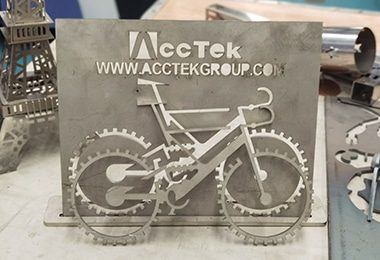
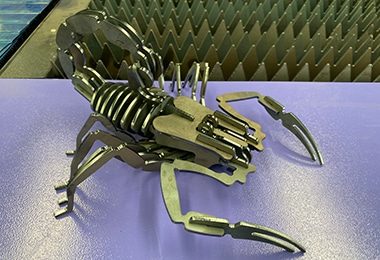
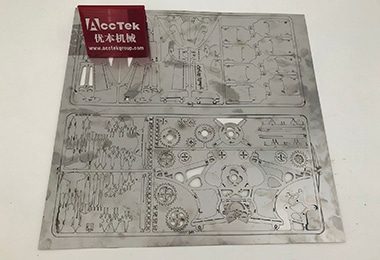
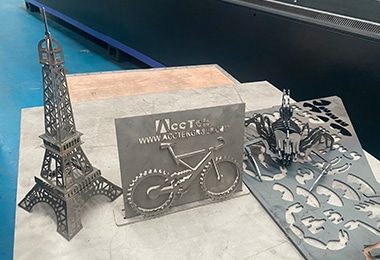
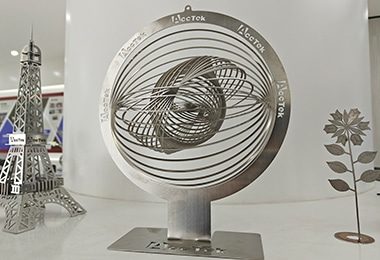
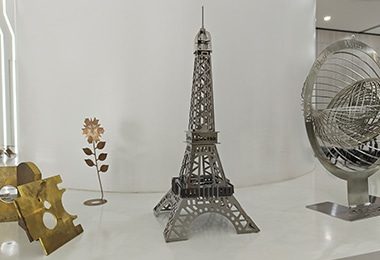
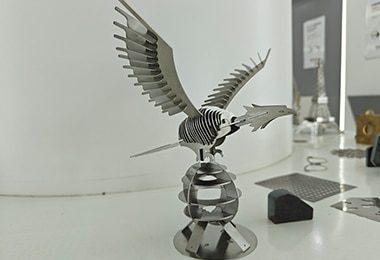
Applications of Metal Laser Cutting Machines

Comparison with Traditional Cutting
| Comparison Item | Laser Cutting | Plasma Cutting | Flame Cutting | Waterjet Cutting |
|---|---|---|---|---|
| Precision/Tolerance | High precision, micron-level accuracy | Moderate precision, larger tolerances | Lower precision, rougher edges | Moderate precision, good for intricate cuts |
| Cutting Speed for Thin Metal | Very fast | Fast | Slow | Moderate |
| Cutting Speed for Thick Metal | Moderate to fast | Very fast | Fast | Slow, especially for thicker materials |
| Heat Affected Zone (HAZ) | Minimal heat-affected zone | Large HAZ, causes material distortion | Large HAZ, causes warping | No HAZ, preserves material integrity |
| Material Utilization (Nesting) | High nesting efficiency, minimal waste | Moderate nesting efficiency, more waste | Moderate nesting efficiency, more waste | High nesting efficiency, minimal waste |
| Operating Costs | Low long-term, minimal consumables | Medium, requires gas and maintenance | Higher due to gas and oxygen consumption | High, requires water and abrasives |
| Post-processing Requirements | Minimal, clean cuts | Requires deburring and finishing | Requires significant finishing | Minimal, clean cuts |
| Edge Quality | Clean, smooth, minimal burrs | Rough edges, requires cleaning | Rough edges, requires cleaning | Smooth edges, minimal burrs |
| Material Compatibility | Works on metals, plastics, and composites | Works primarily on metals | Works primarily on metals | Works on metals, glass, ceramics, and composites |
| Cutting Depth | Ideal for thin to medium thicknesses | Best for thicker materials | Best for thick materials | Works for all thicknesses |
| Speed for Complex Shapes | Excellent for intricate designs | Limited flexibility for complex shapes | Not ideal for intricate cuts | Good for complex shapes, but slower |
| Tool Wear | No tool wear, no replacement parts | Tools wear out, need replacement | Tools wear out, need replacement | No tool wear |
| Material Thickness Range | Works best on thin to medium materials | Works on thick materials | Works on very thick materials | Works on all thicknesses, slow for thicker materials |
| Setup Time | Quick setup, minimal adjustments | Moderate setup time | Longer setup time | Long setup time |
| Energy Consumption | Moderate power usage | High energy consumption | Very high energy consumption | High energy and water usage |
| Environmental Impact | Low environmental impact | Produces fumes, requires ventilation | Produces gases and fumes | Low environmental impact, no harmful emissions |
| Speed for Thin Materials | Very fast | Fast | Moderate | Slow |
| Material Integrity | Minimal thermal distortion, no warping | Risk of material distortion | Heat causes distortion | No heat, material integrity maintained |
| Cost of Equipment | Higher initial cost | Medium initial cost | Medium to high initial cost | High initial cost |
| Safety Considerations | Low risk with proper safety measures | Requires protective gear and ventilation | High risk, requires ventilation and protection | Low risk with water management |
Why Choose AccTek Laser
Advanced Laser Technology
AccTek Laser integrates advanced laser technology into its cutting machines to deliver high precision, stable performance, and efficient cutting results. Their systems use reliable laser sources and optimized control systems, ensuring that operators achieve consistent cuts with minimal material waste. This innovation also helps in enhancing material quality while reducing the risk of thermal damage during the cutting process.
Wide Range of Machine Options
AccTek Laser offers a broad selection of laser cutting machines with different power levels and configurations to suit diverse application requirements. Customers can choose from compact, portable systems for small-scale operations to large industrial machines for high-volume cutting tasks. This makes it easy to find the right solution for cutting metal sheets, plastics, ceramics, and more, ensuring versatility for various industries.
High-Quality Components
AccTek Laser machines are built using top-quality components sourced from globally recognized suppliers. This includes durable laser sources, cutting-edge scanning systems, and reliable control electronics. By using premium parts, AccTek Laser enhances machine stability, extends service life, and ensures consistent performance under demanding operating conditions, ultimately reducing maintenance needs.
Customization and Flexible Solutions
AccTek Laser provides flexible customization options to meet specific customer needs. Machine features like laser power, cutting speed, cooling systems, and automation integration can be tailored to suit different production environments and application requirements. This flexibility ensures that customers achieve optimal cutting performance, productivity, and cost-efficiency.
Professional Technical Support
AccTek Laser offers comprehensive technical support throughout the entire purchase and operation process. Their experienced team assists with machine selection, installation, operation training, and troubleshooting. This level of support helps customers seamlessly adapt to laser cutting technology, ensuring smooth operations and quick issue resolution when necessary.
Reliable Global Service
With years of experience serving customers globally, AccTek Laser provides dependable international service and support. They offer detailed documentation, remote assistance, and responsive after-sales service to help customers maintain their machines and minimize downtime. This ensures that customers can continue their operations with minimal disruptions, enhancing long-term productivity and customer satisfaction.
Customer Reviews
Related Resources

What Factors Should Be Considered When Selecting a CO2 Laser Cutting Machine?
This article mainly discusses how to systematically select a CO2 laser cutting machine suitable for your production scenario, based on key factors such as power, configuration, application requirements, and cost.

Are Chinese Laser Cutting Machines Good?
This article mainly teaches you how to choose a suitable Chinese brand laser cutting machine. If you are also thinking of getting one, please read this article patiently; you will

A Comprehensive Guide to Choosing the Right Laser Cutting Machine
This article provides a comprehensive analysis of how to select the most suitable fiber laser cutting machine based on materials, industry, and configuration to improve cutting efficiency, reduce costs, and

How Laser Cutting Improves Overall Efficiency and Productivity in Manufacturing Processes
This article will systematically analyze how laser cutting comprehensively improves the overall efficiency and productivity of manufacturing processes from multiple dimensions, including technology, processes, automation, and quality control.
Frequently Asked Questions
Can Metal Laser Cutting Machines Cut Highly Reflective Materials?
- Challenges of Reflective Materials: Metals such as aluminum, brass, and copper reflect a significant portion of the laser beam. This reflection can reduce cutting efficiency and, in some cases, damage the laser source or optical components if not properly controlled.
- Fiber Laser Advantage: Modern fiber laser cutting machines are specifically designed to handle reflective materials. Compared to CO2 lasers, fiber lasers have shorter wavelengths that are better absorbed by metals, making them more effective and safer for cutting reflective surfaces.
- Improved Laser Source Technology: Advanced fiber laser sources include anti-reflection protection systems. These features detect and manage back-reflected light, preventing damage to the laser and ensuring stable operation.
- Material Thickness Considerations: Thin reflective metals are generally easier to cut than thick ones. As thickness increases, more power and precise parameter control are required to maintain cut quality.
- Surface Condition Matters: Reflectivity can vary depending on the material’s surface. Polished surfaces reflect more energy, while oxidized or coated surfaces absorb more laser energy, improving cutting performance.
- Assist Gas Selection: The use of assist gases such as nitrogen or oxygen plays an important role. Nitrogen is commonly used for cutting stainless steel and aluminum to produce clean, oxidation-free edges, while oxygen can improve cutting efficiency for certain materials.
- Parameter Optimization: Proper adjustment of laser power, speed, focus position, and gas pressure is essential. Incorrect settings can lead to poor cuts, excessive reflection, or material damage.
- Protective Measures: High-quality cutting heads, protective lenses, and stable machine design help reduce risks associated with reflective materials. Regular maintenance also ensures consistent performance.
- Limitations: While fiber lasers handle reflective metals well, extremely thick or highly polished materials may still pose challenges and require higher power or specialized configurations.
How To Choose Suitable Metal Laser Cutting Machine Powers?
- Match Power to Material Thickness: The most important factor is the thickness of the metal you plan to cut. Low power (1000W–1500W) is suitable for thin sheets, such as carbon steel up to about 10–12 mm and stainless steel up to 5–6 mm. For thicker materials, higher power is required to maintain cut quality and efficiency.
- Consider Material Type: Different metals require different energy levels. Carbon steel is easier to cut and can handle greater thickness at lower power, especially with oxygen assist gas. Stainless steel and aluminum require higher power due to their reflectivity and thermal properties.
- Mid-Range Power for Versatility: Machines in the 2000W–3000W range offer a good balance. They can cut a wide range of thicknesses (e.g., carbon steel up to 16–20 mm) and are suitable for general manufacturing where flexibility is needed.
- High Power for Heavy-Duty Production: For thick plates and high-volume production, 4000W–6000W or higher is recommended. These machines provide faster cutting speeds, better edge quality on thick materials, and improved productivity.
- Cutting Speed Requirements: Higher power increases cutting speed, especially on medium and thick materials. If your production requires high throughput, investing in higher power can significantly improve efficiency.
- Balance Cost and Efficiency: Higher power machines have higher initial costs and operating expenses. It is important to choose a power level that meets your daily production needs without overinvesting in unused capacity.
- Assist Gas Considerations: The type of gas used (oxygen, nitrogen, or air) also affects power requirements. Nitrogen cutting, often used for clean edges, typically requires higher power.
- Future Expansion: Consider potential future needs. Choosing slightly higher power than your current requirement can provide flexibility as production demands grow.
- Machine Stability and Quality: Power alone is not enough. Ensure the machine has a stable structure, high-quality components, and reliable control systems to fully utilize the selected power.
How Much Do Metal Laser Cutting Machines Cost?
- Entry-Level Machines (1000W–2000W): Basic fiber laser cutting machines typically cost between $20,000 and $50,000. These machines are suitable for cutting thin metal sheets such as carbon steel and stainless steel. They are commonly used by small workshops or businesses entering metal fabrication.
- Mid-Range Machines (3000W–6000W): Machines in this category generally cost between $50,000 and $100,000. They offer higher cutting speeds, improved performance, and the ability to handle thicker materials. This range is widely used in general manufacturing and medium-scale production.
- High-Power Machines (12000W–20000W): These machines typically cost between $80,000 and $150,000. They are designed for heavy-duty applications, capable of cutting thicker metal plates with high efficiency and precision. They are commonly used in industrial production environments.
- Ultra-High Power Machines (30000W+): Advanced systems can cost from $150,000 to $500,000 or more. These machines are used for large-scale industrial operations and can handle very thick materials with high productivity.
- Automation and Advanced Features: Machines equipped with exchange tables, automatic loading and unloading systems, and intelligent control software can significantly increase the price. Fully automated production lines may exceed $1 million, depending on complexity.
- Machine Size and Work Area: Larger machines designed for full-size metal sheets (such as 4×8 ft or 5×10 ft) cost more than smaller models. Custom configurations and extended work areas also increase the price.
- Additional Costs: Buyers should consider installation, operator training, and facility setup. Ongoing costs include electricity, assist gases (oxygen or nitrogen), maintenance, and consumables like nozzles and protective lenses.
- Brand and Component Quality: Machines with high-quality laser sources, cutting heads, and control systems from reputable manufacturers tend to cost more but offer better reliability and longer service life.
What Auxiliary Equipment Are Needed For Metal Laser Cutting Machines?
- Cooling System (Water Chiller): Fiber laser sources generate heat during operation. A water chiller maintains a stable temperature for the laser source and cutting head, preventing overheating and ensuring consistent performance.
- Assist Gas Supply System: Gases such as oxygen, nitrogen, and compressed air are used to improve cutting efficiency and quality. This system includes gas cylinders or a bulk gas supply, pressure regulators, pipelines, and flow control devices.
- Air Compressor: An air compressor provides compressed air for cutting and for auxiliary functions such as cleaning and pneumatic components. In some cases, compressed air can also be used as a cost-effective assist gas.
- Fume Extraction and Dust Collection System: Laser cutting produces smoke, fumes, and fine particles. A fume extraction system removes these contaminants, improving air quality and protecting both the operator and the machine.
- Voltage Stabilizer and Power Supply System: Stable electrical power is critical for laser cutting machines. Voltage stabilizers protect the machine from power fluctuations and ensure consistent operation.
- Gas Control and Distribution System: This includes valves, sensors, and monitoring devices to regulate gas pressure and flow. Proper gas control ensures stable cutting conditions and prevents safety issues.
- Lubrication System: Automatic or manual lubrication systems are used to maintain guide rails, bearings, and other moving parts. Proper lubrication reduces wear and extends machine life.
- Material Handling Equipment: Devices such as loading tables, conveyors, or automated loading and unloading systems improve efficiency and reduce manual labor, especially in high-volume production.
- Air Filtration System: Clean, dry air is important for protecting internal components. Air dryers and filters remove moisture and impurities from compressed air systems.
- Control and Monitoring Systems: Software and sensors monitor machine status, temperature, gas pressure, and cutting conditions. These systems help maintain stability and detect issues early.
- Safety Equipment: Fire extinguishers, alarms, and protective enclosures are often integrated or required to ensure safe operation.
How To Reduce Material Waste With Metal Laser Cutting Machines?
- Optimize Nesting Layouts: Efficient nesting is the most effective way to reduce waste. Advanced nesting software arranges parts tightly on metal sheets, minimizing unused space. Features like automatic rotation and part grouping improve overall material usage.
- Use Common-Line Cutting: This technique allows adjacent parts to share cutting edges, reducing kerf loss and cutting time. It is especially useful in batch production with repetitive shapes.
- Minimize Kerf Width: The laser removes a small amount of material during cutting. By optimizing focus, power, and speed, the kerf can be reduced, allowing parts to be placed closer together and saving material over time.
- Select Proper Sheet Sizes: Choosing sheet dimensions that match your production needs helps reduce leftover scrap. Planning jobs around standard sheet sizes improves efficiency.
- Reuse Offcuts and Remnants: Keep and organize leftover material for future use. Smaller parts can often be cut from previously unused sections, reducing overall material consumption.
- Optimize Cutting Parameters: Incorrect settings can lead to defects such as incomplete cuts, burn marks, or deformation, resulting in scrap. Proper parameter testing before production helps avoid waste.
- Control Heat Input: Excessive heat can warp thin metal sheets, making them unusable. Adjusting power, speed, and assist gas helps maintain material integrity and reduce rejection rates.
- Maintain Machine Accuracy: Regular calibration and maintenance ensure precise cutting. Misalignment or worn components can cause dimensional errors and wasted parts.
- Plan Cutting Sequence: Cutting inner features before outer contours helps maintain part stability and prevents movement that could lead to errors.
- Train Operators: Skilled operators can optimize layouts, adjust parameters, and identify issues early. Proper training reduces mistakes that result in material loss.
- Use Simulation Tools: Many systems offer simulation features to verify cutting paths before execution. This helps detect potential issues and prevents costly errors.
What Is The Lifespan of Metal Laser Cutting Machines?
- Overall Machine Lifespan: Well-maintained metal laser cutting machines typically last 8–15 years or more. The machine frame and structural components are highly durable and often remain functional for the entire lifespan if properly maintained.
- Laser Source Lifespan: The fiber laser source is a key component, usually rated for 50,000 to 100,000 working hours. Under normal industrial usage, this can translate to several years of continuous operation before noticeable performance decline.
- Cutting Head and Optical Components: Parts such as protective lenses and nozzles are consumables. Their lifespan can range from days to months, depending on usage, material type, and maintenance. Regular replacement is necessary to maintain cutting quality.
- Mechanical Components: Guide rails, gears, motors, and bearings experience wear over time. With proper lubrication and maintenance, these components can last several years, though periodic replacement is expected in high-use environments.
- Cooling System Lifespan: The water chiller and cooling system typically last 5–10 years with proper care. Components such as pumps and filters may need replacement during this period.
- Electrical and Control Systems: Control units, sensors, and wiring are generally reliable but may require occasional maintenance or upgrades. Keeping systems clean and stable helps extend their service life.
- Impact of Maintenance: Regular maintenance significantly extends machine lifespan. Cleaning optics, checking alignment, maintaining gas systems, and ensuring proper lubrication all contribute to long-term reliability.
- Operating Environment: Stable power supply, proper ventilation, and controlled temperature and humidity help prevent premature wear and system failures.
- Usage Intensity: Machines used in continuous, high-volume production will experience faster wear compared to those used intermittently, making maintenance even more critical.
- Software and Upgrades: Updating control software and replacing outdated components can extend the functional life of the machine and improve performance.
What Training Is Required To Operate Metal Laser Cutting Machines?
- Laser Safety Training: Operators must understand hazards such as laser radiation, reflections, and fire risks. Training includes proper use of protective equipment, safe working distances, and emergency procedures to prevent injury.
- Machine Operation Basics: Users need to learn how to start, configure, and shut down the machine correctly. This includes understanding the control system, setting parameters such as power, speed, and focus, and selecting appropriate cutting modes.
- Material Knowledge: Different metals, such as carbon steel, stainless steel, and aluminum, behave differently during cutting. Operators must understand how material type and thickness affect cutting quality, speed, and parameter settings.
- Assist Gas Management: Metal laser cutting relies on gases such as oxygen, nitrogen, or compressed air. Operators must learn how to select the correct gas, adjust pressure, and understand how gas affects cutting results.
- CAD/CAM Software Operation: Operators often use software to prepare cutting files. Training includes design import, layout adjustment, nesting optimization, and setting cutting paths to maximize efficiency and reduce waste.
- Parameter Optimization: Achieving high-quality cuts requires adjusting settings based on material and thickness. Operators must learn how to balance speed, precision, and edge quality through proper parameter selection.
- Maintenance Awareness: Basic maintenance training is important for machine reliability. This includes cleaning lenses, checking nozzles, monitoring the cooling system, and ensuring proper alignment.
- Ventilation and Environmental Safety: Cutting metal produces fumes and fine particles. Operators must understand how to use extraction systems and maintain proper ventilation for a safe working environment.
- Hands-On Practical Training: Practical experience is essential. Operators typically receive on-site training to practice real cutting tasks and learn how to handle different scenarios.
- Troubleshooting Skills: Operators should be able to identify and resolve common issues such as poor cut quality, incomplete cuts, or system alarms.
What PPE Is Required To Operate Metal Laser Cutting Machines?
- Laser Safety Glasses: Specialized laser safety goggles are critical to protect the eyes from direct and reflected laser radiation. The glasses must match the laser wavelength (especially for fiber lasers) to provide effective protection.
- Protective Clothing: Operators should wear flame-resistant or non-flammable clothing. Since laser cutting involves high temperatures and sparks, synthetic fabrics that melt easily should be avoided.
- Cut-Resistant Gloves: Gloves protect hands from sharp metal edges after cutting. Metal sheets and finished parts can have burrs or sharp corners that pose injury risks.
- Heat-Resistant Gloves: When handling recently cut parts, heat-resistant gloves help prevent burns, as metal can remain hot immediately after processing.
- Safety Shoes: Steel-toe or reinforced safety shoes protect against heavy metal sheets or components that may fall during handling or loading.
- Respiratory Protection: Although most systems include fume extraction, additional respiratory protection (such as masks or respirators) may be required in environments with insufficient ventilation or when cutting materials that produce hazardous fumes.
- Hearing Protection: In some industrial environments, especially where compressors or auxiliary equipment are noisy, ear protection such as earplugs or earmuffs may be necessary.
- Face Shields or Safety Helmets: In certain applications, face shields provide additional protection against sparks or debris. Helmets may be required in facilities with overhead handling systems.
- Protective Barriers and Enclosures: While not worn, enclosed machines and protective covers are part of the overall safety system and reduce the need for direct exposure to laser radiation.
- Proper Workwear Practices: Operators should avoid loose clothing, jewelry, or accessories that could get caught in moving parts or interfere with safe operation.
- Training and Compliance: PPE is only effective when used correctly. Operators must be trained to select, wear, and maintain protective equipment properly.