| Cutting Principle |
Uses laser energy to cut both metal and non-metal materials, depending on machine configuration |
Uses a high-temperature plasma arc to cut conductive metals |
Uses a vibrating blade to cut soft or flexible materials |
Uses high-pressure water, sometimes with abrasive, to cut many materials |
| Material Range |
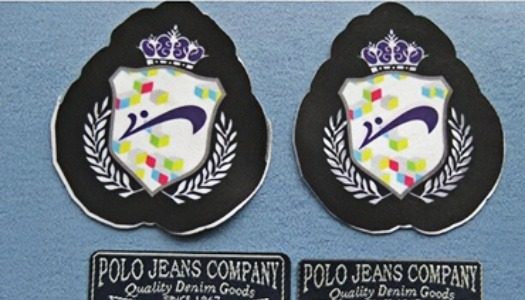
Suitable for selected metals and many non-metals, such as acrylic, wood, fabric, leather, and plastics |
Mainly suitable for conductive metals |
Suitable for soft materials, films, rubber, leather, cardboard, and textiles |
Suitable for metals, stone, glass, plastics, rubber, composites, and thick plates |
| Cutting Accuracy |
High accuracy for detailed patterns and thin to medium materials |
Medium accuracy, especially on thicker metal plates |
Good for simple outlines, but limited for small details |
High accuracy, especially for thick and hard materials |
| Edge Quality |
Clean edges are possible, but quality depends on material type and settings |
Edges may have dross, bevel, and heat marks |
Clean mechanical edges on soft materials |
Smooth edges with little heat effect, but parts may need drying |
| Heat Effect |
Produces heat; some materials may melt, scorch, or discolor |
Strong heat input and a large heat-affected zone |
No thermal damage |
Almost no thermal damage |
| Cutting Speed |
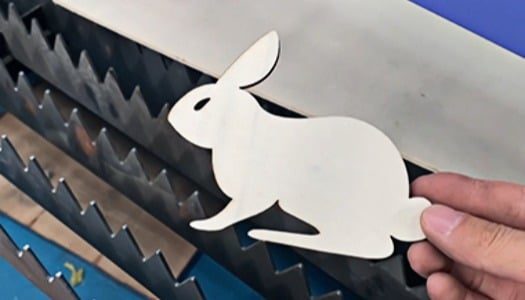
Fast for thin sheets, signs, panels, patterns, and mixed-material jobs |
Very fast for medium and thick metal cutting |
Fast for soft sheet materials and simple shapes |
Slower setup, but stable for thick or hard materials |
| Detail Cutting |
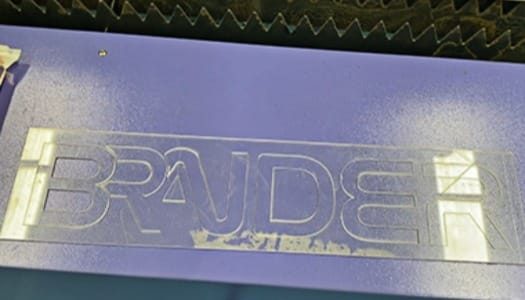
Excellent for small holes, curves, letters, logos, and complex graphics |
Limited for very fine details due to arc width and heat |
Limited by blade size and turning radius |
Good, but very fine details may be affected by waterjet width |
| Kerf Width |
Narrow kerf, suitable for close nesting and fine profiles |
Wider kerf than laser cutting |
Narrow kerf |
Narrow to medium kerf |
| Material Thickness |
Best for thin to medium materials, depending on laser power and material type |
Strong for medium and thick conductive metals |
Best for thin and flexible materials |
Strong for thick plates and dense materials |
| Tool Wear |
No physical cutting tool contacts the workpiece |
Consumables such as electrodes and nozzles wear over time |
Blades wear and need replacement |
Nozzles, seals, pump parts, and abrasive system wear over time |
| Burr Or Dross |
Low burrs on many materials, but melting or slag may occur on some metals |
Dross is common and may require grinding |
Low burrs on soft materials |
Low burrs, but wet edges may need cleaning |
| Material Fixing |
Usually uses worktables, clamps, vacuum support, or honeycomb platforms |
Requires stable metal support and grounding |
Requires flat support, vacuum holding, or conveyor feeding |
Requires water-resistant support and anti-movement control |
| Fume And Dust Control |
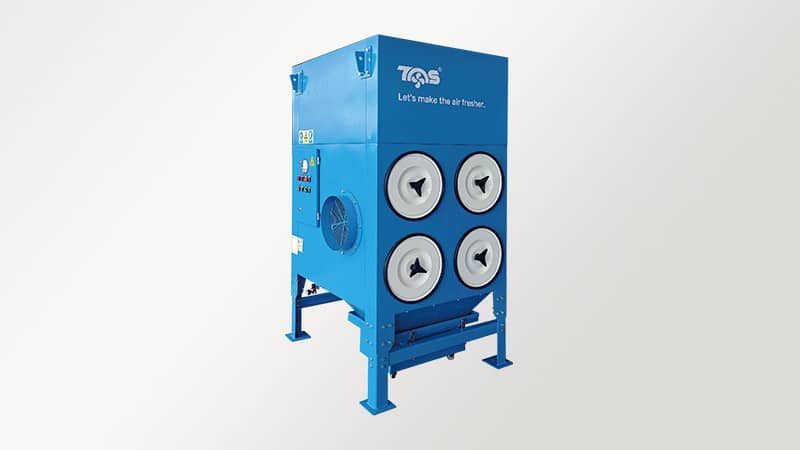
Requires exhaust and filtration for smoke, fumes, and material odors |
Produces metal fumes, sparks, smoke, and dust |
Produces little dust and no heat fumes |
Produces water mist, slurry, and possible abrasive waste |
| Safety Requirements |
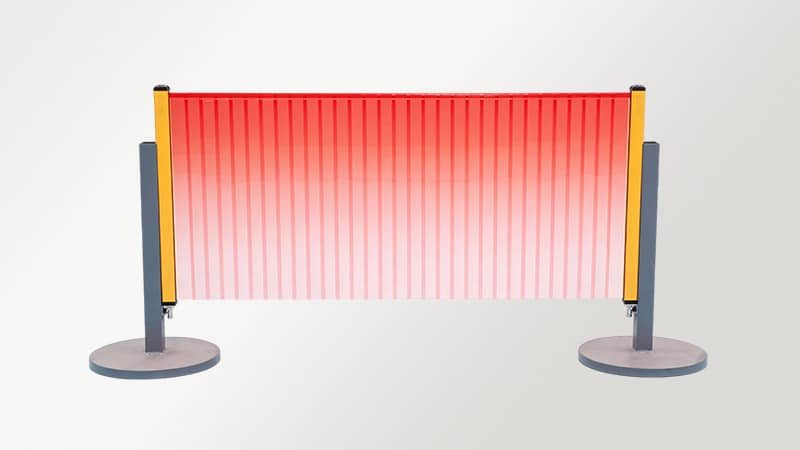
Needs laser protection, ventilation, fire control, and correct material selection |
Needs arc protection, spark control, ventilation, and grounding |
Needs blade safety and material hold-down control |
Needs high-pressure water safety, pump protection, and splash control |
| Setup Time |
Short setup after parameters and design files are prepared |
Moderate setup with grounding, gas, and consumables |
Simple setup for soft sheet cutting |
Longer setup due to water pressure, tank, and abrasive preparation |
| Maintenance Needs |
Laser optics, cooling system, exhaust, filters, and motion parts need regular care |
Torch, nozzle, electrode, gas system, and grounding need care |
Blades, cutting mat, conveyor, and drive system need care |
Pump, nozzle, seals, water system, and abrasive system need care |
| Operating Cost |
Medium cost; no cutting tool wear, but power, gas, cooling, and filtration add cost |
Medium cost due to gas, power, consumables, and post-processing |
Low to medium cost due to blade replacement |
Higher cost due to pump power, water, parts, and abrasive |
| Production Flexibility |
High flexibility for workshops that process both metal and non-metal materials |
Flexible for metal fabrication, but not useful for non-metals |
Flexible for soft materials, but limited for hard materials |
Very flexible across many materials, but setup is more complex |
| Best Applications |
Advertising signs, metal and acrylic parts, wood panels, fabric patterns, leather goods, templates, and mixed-material production |
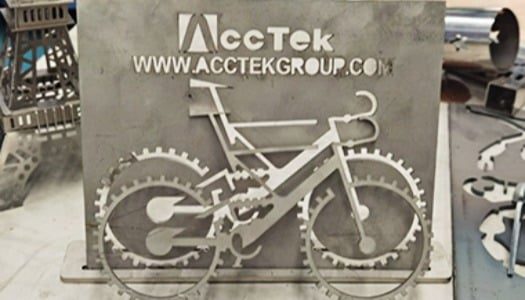
Steel plates, stainless steel, aluminum, metal fabrication, repair, and structural parts |
Packaging, textiles, leather, rubber, foam, gaskets, and soft sheet materials |
Thick metals, stone, glass, composites, plastics, and heat-sensitive materials |
| Main Limitation |
Not every material is safe or suitable for laser cutting, and settings must match each material |
Only cuts conductive metals and often needs edge finishing |
Not suitable for metals, thick hard plastics, or rigid boards |
Higher machine cost, wet processing, slower setup, and wastewater handling |





















4 reviews for Single Beam CO2 And Fiber Laser Cutting Machine
Queenie –
I run a small sign workshop where we work with both metal and non-metal materials, and this laser cutting machine has made things much easier. The machine handles different materials without needing complicated adjustments, which saves time during busy days. The cutting quality is consistent, and the edges come out clean with minimal finishing. The control system is straightforward, so I was able to learn it quickly. I also like how stable the machine feels during operation. It runs smoothly and doesn’t create much noise. It has been reliable for both custom work and small batch production.
Patrick –
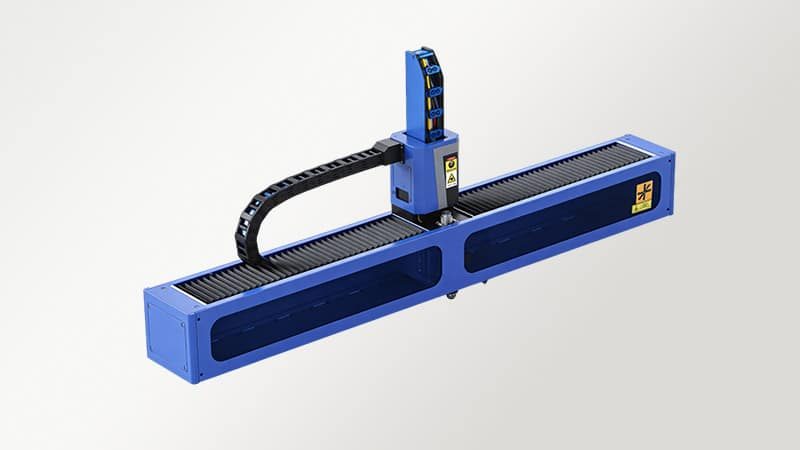
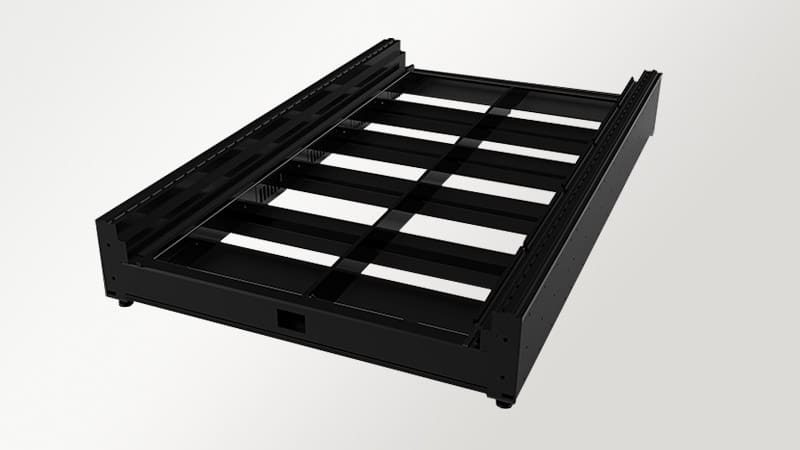
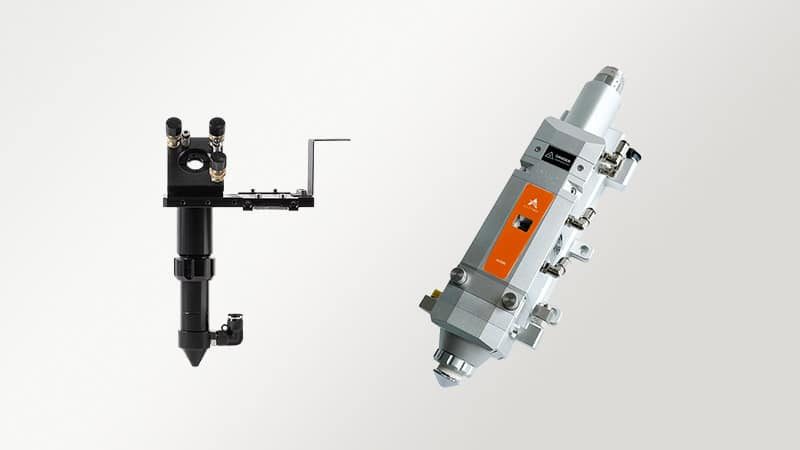
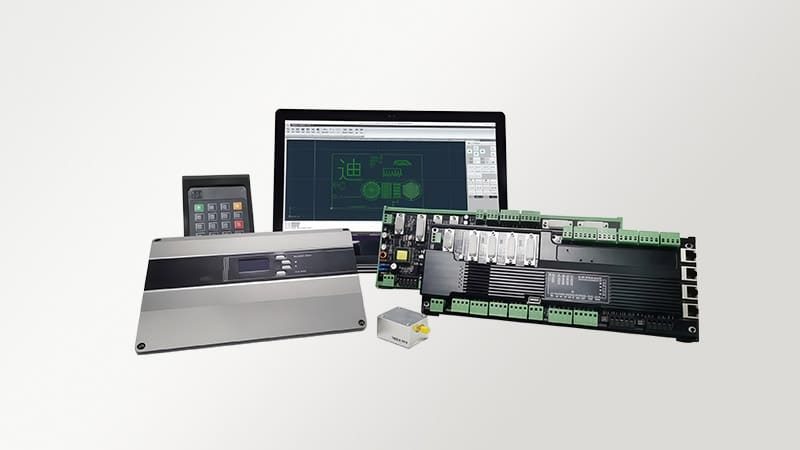
We’ve been using this mixed laser cutting machine in our fabrication shop for several months, and it has performed consistently during daily production. The single-beam design allows faster movement without losing stability, which helps improve overall efficiency. The heavy-duty welding bed keeps the machine stable, even when cutting thicker metal sheets for extended periods. The control system is easy to use, and it helps reduce setup time when switching between jobs. I also noticed the cutting head maintains good accuracy across different materials. Overall, it’s a reliable machine that fits well into our workflow and doesn’t require frequent maintenance.
Selena –
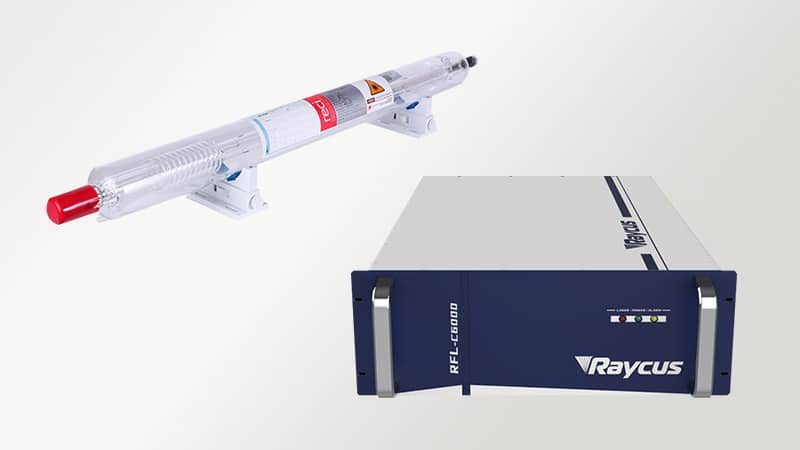
I use this laser cutting machine for developing new product designs, and it has been very helpful in my work. The machine can handle different materials without requiring major adjustments, which saves time during testing. The laser generator provides a stable output, so the results stay consistent across multiple trials. The control system is easy to navigate, and I can quickly change settings when needed. The cutting head produces clean edges, which reduces the need for post-processing. It’s a reliable tool that supports both prototyping and small production runs.
Raymond –
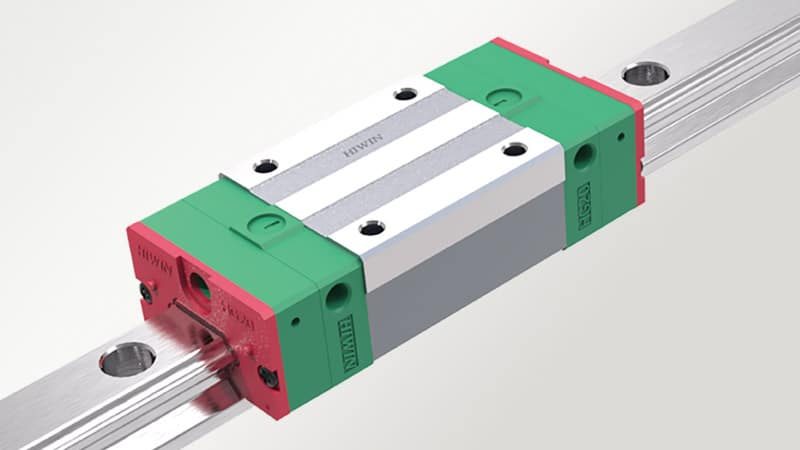
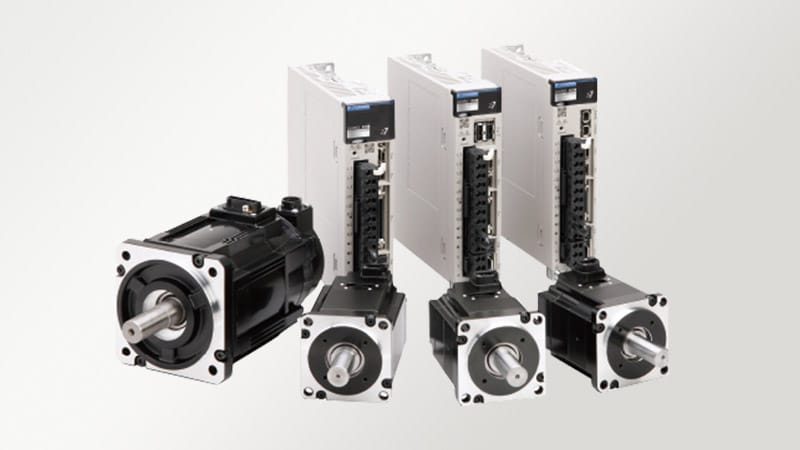
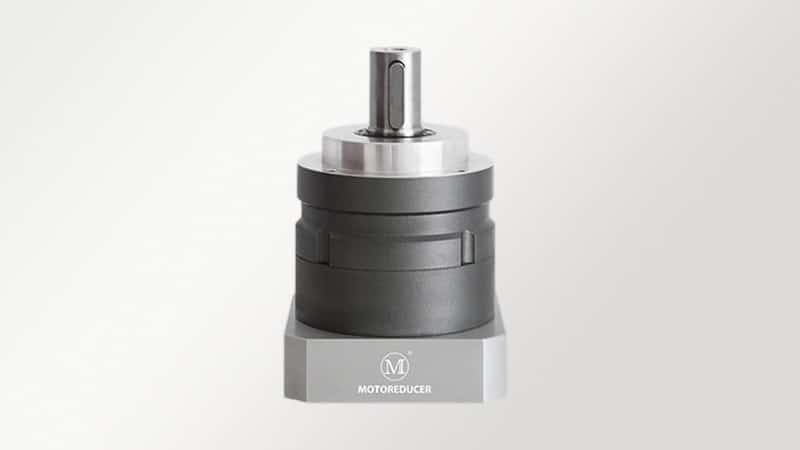
From an operator’s perspective, this machine is easy to handle and performs reliably during long shifts. The servo motor provides accurate positioning, which is important for repeat cutting tasks. The guide rails are smooth, and the machine maintains steady movement without noticeable vibration. The control system responds quickly, and we rarely experience errors during operation. The gear reducer helps keep motion stable, especially when working on thicker materials. It’s a practical machine that fits well into our production line and supports consistent output without needing constant supervision.